
Reviewed · KINTAMANI & VOLCANO TOURS
Kintamani Cultural and Nature Cycling Tour ( Manual Bike )
Downhill bikes beat traffic every time. This Kintamani cultural and nature ride is a simple way to see forests, rice terraces, and real village life with round-trip transport from Ubud and a guide who explains what you’re seeing.
You’re not just coasting for photos; you stop for coffee, temple sights, and home-and-rice-field details along the way. I particularly like the downhill, low-stress route that still feels like you’re doing something active, plus the clear guidance on where to look and what to watch for.
The main consideration is that it’s a manual bike on countryside roads and tracks—so if you’re nervous about controlling the bike on narrow lanes or uneven pavement, you’ll want to go in with confidence. Also, like any day that depends on driving and timing, I’d plan for the occasional hiccup (a late pickup, a bike issue, or slower communication) and keep some buffer in your schedule.
In This Review
- Kintamani Bike Tour: Key Highlights That Matter
- From Ubud Pickup to Kintamani: How the Day Actually Flows
- Choosing a Manual Bike: Comfort, Control, and Safety Reality
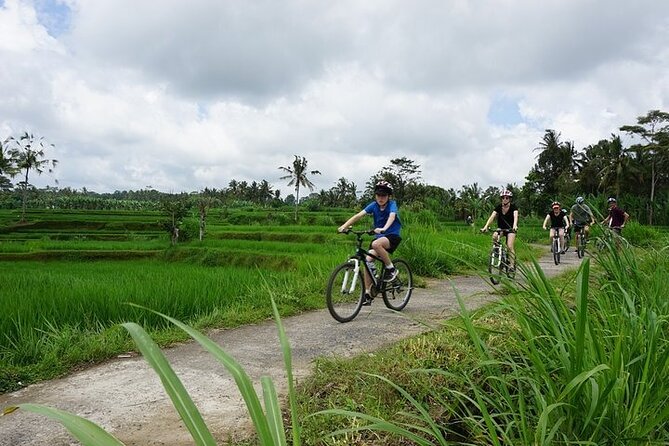
- The Ride Itself: Rice Fields, Villages, and Green Country Roads
- Stop-by-Stop Breakdown: What Each Part Gives You
- Stop 1: Greenbike Adventure Coffee Break
- Stop 2: Tegalalang Rice Terrace Photo Moment
- Stop 3: Starting the Ride in Abuan Kintamani Village
- Stop 4: Abuan Village Home Visit
- Stop 5: Taro Village Coffee + Gunung Raung Temple
- Stop 6: Bresela Rice Field and Irrigation System
- Stop 7: Finish at Hyang Api Temple, Payangan
- Stop 8: Greenkubu Café Lunch + Swing Stop
- Guides and the Two-Bike-Row Safety System
- Value and What You Really Get for $33
- Who This Tour Suits Best
- What Could Go Wrong (and How to Reduce the Odds)
- Should You Book This Kintamani Cultural and Nature Cycling Tour?
- FAQ
- How long is the Kintamani cultural and nature cycling tour?
- Where are you picked up and how do you get back?
- Is the tour difficult?
- What’s included in the price?
- What type of bike do you ride?
- What stops are included during the ride?
- What should I wear or bring?
- Is it suitable for children?
- How big is the group?
- What payment methods are accepted?
Kintamani Bike Tour: Key Highlights That Matter
- Mostly downhill ride means real scenery time, not constant pedaling
- Village stops that connect temple life, food, and day-to-day routines
- Two-guide setup (lead and sweep) helps keep the group together and safer
- Coffee, lunch, and snacks keep the day comfortable and worth the $33 price
- Rice terrace and irrigation insights give context beyond the postcard view
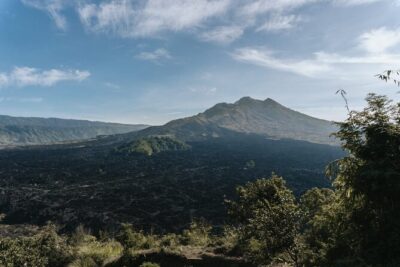
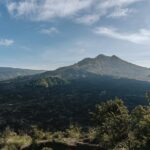
Caldera views over Lake Batur, and how to reach them.
- Highlights of Ubud & Mount Batur Volcano – Private Day Trip★ 5.0 · 274 reviews
- Ubud: Downhill Bike Tour with Rice Fields, Volcano and Meal★ 5.0 · 267 reviews
- Kintamani Cultural and Nature Cycling Tour ( Manual Bike )★ 5.0 · 257 reviews
- Ubud : Kintamani Downhill Cycling Tour with Lunch★ 5.0 · 171 reviews
From Ubud Pickup to Kintamani: How the Day Actually Flows
This tour is built around an easy premise: you start in the Ubud area, get transported to the higher ground near Kintamani, and then ride downhill through the countryside. The result is a day that feels like a full outing (it’s listed as about 7 to 9 hours), but without the grind you’d expect from “cycling through Bali.”
The pickup is offered, and that matters more than you might think. Ubud traffic can chew up a morning fast, and this way you spend your energy on the ride instead of navigating. You also get a guide from start to finish, which helps because the best parts of the route aren’t always obvious if you’re on your own.
Price-wise, $33 per person is the kind of rate that makes this feel like a “real activity,” not just transportation plus a few stops. What helps is that the day isn’t only riding: you get a coffee break, lunch, and snacks, plus guidance during the stops. For many people, that combination is what turns it from a cheap ride into a memorable half-day or full-day experience.
Choosing a Manual Bike: Comfort, Control, and Safety Reality
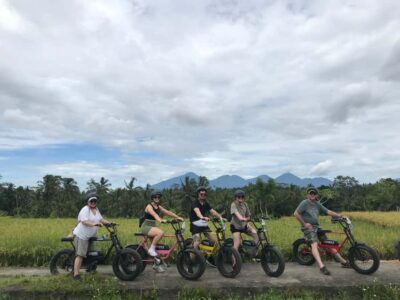
This is a manual bike tour, so you’re not just steering along; you’re also managing gears. Reviews and on-the-ground feedback repeatedly point to the fact that the route is mostly downhill and very manageable. That said, countryside roads aren’t always smooth. You can expect narrow sections and places with bumps or uneven pavement.
Here’s how I’d think about it:
- If you can ride a bike confidently (starting, braking, handling turns), you’re likely to be fine.
- If you’re brand-new to cycling or uncomfortable with gear changes, the tour could feel more stressful than it needs to.
One more practical point: bring sunscreen (advised) and consider bug spray too; that’s specifically mentioned by people who did the ride. Wear walking/sport shoes so your feet are stable when the bike hits rougher bits. A small backpack is also useful for camera/video gear since you’ll want it accessible at stops.
And if you’re traveling with kids: the tour is open to adults and children (ages 6 to 12 count as child). Some groups have mentioned guides taking extra care when children are involved—so if your family includes younger riders, it’s smart to communicate that early.
The Ride Itself: Rice Fields, Villages, and Green Country Roads
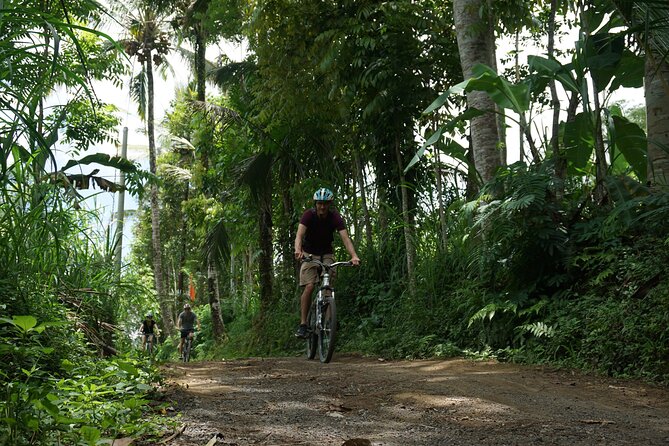
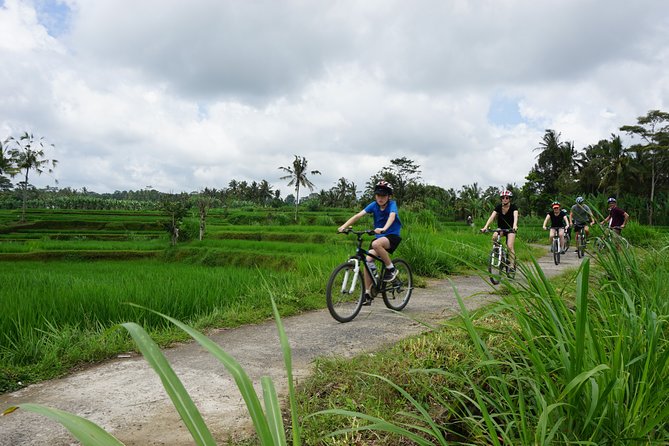
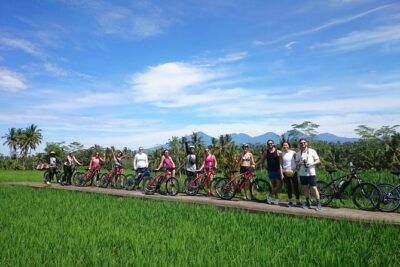
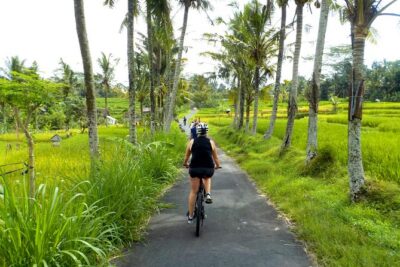
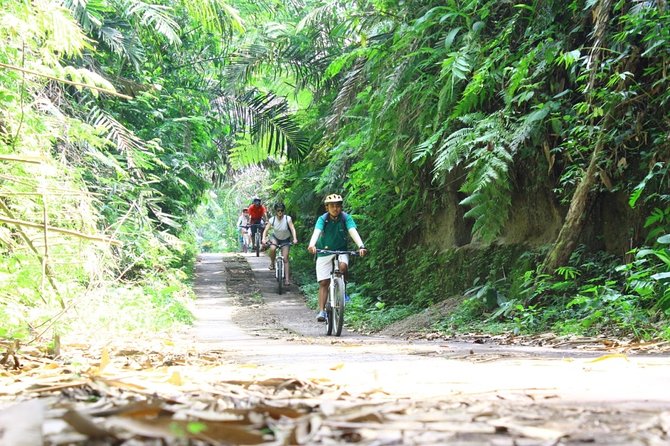
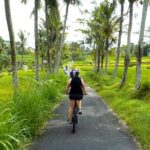
The heart of the day is the ride through areas that feel like you’re moving through everyday Bali rather than moving from one attraction to the next. You’ll pass forests and rice fields, and the route is described as largely away from the main crowd hotspots.
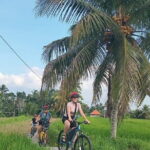
One reason people love this route is that it’s not only downhill in theory—it’s downhill in how it feels. Many comments describe the ride as around 95% downhill, which makes the day feel like a long glide with occasional pedaling when you need it. That also means you can actually look around, not just focus on staying alive on steep terrain.
You’ll also notice that the route isn’t just a straight line. There are moments where you’re directed off the main road to see deeper countryside. That’s a big part of the “authentic side” people mention: you’re not only seeing the famous rice terrace viewpoints. You’re also seeing how irrigation and farming show up in daily life.
The flip side: because this is a countryside route, you should expect irregularities. Narrow lanes and bumpy sections are part of the experience. The guide’s job is to make it feel manageable—pointing out hazards, controlling pace, and keeping the group together.
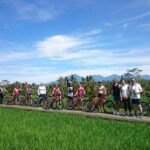
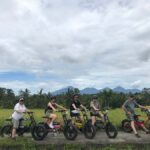
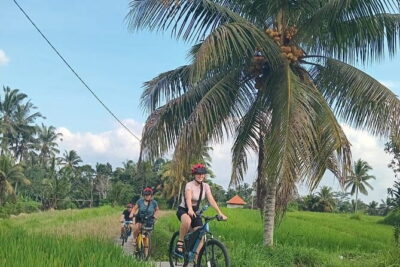
Freewheel down through the paddies on two wheels.
Stop-by-Stop Breakdown: What Each Part Gives You
Stop 1: Greenbike Adventure Coffee Break
Before the cycling starts, the day begins with pickup and a drive up for a coffee break at Greenbike Adventure. This is where you refuel and get your bearings before the descent.
What you’ll get here matters because it sets the tone. People mention coffee with options like pancake or a smoothie bowl, including accommodations for gluten-free requests. It’s a small detail, but it makes the day feel organized rather than improvised.
Practical tip: treat this as your “don’t skip breakfast” moment. Once the ride starts, you’ll be grateful you’ve eaten something that sticks.
Stop 2: Tegalalang Rice Terrace Photo Moment
Next you’ll have a short stop in Tegalalang for pictures of the rice terraces. This one is brief—about 15 minutes—so it’s not a deep exploration.
Still, it’s a useful checkpoint. It gives you that classic terrace look early enough that you can compare it to the quieter rice fields you’ll see later in the day. If your camera is your priority, this quick stop is exactly where you can get your key shots.
Stop 3: Starting the Ride in Abuan Kintamani Village
Then the real riding starts. You begin from Abuan Kintamani village, and this is where the downhill part kicks into gear. You’re leaving higher ground and moving through areas that feel far less tourist-squeezed.
This early stage tends to be about rhythm. You’ll get your spacing, learn where the guide wants you on the road, and settle into what kind of pacing the group will keep.
Stop 4: Abuan Village Home Visit
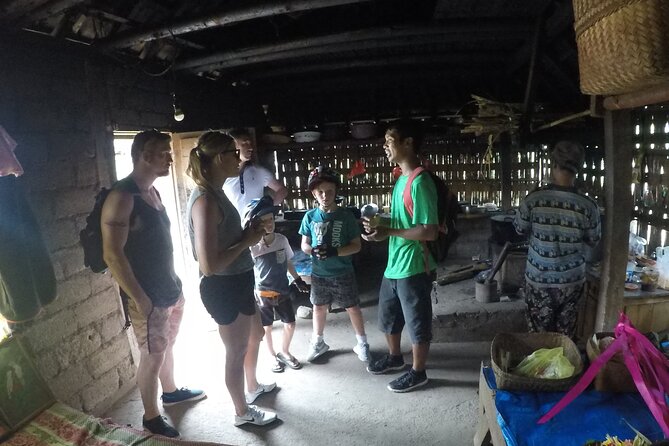
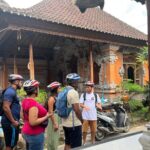
After starting, you stop again for a home visit in Abuan village. This is about seeing how daily life works up close, including how the people you’re riding beside organize everyday routines.
A home stop can be hit-or-miss on tours that only want a photo. Here, the purpose is more cultural: you’re learning what Balinese life looks like beyond the obvious sightseeing stops. You’ll also get a stronger sense of why villages and farming are intertwined—especially when you continue into rice-field segments later.
Stop 5: Taro Village Coffee + Gunung Raung Temple
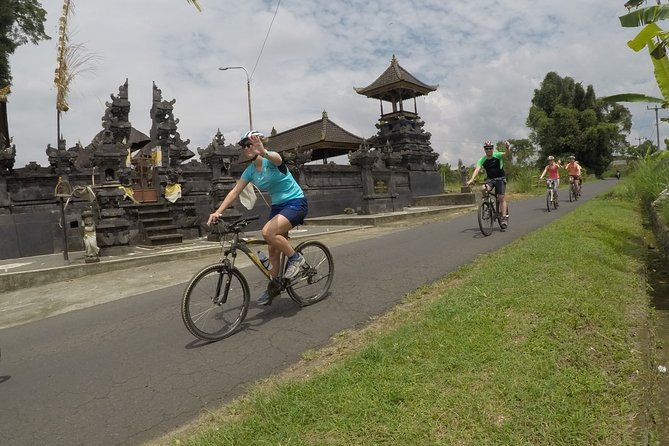
In Taro village, you’ll take another coffee break and also visit Gunung Raung temple, described as one of the most unique temples in Bali. The stop is about 1 hour, which is long enough to actually take in the moment instead of just passing through.
For me, temple stops work best when the guide connects them to everyday behavior—what people do, how they think about the site, and how faith shows up in routine. That’s exactly the kind of context a good guide provides on this route.
If you’re the type who likes architecture and sacred space details, this is a key part of the day. If you’re more interested in nature, it still adds value because it anchors the scenery in something human.
Stop 6: Bresela Rice Field and Irrigation System
Next comes the stop that turns the scenery into a lesson. In Bresela, you’ll stop in the rice fields to see how the irrigation system works.
This is one of those segments that changes how you look at rice terraces. Instead of seeing them as only beauty, you see them as engineering shaped by community needs. It also explains why you’ll notice certain patterns in the fields as you ride.
If you like agriculture, farming logistics, or just how people solve water challenges, this is the stop you’ll remember later.
Stop 7: Finish at Hyang Api Temple, Payangan
Your ride ends at Hyang Api Temple in Payangan. This finish-point stop is about 30 minutes, giving you a final cultural moment before lunch.
Finishing with a temple visit also keeps the day from feeling like a nature-only outing. You get the right balance: scenery plus a human and spiritual context.
Stop 8: Greenkubu Café Lunch + Swing Stop
Finally, you’ll head to Greenkubu café for lunch (about 1 hour). Admission is included for the stop, and it’s also where the day often includes a swing-style photo moment in the café area (since the stop name includes swing).
Lunch is a big part of why the day feels like value. People mention the meal as delicious, and you’ll need the energy because most of the route is active enough to make food taste better.
Guides and the Two-Bike-Row Safety System
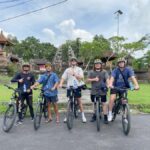
One of the most praised parts of this tour is how guides run the ride. Many groups describe an arrangement with two guides—a lead guide in front and a sweep guide behind. That structure helps with safety and also makes the route easier for beginners who aren’t super comfortable in tight countryside lanes.
You’ll likely get:
- Easy directions and clear pacing
- Guidance on possible hazards on the way
- Attentiveness to the group so nobody gets stuck behind
Guide names that come up in people’s experiences include Gede, Ben, Wayan, Yoga, Madi, Amin, and Gudday. You can’t guarantee a specific person, but what you can take from those names is the theme: guides are doing more than talking while you pedal. They’re actively managing the ride.
Value and What You Really Get for $33
At $33, this tour hits a sweet spot because it includes multiple things at once:
- Transportation from Ubud
- A guided ride
- Coffee, snacks, and lunch
- Planned stops that mix culture with scenery
If you tried to cobble this together yourself—driver, tickets, and guided context—you’d likely spend more just getting from stop to stop. Even if you only care about the ride, the included stops and meals make the price feel fair.
Also, the tour is capped at a maximum of 50 travelers, which is better than open-ended day tours. And because it’s a cycling format, the group tends to feel more connected than a bus day.
Who This Tour Suits Best
This is a great choice if you want:
- A scenic, downhill cycling day without heavy training
- Culture stops that explain life around temples and rice farming
- A guide who can help you handle the route safely
It’s especially good for people who:
- Are already comfortable on a bike
- Want to get out of the crowded feeling around the busiest sights
- Like nature but also want context, not just scenery snapshots
It may be less ideal if you:
- Are very new to cycling or struggling with manual bike gear changes
- Have a tight schedule and can’t handle minor timing issues
- Want everything to be perfectly smooth—because countryside routes are never fully “airport sidewalk” level
What Could Go Wrong (and How to Reduce the Odds)
Most experiences are described as easy, well organized, and friendly. Still, one concern shows up in a smaller number of accounts: timing and bike condition. There’s at least one mention of a late driver, plus a report of bike gears slipping and jamming during the ride.
I can’t promise anything won’t happen on a given day, but you can reduce the risk:
- Ask to check your bike at the start: brakes feel solid, gears shift smoothly.
- Wear shoes with good grip and keep your focus around turns and uneven pavement.
- Don’t schedule a “must be somewhere at exactly X” activity right after the tour ends.
Also, if you’ve booked through a third-party channel, be sure your pickup details are correct. Communication issues are mentioned in at least one account, and it’s easier to prevent headaches than to fix them mid-trip.
Should You Book This Kintamani Cultural and Nature Cycling Tour?
If you like the idea of cycling mostly downhill through rice fields and villages—plus getting coffee and a proper lunch—then yes, I think you should seriously consider booking it. The route is built for people who want a real Bali countryside feel without turning the day into a mountain training session.
Book it if:
- You want an active day that stays manageable
- You value cultural context as much as views
- You’re okay with narrow roads and occasional uneven patches
Skip it if:
- You’re uncomfortable with manual bikes or you’re hoping for a perfectly smooth ride
- You need ultra-straightforward logistics with zero chance of delays
If you go in with realistic expectations and good bike control, you’ll come away with the kind of day that feels both scenic and human—where temples, irrigation, and village life show up naturally along the way.
FAQ
How long is the Kintamani cultural and nature cycling tour?
The tour is listed as about 7 to 9 hours.
Where are you picked up and how do you get back?
Pickup is offered from the Ubud area, and round-trip transport is provided.
Is the tour difficult?
It’s described as an easy, mostly downhill ride, but it is still cycling on countryside paths, so you should be comfortable riding a bike and handling narrow or uneven sections.
What’s included in the price?
You get a guided bike tour with coffee, lunch, and snacks. Admission is included for the Greenbike Adventure coffee break stop and the Greenkubu restaurant/lunch stop.
What type of bike do you ride?
It’s a manual bike tour.
What stops are included during the ride?
You’ll have stops at Greenbike Adventure (coffee), Tegalalang (short photo stop), Kintamani (village start plus a home visit), Taro (coffee and Gunung Raung temple), Bresela (rice fields and irrigation), Payangan (finish at Hyang Api Temple), and Greenkubu café for lunch.
What should I wear or bring?
Walking or sport shoes are recommended. Sunscreen is advised, and a small backpack is useful for carrying your camera or video gear.
Is it suitable for children?
The tour lists an adult age group as over 12 and a child age group from 6 to 12. Kids can participate, and guides are described as attentive to families.
How big is the group?
The tour has a maximum of 50 travelers.
What payment methods are accepted?
You can pay by cash or bank transfer with no charge, or by Visa/Mastercard with a 3% bank fee charge.
More Ubud Tours We Rate


Downhill & E-Bike Rides
Kintamani & the Batur Caldera

Just added around Ubud
- Ubud: White Water Rafting with visit Ubud Monkey Forest
★ 5.0 · 3 reviews - Private Guided Bali Car Charter
★ 5.0 · 3 reviews - East Bali and Lempuyang Temple Tour
★ 5.0 · 3 reviews - Bali Downhill Cycling and White Water Rafting
★ 5.0 · 3 reviews - Cave Tubing Adventure in Ubud
★ 5.0 · 3 reviews
Kintamani & Volcano Tours, compared.
 ★ 5.0Highlights of Ubud & Mount Batur Volcano – Private Day TripFrom $60274 reviews
 ★ 5.0Downhill Bike Tour with Rice Fields, Volcano and MealFrom $33267 reviews
 ★ 5.0Kintamani Downhill Cycling Tour with LunchFrom $29171 reviews
 ★ 4.0Kintamani Lake & Volcano TourFrom $67104 reviews
 ★ 5.0Ubud Volcano Lake and Natural Hot Spring TourFrom $35101 reviews
 ★ 5.0Kintamani Cafe, Waterfall, Temple and Cretya Ubud TourFrom $35100 reviews
 ★ 5.0Sunrise Jeep Tour Mount Batur Kintamani BaliFrom $3224 reviews
 ★ 5.0Sharing Batur Volcano Sunrise Trekking and BreakfastFrom $3920 reviews
Browse the lists this tour appears in