
Reviewed · SPIRITUAL CLEANSING RITUALS
Spiritual Journey with private purification ceremony, local priest – Ubud
Water, temples, and bicycles—odd combo, perfect day. I like that the day is built around a real temple purification with a sarong and towel provided, and I also like the guided bicycle ride with views over the volcano and lake at Kintamani. One consideration: you’ll be outdoors for big chunks, so you really do want good weather.
This is a private full-day format in Ubud (about 8 hours) with hotel pickup and drop-off, plus coffee, lunch, and bottled water. For $120, the value isn’t just the places you visit—it’s that the schedule mixes movement (cycling), ritual (purification), and conversation (priest/healer and local village lunch).
In This Review
- Key highlights at a glance
- A private spiritual day in Ubud that actually feels lived-in
- Morning logistics: start at 7:30 and settle in quickly
- Kintamani bamboo forest cycling: the best kind of off-the-beaten-track morning
- What I like about this cycling setup
- A practical drawback to consider
- Tampaksiring water purification: what you’re doing and why it matters
- How to prepare mentally
- Meeting the local priest/healer after the ritual
- Lunch with a cultural angle comes right after
- Returning toward Ubud: temples, secret spots, and a calmer pace
- What $120 gets you (and why it feels fair)
- Who should book this spiritual purification + cycling day
- Should you book this Ubud purification ceremony and priest visit?
- FAQ
- What time does the tour start?
- How long is the full day experience?
- Is hotel pickup and drop-off included?
- What happens during the purification ceremony?
- Do you meet a local priest or healer?
- Is cycling included, and is it difficult?
- What if the weather is bad?
Key highlights at a glance
- Private, just your group: no joining random strangers for this one.
- River-temple purification: a guided water ritual with sarong and towel included.
- Kintamani cycling: a nearly moderate downhill style ride through villages and rice terraces.
- A priest/healer stop: time to meet a local spiritual practitioner and feel the effects afterward.
- Guides like Eka and Gede: hands-on, kind, and strong at explaining what you’re seeing.
- Lunch in a local village: a meal in an old-village setting, not a generic restaurant stop.
Melukat water blessings and healer visits around Ubud.
- Tirta Empul: Temple Tour with Optional Spiritual Cleansing★ 4.9 · 1,257 reviews
- Ubud: Sacred Monkey Forest Sanctuary Ticket and Guided Tour★ 4.8 · 675 reviews
- Taman Beji Griya Waterfall: Holy Bathing/Soul Retreat Ritual★ 4.8 · 634 reviews
- Ubud Tour – Balinese Healing By Shaman And Self Purification★ 5.0 · 236 reviews
A private spiritual day in Ubud that actually feels lived-in
If you’re coming to Bali for the temples, this tour gives you more than photo stops. The center of the day is a purification ceremony at an ancient Hindu temple, followed by meeting a local priest/healer. That puts the focus on Balinese Hindu practice and daily spiritual life, not just sightseeing checkmarks.
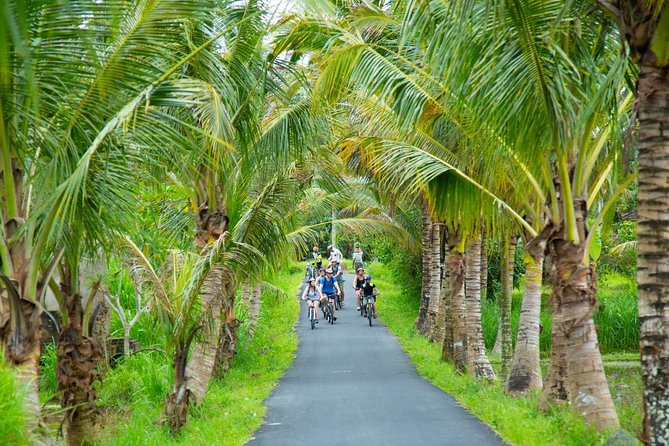
Then there’s the other side of the day: cycling through Kintamani’s bamboo forest area and down through rural scenery with villages, secret temples, and rice terraces along the route. The combo sounds unusual until you realize it matches the rhythm of Bali itself—physical activity in the morning, ritual and reflection mid-day, and a calmer return toward Ubud.
Morning logistics: start at 7:30 and settle in quickly
The tour starts at 7:30 am. You’ll get pickup (and you end with hotel drop-off), which matters because Ubud traffic can mess with plans when you’re trying to be on time for ceremonies and transport between temples.
You also begin with a coffee plantation stop for tasting and a small breakfast. Even if you’re not a serious coffee person, it’s a practical way to start the day with energy before the ride, and it keeps the morning from feeling rushed. Bottled water is included too, which is a small thing that saves you from searching for it once you’re already on the road.
Kintamani bamboo forest cycling: the best kind of off-the-beaten-track morning
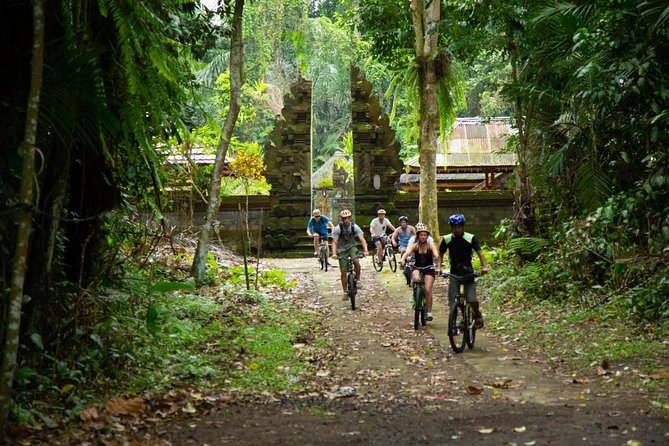
Kintamani is where the day opens up. After pickup, you drive to the area around Kintamani and you’ll get views over the volcano and lake. You also pass through the largest bamboo forest in Bali, which gives the morning a very specific feel: quiet, shady, and different from the busier tourist corridors.
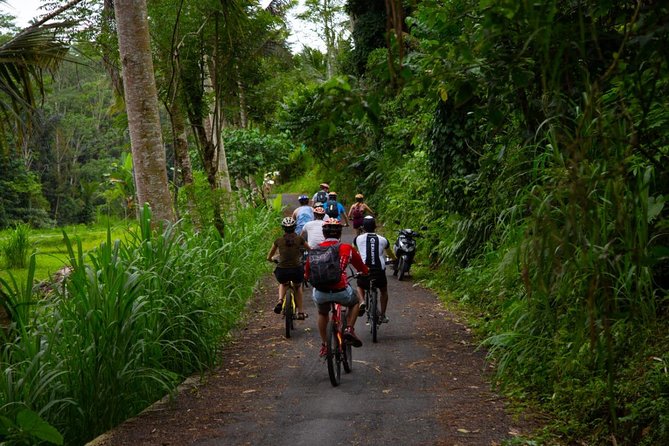
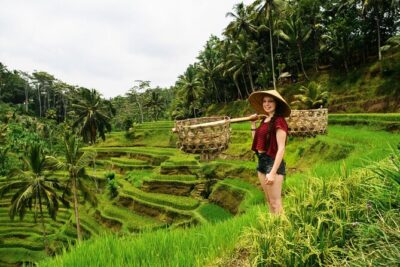
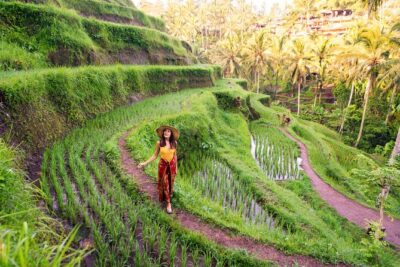
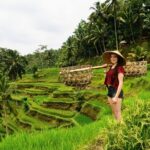
Then comes the cycling portion. You’ll ride on a route described as nearly moderate downhill, moving through lush jungle-like areas and past secret temples and villages. The guide explains history and culture along the way, and the ride includes rice terrace scenery—one of the best visuals Bali offers when the light is still fresh in the morning.
Other Ubud tours and experiences to line up next


What I like about this cycling setup
This is not a “cycle in a straight line and stop for selfies” kind of add-on. The route is designed so you’re looking at how people live, not only how the land looks. If you like learning what’s behind the scenes—why a temple is where it is, what daily life looks like in rural areas—this part rewards you.
There’s also a bike and basic ceremony prep built into the day. Even if you don’t know Bali cycling routes, your transportation and equipment are handled, and you get a towel and sarong later for the purification stop.
A practical drawback to consider
Cycling does take coordination. Even though it’s described as nearly moderate downhill and “most travelers can participate,” it still involves riding for about the morning portion and moving through uneven rural paths. If you have any knee or balance concerns, you’ll want to think twice and be honest with the guide about your comfort level.
Tampaksiring water purification: what you’re doing and why it matters
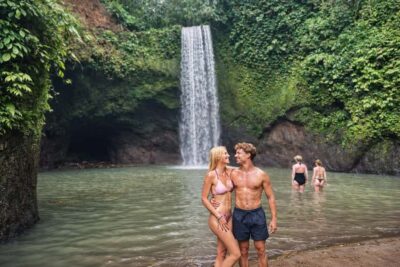
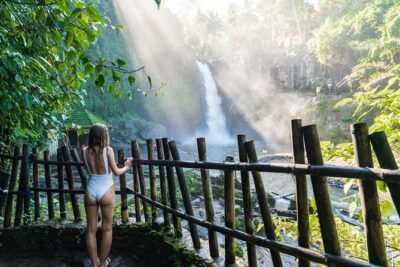
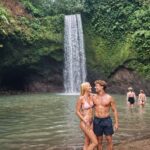
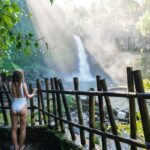
This is the emotional core of the day. At Tampaksiring, you go to a temple on the river for private water purification. The ceremony is described as cleansing with free-flowing water to ward off disease and purify the mind and body beneath the stream of a waterfall.
The tour also notes you’ll dress in traditional sarong, and you’ll offer prayers to the gods. That’s important for two reasons. First, it signals respect—this isn’t a casual “watch from the side” moment. Second, it turns the experience into something participatory, so you’re not only observing.
The time here is about 1 hour, which is long enough to feel the ritual rhythm, but not so long that you’re standing around in discomfort if you’re not used to ceremonies.
How to prepare mentally
This type of ritual works best when you don’t treat it like a performance you need to interpret instantly. Instead, approach it like a guided spiritual reset: you’re there to be cleaned, to focus, and to follow instructions. If you go expecting a quick thrill, you may miss the point.
Also, plan for a sensory experience. You’re in and around water and temple spaces, and that means wet conditions. Your towel and sarong are included, but you may still want to wear clothing you’re comfortable getting damp.
Meeting the local priest/healer after the ritual
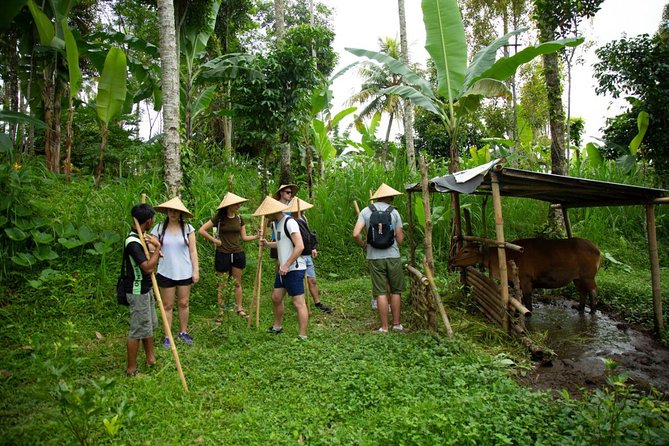
After the purification, the schedule shifts from ritual action to personal spiritual conversation. You visit a local priest and healer, and the tour describes feeling relaxed, healthier, and rejuvenated afterward.
This part of the day is about more than a meeting photo. It’s an opportunity to see how spiritual practice fits into daily life. In Bali, spiritual healers and priests (often referred to by local terms like Balian) play a visible role in community well-being and guidance, and the tour is built around that idea.
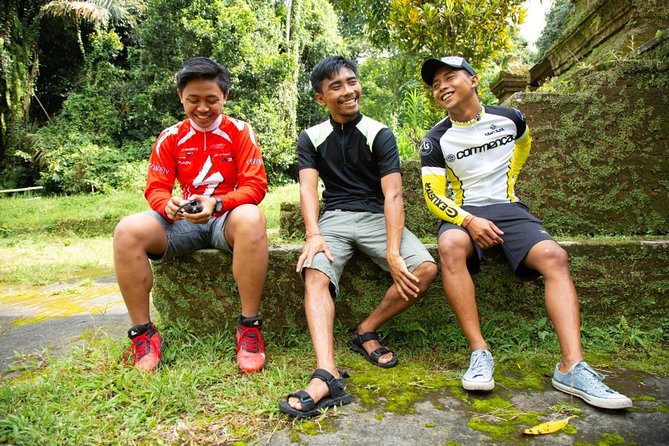
One detail that stands out from the way the day is delivered: guides like Gede and Eka are mentioned in strong terms for being kind and full of knowledge. That matters here because when you’re meeting a spiritual practitioner, you want a translator of sorts—someone who can help you understand what’s happening and how to behave respectfully.
Lunch with a cultural angle comes right after
You don’t get thrown out back into the street right after the priest stop. Instead, the schedule includes time in the village for lunch, plus learning more about Balinese culture and a chance to chat with locals.
The tour’s lunch is repeatedly described as a highlight, with one guest calling it the best lunch in their village. That suggests the food stop is part of the cultural experience, not just a meal break between temples.
Returning toward Ubud: temples, secret spots, and a calmer pace
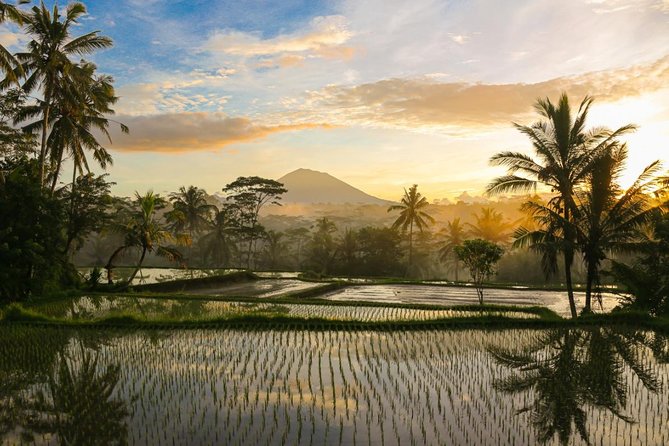
After lunch, you head back toward Ubud with additional temple stops and amazing secret spots along the way. This portion lasts about 2 hours, and the structure is useful: you’ve already done the most intense spiritual moment, so the remaining stops feel more like reflection and scenery, not like a nonstop checklist.
This back half also balances the morning’s active cycling. If you’re the type who needs variety—ritual, conversation, food, and walking between meaningful stops—this schedule keeps you moving without exhausting you.
What $120 gets you (and why it feels fair)
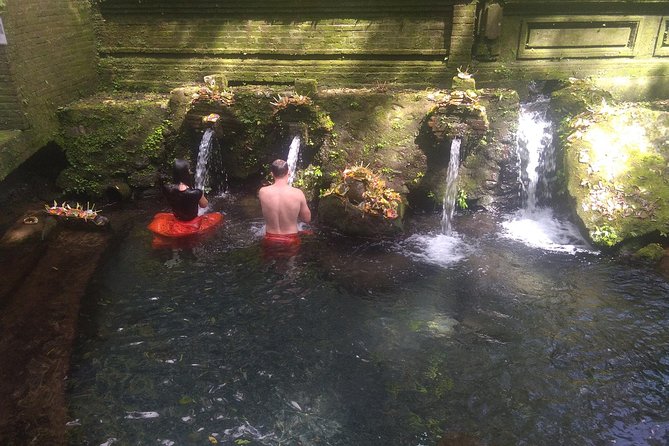
At $120 for about 8 hours, you’re paying for private transportation, a private-format day, and more than the typical “temples + lunch” package. Here’s what’s explicitly included:
- Private transportation
- Lunch (at a local place in an old village setting)
- Coffee/tea with a small breakfast and coffee tasting
- Bottled water
- Use of bicycle
- Towel and sarong for the purification ceremony
- All fees and taxes
In other words, the price includes the pieces that usually cost extra on Bali days: getting around safely, the ceremonial gear, and the bike for the Kintamani portion. When you add in that the day is private (just your group), it’s easier to justify the cost if you value guided pacing and fewer hassles.
What’s not included is simple: donations and gratuities. In practice, that means if someone invites you to contribute, you’ll want cash available and you can decide what feels right.
Who should book this spiritual purification + cycling day
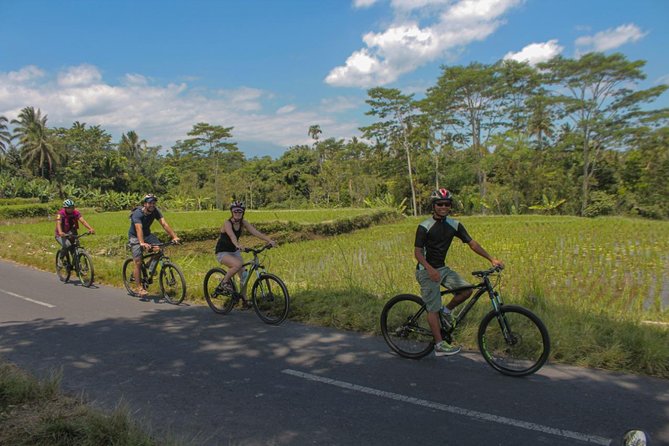
This tour is a good match if you want:
- A spiritual focus, especially a hands-on purification ceremony and meeting a local priest/healer
- A guided day with explanations about Balinese Hinduism and daily life
- A mix of active morning movement (cycling) and calmer mid-day ritual stops
- A day paced like a local itinerary rather than a rushed bus circuit
It may not be ideal if you’re only interested in modern Ubud shopping or purely casual temple wandering. Also, if you’re very sensitive to water, wet conditions, or you prefer fully flat walking, consider your comfort with cycling and river-temple environments.
Should you book this Ubud purification ceremony and priest visit?
I’d book it if you’re after something more personal than a standard temple tour. The purification ceremony at a river temple, followed by meeting a priest/healer, gives the day a clear emotional arc. Add in the Kintamani bike ride through bamboo forest areas and rural routes, and you get a full, meaningful day that doesn’t feel like filler.
If you want maximum comfort, show up ready for an outdoor day and flexible weather conditions. And if you’re unsure about cycling, ask questions early so you can confirm the pace and terrain match your comfort.
FAQ
What time does the tour start?
The start time is 7:30 am.
How long is the full day experience?
It lasts about 8 hours (approx.).
Is hotel pickup and drop-off included?
Yes. You’re picked up (private transportation) and the tour ends with drop-off at your hotel in Ubud.
What happens during the purification ceremony?
You’ll do a private water purification at an ancient Hindu temple on the river. The ritual uses free-flowing water to ward off disease and purify the mind and body beneath the stream of a waterfall. A towel and sarong are provided for the ceremony, and you’ll dress in traditional sarong and offer prayers.
Do you meet a local priest or healer?
Yes. After the purification ceremony, you visit a local priest/healer for a spiritual tradition experience.
Is cycling included, and is it difficult?
Yes, you get use of a bicycle and a cycling tour described as having nearly moderate downhill sections through lush areas with temples, villages, and rice terraces. The tour also notes that most travelers can participate.
What if the weather is bad?
The experience requires good weather. If it’s canceled due to poor weather, you’ll be offered a different date or a full refund.
Private Days Out in Ubud


More Ubud Tours We Rate

Cleansing & Healing Rituals
Just added around Ubud
- Ubud: White Water Rafting with visit Ubud Monkey Forest
★ 5.0 · 3 reviews - Private Guided Bali Car Charter
★ 5.0 · 3 reviews - East Bali and Lempuyang Temple Tour
★ 5.0 · 3 reviews - Bali Downhill Cycling and White Water Rafting
★ 5.0 · 3 reviews - Cave Tubing Adventure in Ubud
★ 5.0 · 3 reviews
Spiritual Cleansing Rituals, compared.
 ★ 4.9Tirta Empul: Temple Tour with Optional Spiritual CleansingFrom $241,257 reviews
 ★ 4.8Sacred Monkey Forest Sanctuary Ticket and Guided TourFrom $16675 reviews
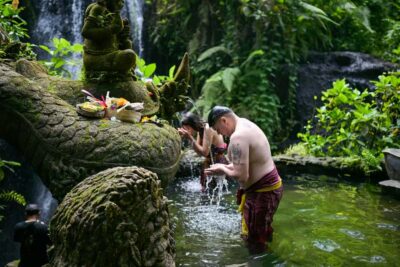 ★ 4.8Taman Beji Griya Waterfall: Holy Bathing/Soul Retreat RitualFrom $29634 reviews
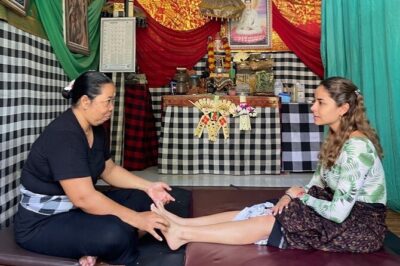 ★ 5.0Ubud Tour – Balinese Healing By Shaman And Self PurificationFrom $74236 reviews
Melukat Ceremony and Temple Tour at Tirta Empul TempleFrom $29218 reviews
★ 5.0Ubud Tour – Balinese Healing By Shaman And Self PurificationFrom $74236 reviews
Melukat Ceremony and Temple Tour at Tirta Empul TempleFrom $29218 reviews
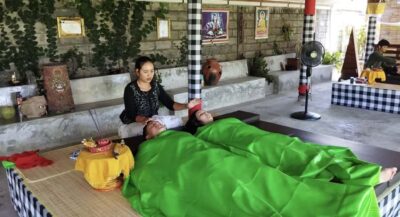 ★ 4.5Spiritual Cleansing, Palm Reading, & Trauma HealingFrom $27217 reviews
 ★ 4.8Soul Retreat & Holistic Mantra Healing ExperiencesFrom $48144 reviews
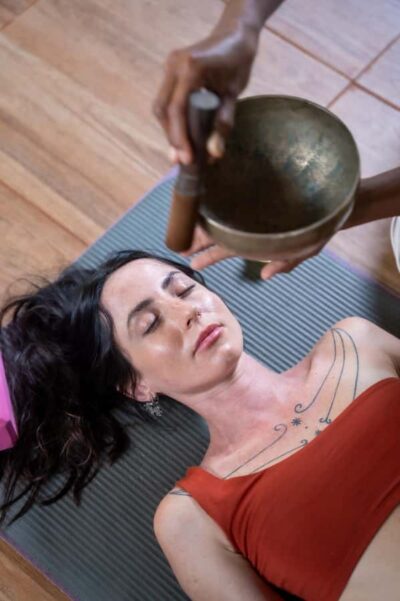 ★ 4.8Ubud Sound Yoga & Energy Healing ExperienceFrom $29112 reviews
Browse the lists this tour appears in