
Reviewed · UBUD WATERFALL TOURS
Purification Holy Bath at Beji Gria Waterfall
Cold water, loud emotions, real calm after. The Purification Holy Bath at Beji Gria Waterfall is one of those Bali experiences that turns a beautiful walk into a temple-guided ritual, with moments you’ll remember long after you’ve dried off. I like how the ceremony is step-by-step, led by a priest and supported by an authorized guide.
I also like the practical value: pickup and drop-off, a guide who stays with you throughout, and what you need for the ceremony are included, including offerings and a special sash/cloth. It helps you focus on the experience instead of logistics and guesswork.
One possible drawback: the waterfall area can feel a bit commercial. If you’re sensitive to sales pressure, you’ll want to stay firm and ready with your own boundaries.
In This Review
- Key Things to Know Before You Go
- Temple Ritual at Beji Griya: What You’re Actually Signing Up For
- The Ceremony Walkthrough: Prayer, Two Baths, and the Scream-and-Smile Moment
- 1) Prayer or meditation with the priest
- 2) First holy bath in a narrow canyon area
- 3) The “release” moment at the first waterfall
- 4) Second holy bath at the small well for aura cleansing
- 5) The “happiness” moment at the second waterfall
- 6) Final blessing with holy water from green and yellow coconut
- Getting There From Ubud: Timing and Transfer Reality
- Price and Value: Is $59 a Good Deal?
- What to Wear and Bring (Cold Water Comes for You)
- Guides, Drivers, and the Personal Touch That Makes It Easier
- Photos at the Falls: Great for Creative Shots, Not Just Snapshots
- Who This Tour Is Best For (and Who Might Want to Skip)
- Should You Book the Purification Holy Bath at Beji Griya?
- FAQ
- How long does the Purification Holy Bath at Beji Griya Waterfall take?
- Is hotel pickup and drop-off included?
- What is included in the $59 price?
- Are women on their period allowed to join?
- What should I bring for the ceremony?
- Is this tour private?
Key Things to Know Before You Go
- A priest leads the main purification steps: prayer/meditation comes first, then the baths.
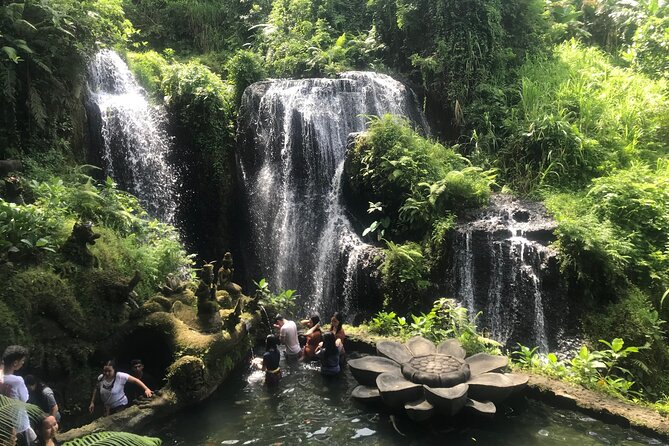
- You do two very different cleansing moments: a first bath in a canyon area for health balance, then a second bath meant to cleanse your aura for happiness and luck.
- There’s a big emotional outlet built into the ritual: scream/cry at the first waterfall, then smile/laugh at the second.
- You get guided help, not just a ticket: an authorized guide accompanies you through each stage.
- Cold water is part of the deal: it can feel chilly, but the ritual is designed to be refreshing.
- Women on their period can’t join: it’s a temple policy for safety.
Chase another hidden cascade around Ubud.
- Ubud: Waterfalls, Water Temple & Rice Terraces Private Tour★ 5.0 · 5,484 reviews
- Best of Bali Waterfalls: Tibumana, Tukad Cepung and Tegenungan★ 5.0 · 3,047 reviews
- Ubud: Full-Day Rice Terrace, Monkey Forest & Waterfall★ 5.0 · 2,634 reviews
- ATV Quad Bike Through Tunnel and Waterfall in Bali★ 5.0 · 2,098 reviews
Temple Ritual at Beji Griya: What You’re Actually Signing Up For
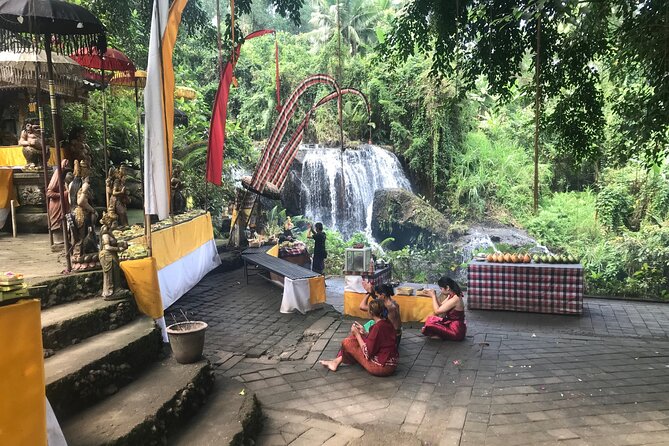
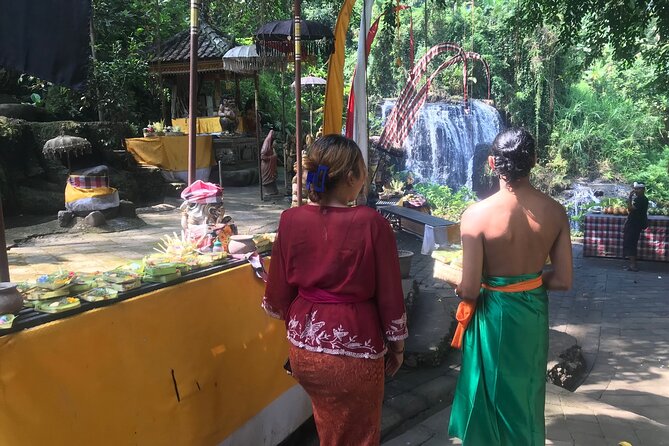
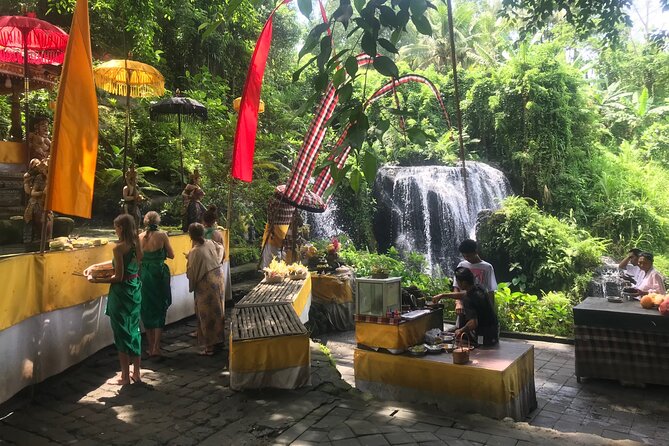
This isn’t a passive “walk and take photos” stop. The purification bath is structured like a real ceremony, with you moving through the space in a specific order and participating in specific actions. You’ll start with prayer and end with a final blessing and holy water.
What makes it interesting is the mix of nature and ritual performance. You’ll be at a waterfall site with real physical sensations (wind, humidity, slippery stone, and water that can feel cold), but your attention is guided back toward the ceremony: intention, release, and blessing.
I love that the experience is not vague. You’re not left guessing what to do or when. An authorized guide accompanies you, and the steps are clear, so you can follow without feeling awkward. That matters because the whole point is participating with respect, not playing tourist.
If you’re hoping for quiet mindfulness only, this might surprise you. There’s a loud part of the ritual where the group is encouraged to scream or cry at the first waterfall, then laugh and smile at the second. It sounds dramatic on paper, but it’s basically built-in permission to let stress go in a very direct way.
The Ceremony Walkthrough: Prayer, Two Baths, and the Scream-and-Smile Moment
Here’s the flow you can expect once you’re at the waterfall, in the order you’ll experience it.
1) Prayer or meditation with the priest
The ceremony begins with you meditating or praying, led by the temple priest. This sets the tone. Instead of jumping straight to the water, you’ll get a moment to settle and follow along.
This first step helps you shift gears. Even if you don’t share the same beliefs, it gives you a chance to treat the ritual like a real moment, not just a photo opportunity.
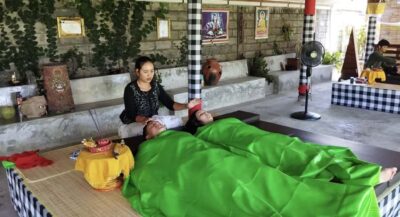
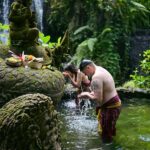
Melukat water blessings and healer visits around Ubud.
2) First holy bath in a narrow canyon area
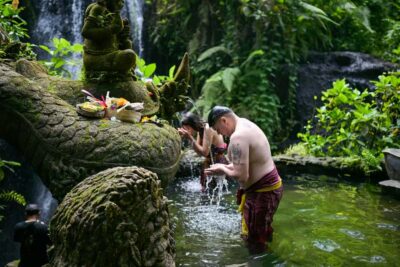
Next, you walk through a narrow canyon area for the first holy bath. This first bath is described as balancing health.
Practically, this is the part where you’ll notice how careful you have to be: footing can be slick, and the canyon walk is tighter than you might expect. Wear sandals or shoes you’re comfortable walking in, then plan for wet conditions once you reach the bath point.
Emotionally, this first bath connects to the idea of restoring balance. It’s also where you’ll feel the temperature most, since the water can be chilly.
3) The “release” moment at the first waterfall
After the first cleansing, the ritual shifts into release. You’ll be encouraged to let go of anxiety, tension, and sadness by screaming or crying as loud as you can at the first waterfall.
This is the part people remember most. It’s silly if you treat it as a performance, but oddly powerful if you let it happen. Think of it like a guided emotional exhale. And yes, you’ll see people lean into it.
4) Second holy bath at the small well for aura cleansing
Then you move to the second holy bath. This one happens on a small well and is meant to cleanse your aura so you can attract happiness and luck.
The key difference here is intention. The first is more about balancing health; the second is about what comes after—your emotional “reset,” your outlook, your vibe.
5) The “happiness” moment at the second waterfall
After the second cleansing, you express happiness by smiling and laughing as loud as you can at the second waterfall.
This is the mirror image of the scream moment. If the first bath helps you vent, the second bath helps you reconnect. It can feel surprisingly cathartic, especially if you’ve been carrying stress quietly.
6) Final blessing with holy water from green and yellow coconut
The last step is receiving a final blessing from the priest with pure holy water taken from green and yellow coconut water.
This ending matters because it closes the loop. You’re not just getting wet; you’re leaving with a ceremonial finish that’s meant to carry forward the sense of cleansing.
Getting There From Ubud: Timing and Transfer Reality
Most people don’t think about transfer time until they’re staring at a hotel pickup and traffic slows everything down. Here, you should plan for it.
Pickup and drop-off are included. The drive from Ubud to the waterfall typically takes 30 minutes to 1 hour depending on your hotel location and traffic. Your full day block is about 5 hours total from pickup to drop-off, even though the activity itself is around 3 to 4 hours.
So if you’re trying to squeeze this between other Ubud plans, don’t. I’d treat it like a main outing.
One detail I appreciate: your team handles the coordination with a driver from Bali Yowana Tour. The experience is set up as a private tour/activity, meaning it’s only your group. That usually makes the ceremony feel less like a busy conveyor belt.
If your hotel is farther from central Ubud, build in extra time. You’ll enjoy the ritual more when you’re not rushed.
Price and Value: Is $59 a Good Deal?
At $59 per person, this can be good value if you compare what’s included. You’re not just buying admission.
Your $59 includes:
- private hotel pickup and drop-off
- an authorized local guide who accompanies you and explains each step
- parking fees
- offerings for the holy bath, including incense sticks
- a special sash/cloth for the ceremony
- admission ticket
Food and drinks are not included. You’ll also want a little cash for personal needs, and you may need to pay for nothing else, but you should still plan for what you’ll snack on.
So the value comes from three places:
1) you’re paying for guided participation, not a simple entrance ticket
2) the ceremony supplies are taken care of for you
3) transportation is included, which saves time in Ubud
If you already have someone to drive you, you can compare. But most visitors don’t. For many people, that included pickup plus a guide is the “worth it” factor.
What to Wear and Bring (Cold Water Comes for You)
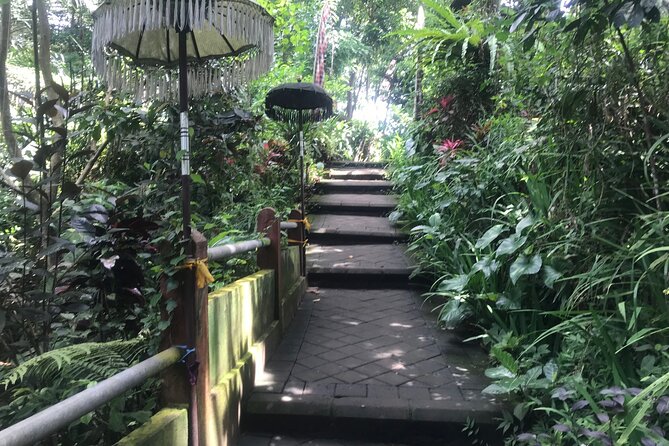
This is a wet experience. Plan like you’ll get wet, even if you’re hoping you won’t.
You should wear light, comfortable clothing and bring a change of clothes. Pack essentials like sunscreen, sunglasses, and a cap or hat. Bring a water bottle and snacks, since food and drinks aren’t included.
Don’t skip a swimsuit if you can. You’ll feel more comfortable during the water stages, and having the right base gear makes the whole day smoother.
Also bring:
- camera (if you want photos, and you’ll likely get chances)
- petty cash (for small personal expenses)
- a towel if you prefer one (not listed, but it can help)
The good news is you get a guide to help keep you on track. The bad news is nature doesn’t care about your schedule. Expect humidity, slippery spots, and chilly water.
Guides, Drivers, and the Personal Touch That Makes It Easier
Names came up in the reviews in a way that helps you judge the human side of the day.
One review highlighted a driver named Vito, described as early, friendly, and helpful. Another review mentioned Pandu as the guide who led the ceremony and captured moments while helping keep the process smooth.
That kind of support matters because the ceremony is partly about doing, not just watching. If your guide explains what to expect before each step, you’ll feel more relaxed during the awkward bits (like knowing when you’re meant to participate loudly).
Even if you’re traveling solo or just don’t love being singled out, having someone guide your movements through the ritual can lower stress fast.
Photos at the Falls: Great for Creative Shots, Not Just Snapshots
If photography is part of your Bali plan, this location can deliver.
One review specifically called it a place to do a professional photography shoot, and mentioned staff helping the visit and photography flow smoothly. Another review praised the guide for taking photos and capturing beautiful moments on the phone.
What you can control: bring your camera, keep your gear protected, and don’t let your device take over the ceremony. The “best” photos often come when you’re present enough to follow the steps.
Tip: plan to capture wide shots during calmer moments (before water), then save your close shots for after the ceremony when you can dry off and your hands work again.
Who This Tour Is Best For (and Who Might Want to Skip)
This experience is designed for most travelers, but the rules are clear.
You can participate if you meet the age range: minimum 10 years old and maximum 60 years old.
There’s a temple policy you must respect: women on their period cannot do the holy bath for safety reasons. If this applies to you, you’ll have to sit out the bath portion.
Who it suits well:
- couples or small groups who want a structured spiritual experience
- people who like nature plus a clear ritual
- anyone who wants an emotional “reset” day, not just a sightseeing day
- travelers who appreciate a guide-led explanation and included ceremony items
Who might want to skip:
- if loud participation sounds stressful rather than healing
- if you strongly dislike any hint of commercial sales pressure at tourist sites
- if you need a completely relaxed, low-physical-effort outing (there’s walking in canyon-type areas and dealing with wet terrain)
Should You Book the Purification Holy Bath at Beji Griya?
I’d book this if you want something more meaningful than a standard waterfall visit. The combination of priest-led prayer, a guided step-by-step cleansing, and the emotional release moments makes it feel like a real experience with an ending—rather than a quick stop.
If you’re the type who enjoys structure, likes being walked through the process, and doesn’t mind getting wet (and probably chilly), you’ll likely love it.
On the other hand, if you’re very sensitive to sales pressure or you’re looking for quiet scenery only, you may find the atmosphere a bit too commercial. In that case, go in with clear expectations and stay focused on the ritual.
FAQ
How long does the Purification Holy Bath at Beji Griya Waterfall take?
The activity itself runs about 3 to 4 hours, and the total time from pickup to drop-off is around 5 hours depending on your hotel location and traffic.
Is hotel pickup and drop-off included?
Yes. Private hotel pickup and drop-off are included, and the transfer time to the waterfall area is usually 30 minutes to 1 hour each way.
What is included in the $59 price?
Your price includes the admission ticket, private pickup and drop-off, an authorized local guide, parking fees, offerings for the holy bath (including incense sticks), and a special sash/cloth for the ceremony.
Are women on their period allowed to join?
No. Women on their period are not allowed to do the holy bath due to a temple safety policy.
What should I bring for the ceremony?
Bring light, comfortable clothing, a swimsuit, a change of clothes, sunscreen, sunglasses, a hat, a water bottle, snacks, a camera, and some petty cash.
Is this tour private?
Yes. It’s a private tour/activity, so only your group participates. A mobile ticket is used as well.
More Ubud Tours We Rate


Cleansing & Healing Rituals
More Ubud Waterfalls to Chase

Just added around Ubud
- Ubud: White Water Rafting with visit Ubud Monkey Forest
★ 5.0 · 3 reviews - Private Guided Bali Car Charter
★ 5.0 · 3 reviews - East Bali and Lempuyang Temple Tour
★ 5.0 · 3 reviews - Bali Downhill Cycling and White Water Rafting
★ 5.0 · 3 reviews - Cave Tubing Adventure in Ubud
★ 5.0 · 3 reviews
Ubud Waterfall Tours, compared.
 ★ 5.0Waterfalls, Water Temple & Rice Terraces Private TourFrom $295,484 reviews
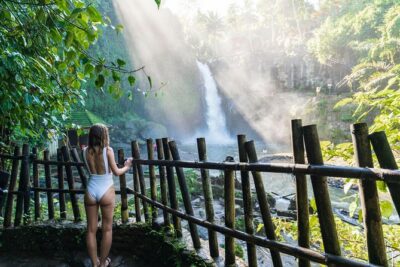 ★ 5.0Best of Bali Waterfalls: Tibumana, Tukad Cepung and TegenunganFrom $533,047 reviews
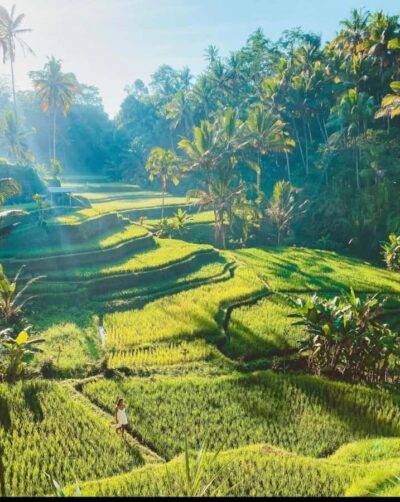 ★ 5.0Full-Day Rice Terrace, Monkey Forest & WaterfallFrom $232,634 reviews
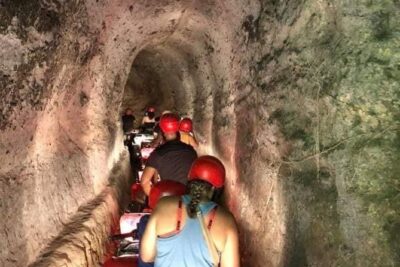 ★ 5.0ATV Quad Bike Through Tunnel and Waterfall in BaliFrom $332,098 reviews
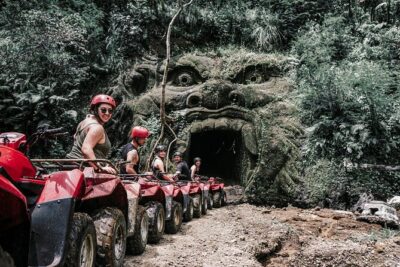 ★ 5.0ATV Quad Bike Bali with Waterfall Gorilla Cave and LunchFrom $321,925 reviews
 ★ 4.7Quad ATV Waterfalls & Barong CavesFrom $49891 reviews
 ★ 4.8Taman Beji Griya Waterfall: Holy Bathing/Soul Retreat RitualFrom $29634 reviews
 ★ 5.0Bali ATV Quad Bike Through Tunnel, Waterfall, White Water RaftingFrom $26610 reviews
Browse the lists this tour appears in