
Reviewed · KINTAMANI & VOLCANO TOURS
Kintamani Vulcano Tour
North Bali feels like a greatest-hits reel. This day trip strings together old temples and volcano views with a stop at rice-country. You also get guided temple context, so it’s not just sightseeing blocks-by-block.
I especially like the way the route mixes sacred sites with real scenery. Gunung Kawi sits in rice terraces with carved cliff details, and Tirta Empul’s spring-based rituals can feel hands-on to watch. I also love that you’ll ride in an air-conditioned vehicle with a driver who can keep things smooth and informative—some guests highlight guides like Kadek for being polite and clear, and Dewa for culture lessons.
One thing to weigh: it’s a long day (about 9 hours), and lunch isn’t included. If you’re hungry at unpredictable times, bring a small snack plan so you’re not stuck waiting.
In This Review
- Key highlights
- The “north of Ubud” route that makes the day feel full, not rushed
- Starting with a traditional produce market
- Gunung Kawi (Mount Kawi): cliff-side temple details in rice terraces
- Tirta Empul Temple: the sacred spring and the Melukat purification bath
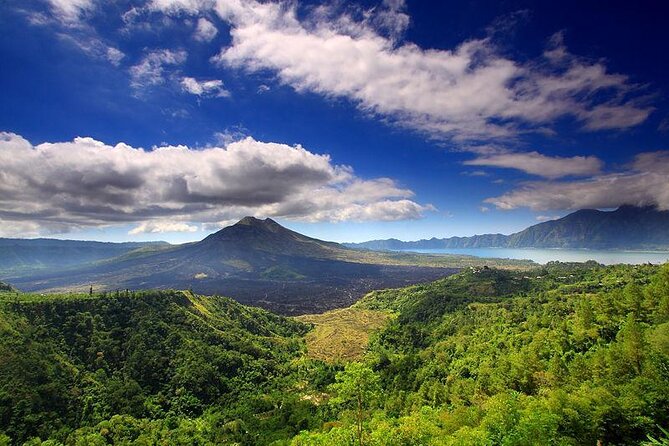
- Kintamani highlands: Mount Batur and the caldera views that anchor the day
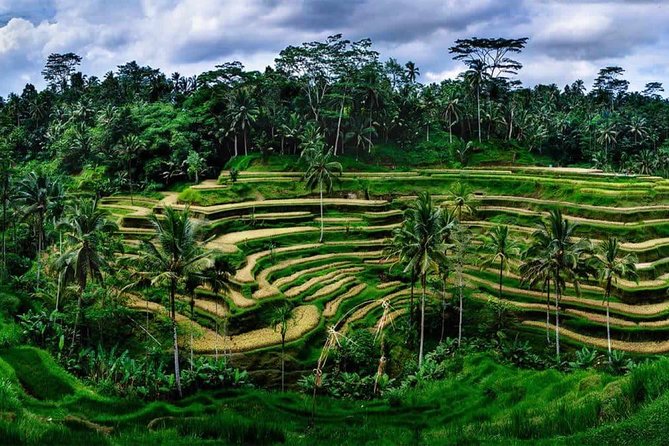
- Tegalalang rice terraces: subak irrigation and the classic Bali paddies
- Timing, pace, and how to make the most of 9 hours
- Price and value: why $52.62 can be a good deal for this specific route
- Who this tour suits best (and who should skip it)
- Should you book the Kintamani Volcano Tour from Ubud?
- FAQ
- What time does the tour start?
- How long is the Kintamani Volcano Tour?
- Is pickup available from Ubud?
- What’s included in the price?
- What isn’t included?
- Is it a private tour?
- Is free cancellation available?
Key highlights
- Gunung Kawi’s cliff carvings: ancient rock detail in a rice-terrace setting, not a plain temple stop.
- Tirta Empul’s sacred spring: watch the Hindu Melukat purification bath procession in the temple courtyard.
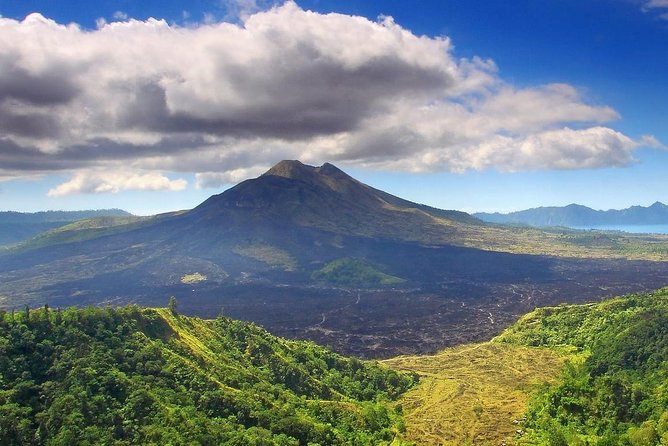
- Lake and Mount Batur viewpoints: you’ll get a proper look at the caldera area around Kintamani.
- Tegalalang rice terraces with subak irrigation: classic Bali paddies, plus the traditional irrigation system that keeps them working.
- Sarong support for temple visits: provided for you, so you can focus on the sights.
- Clean, on-time driver experience: guides like Kadek and Dewa are specifically praised for being reliable and informative.
Caldera views over Lake Batur, and how to reach them.
- Highlights of Ubud & Mount Batur Volcano – Private Day Trip★ 5.0 · 274 reviews
- Ubud: Downhill Bike Tour with Rice Fields, Volcano and Meal★ 5.0 · 267 reviews
- Kintamani Cultural and Nature Cycling Tour ( Manual Bike )★ 5.0 · 257 reviews
- Ubud : Kintamani Downhill Cycling Tour with Lunch★ 5.0 · 171 reviews
The “north of Ubud” route that makes the day feel full, not rushed
This is the kind of trip that works because the destinations actually relate to each other. You start around Ubud, head into Gianyar for historic temples, then continue north toward the Mount Batur caldera area, ending with the rice terraces at Tegalalang. It’s a logical loop, not random dots on a map.
The day starts at 9:00 am, and it runs around 9 hours. That timing gives you daylight for the Kintamani viewpoints and enough time to walk through each site without feeling like you’re sprinting.
You’re also in a proper vehicle with air-conditioning, and transport is private. That matters in Bali, where road conditions and heat can turn a good plan into a miserable one fast.
Starting with a traditional produce market
Before temples and viewpoints, the tour begins at a traditional produce market serving local villages. I like this order because it gives you context early—before you’re surrounded by stone carvings and sacred springs, you see how daily life in Bali looks.
It’s also a good moment to grab small things you might need later. While bottled water is included, you might still want fruit snacks or something quick if you know you’ll skip lunch.
If you’re sensitive to crowds, markets can be busier than temples. Keep your expectations flexible and treat it as a warm-up.
Gunung Kawi (Mount Kawi): cliff-side temple details in rice terraces
Gunung Kawi is one of those stops where the location is part of the story. You get carvings cut into cliff rock—large old details—set near rice terraces, so the view is built into the site. It’s also described as dating back to the late 11th century, which helps explain why the carvings feel so weathered and grounded.
What you’ll likely enjoy most is the combination of two things at once: you’re not only looking at temple architecture, you’re looking at it in its landscape setting. The cliffs and the surrounding greenery make it easier to understand why people came here and stayed close.
Practical note: temple visits here mean you’ll be dealing with temple etiquette. The tour provides a sarong for temple entry, which is helpful because you don’t have to hunt one down at the last minute.
A possible drawback is time pressure. Even with about an hour at the stop, you’ll want to move at a comfortable pace—slow down for the cliff carvings and don’t get pulled only toward photos. If you’re the type who likes reading every sign, budget extra attention and expect to skim some parts.


Tirta Empul Temple: the sacred spring and the Melukat purification bath
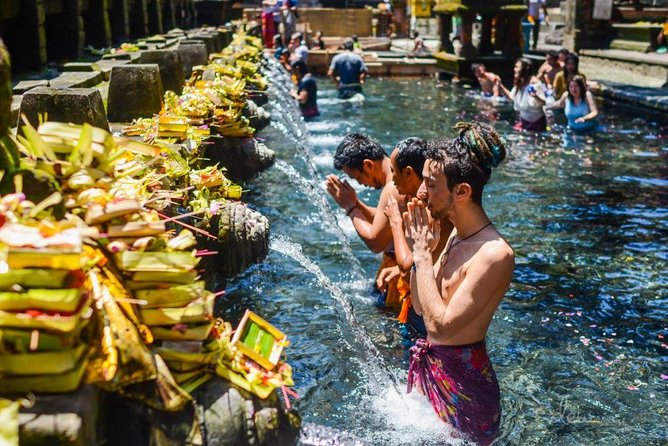
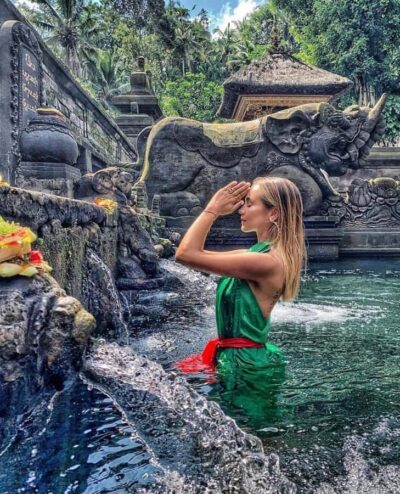
Next up is Tirta Empul Temple, built around the sacred spring at Tampak Siring. The spring bubbles up in the temple’s inner courtyard, and it’s believed to have curative power—one of the reasons this place draws attention from both locals and visitors.
The part I’d put near the top of the day is the chance to watch the Hindu Melukat purification procession, described as a purifying bath. Watching a ritual from the side is different from seeing a static monument. You’ll notice the rhythm of people moving through the process, and it helps you understand the temple as a living place of worship rather than a backdrop.
Etiquette matters here. Since this is tied to purification, give the scene space and follow any guidance from your guide and the temple staff. Don’t step into the bath area unless you’re clearly invited or permitted.
One consideration: if you’re uncomfortable around water rituals or you don’t like crowds near active worship, this might feel intense. The upside is that it’s memorable in a way that doesn’t rely on viewpoints or photo angles.
Kintamani highlands: Mount Batur and the caldera views that anchor the day
After temples, the tour drives north to the Kintamani highlands, the area around the Mount Batur caldera. The route mentions places like Penelokan, Toya Bungkah, Batur, Kedisan, Abung, Songan, and Kintamani—so you’re not stuck with one single viewpoint, even if the stop time is limited.
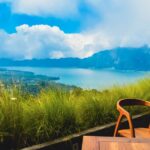
This is where the day “pays off” visually. You’ll get very beautiful views around Lake and Mount Batur, which is exactly the kind of natural feature that makes Bali’s interior feel different from its beaches.
In terms of what to bring: wear shoes you can walk in comfortably, since viewpoints and roads can mean short distances on uneven ground. Also, if you tend to get cold when you stop after a hot car ride, bring a light layer. (Kintamani is higher elevation than Ubud, and conditions can change.)
The possible drawback is simple: an hour goes quickly at scenic pull-offs. If you want long, unhurried photos, you’ll have to pick your best angle and commit. Don’t treat it like a second beach—this is a look, breathe, and enjoy moment.
Tegalalang rice terraces: subak irrigation and the classic Bali paddies
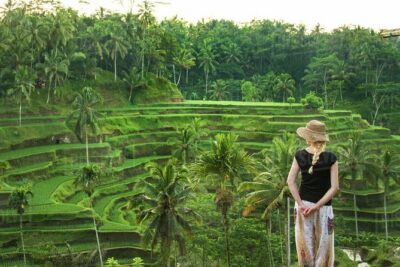
Then you head into Tegalalang, a village famous for rice terraces and the scenery that made Bali famous in the first place. What makes this stop more meaningful than a generic “rice field” photo session is the reference to subak, the traditional Balinese cooperative irrigation system. It’s described as passed down historically by a revered system of management, which is the key idea: these terraces are cultivated, not staged.
What you’ll likely enjoy: terraces stacked at different levels create natural viewpoints. Paths and viewpoints can let you see how water control shapes the patterns. If you like photography, this is the easiest stop to find an angle fast.
Drawback to plan for: Tegalalang can draw visitors. Even so, the tour’s design—finishing here after Kintamani—helps you catch a different vibe than a full day that starts with rice fields at peak hours.
Wear something comfortable for walking. Even in an “easy” hour, you might be stepping along uneven ground and down-and-up paths.
Timing, pace, and how to make the most of 9 hours
A day like this can go two ways: either each stop is a quick checkmark, or you come away feeling you learned something. This tour leans toward the second option because it includes temple admissions, sarong use for temple visits, and a clear flow from daily life to sacred sites to countryside views.
Here’s how I’d pace yourself inside the 9 hours:
- At temples, spend the first minutes looking around before you zoom in. It’s easier to understand the setting that way.
- At viewpoints, decide where you want your best shot early, then allow time to look past it at the broader caldera view.
- At Tegalalang, keep moving. If you get stuck at one overlook, you’ll miss the most interesting angles lower down.
Your vehicle time matters too. With an air-conditioned car and private transport, the journey is part of the comfort—not a punishment. Some guests highlight that drivers like Kadek keep things calm and informative, which helps you stay mentally switched on instead of just staring out the window.
Price and value: why $52.62 can be a good deal for this specific route
At $52.62 per person, this isn’t priced like a quick transport shuffle. The value is mostly in what’s included: bottled water, air-conditioned vehicle, private transportation, all fees and taxes, admission tickets at the stops, and a sarong for temple visits.
For you, that bundle translates into less friction. You don’t have to budget separately for entry costs, and you don’t have to solve the sarong problem right before a temple. Lunch isn’t included, but that’s normal for tours like this.
If you like building a day around multiple paid sights—one cliff temple, one spring temple, and a big nature-view payoff—this is the kind of pricing that makes sense. If you hate long days and already plan to hit the rice terraces anyway, the cost-to-time ratio might feel heavy.
Who this tour suits best (and who should skip it)
This works best if you want a strong mix: cultural sites (including a living purification ritual), a volcanic region viewpoint, and rice terraces in one organized day. If you like learning how temples connect to local life, you’ll appreciate the temple-focused order.
It also suits people who don’t want to plan route logistics across multiple towns. The private vehicle and included tickets keep the day simple.
I’d hesitate if you want a slow, unstructured vacation day. This is structured. It’s about seeing a lot in one run. And if you’re very sensitive to long stretches in traffic or you require lunch at a specific time, the lack of lunch included is worth planning around.
Should you book the Kintamani Volcano Tour from Ubud?
I’d book it if you want a single day that covers temples with meaning plus Mount Batur views plus Tegalalang rice terraces without turning the trip into a planning project. The star reasons are the strong sequence and the included temple entry setup—sarong included, admissions covered, and a route that doesn’t just repeat the same scenery.
Skip it if you’re already feeling “templed out,” you hate long days, or you expect lunch to be included. This tour will still be worth it for most first-timers to north Bali, but it’s designed for people who want to make the most of daylight.
If you book, do two simple things: bring or plan small snacks for the gap, and wear comfortable shoes you can walk in during temple areas and at Tegalalang.
FAQ
What time does the tour start?
The tour start time is 9:00 am.
How long is the Kintamani Volcano Tour?
It’s listed at about 9 hours.
Is pickup available from Ubud?
Pickup is offered.
What’s included in the price?
Included are bottled water, an air-conditioned vehicle, private transportation, all fees and taxes, and sarong use for the temple visit.
What isn’t included?
Lunch and personal expenses aren’t included.
Is it a private tour?
Yes. It’s a private tour/activity, and only your group will participate.
Is free cancellation available?
Yes, you can cancel up to 24 hours in advance for a full refund.
More to See and Do in Ubud



More Ubud Tours We Rate
Kintamani & the Batur Caldera

Just added around Ubud
- Ubud: White Water Rafting with visit Ubud Monkey Forest
★ 5.0 · 3 reviews - Private Guided Bali Car Charter
★ 5.0 · 3 reviews - East Bali and Lempuyang Temple Tour
★ 5.0 · 3 reviews - Bali Downhill Cycling and White Water Rafting
★ 5.0 · 3 reviews - Cave Tubing Adventure in Ubud
★ 5.0 · 3 reviews
Kintamani & Volcano Tours, compared.
 ★ 5.0Highlights of Ubud & Mount Batur Volcano – Private Day TripFrom $60274 reviews
 ★ 5.0Downhill Bike Tour with Rice Fields, Volcano and MealFrom $33267 reviews
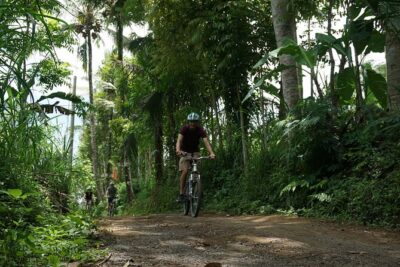 ★ 5.0Kintamani Cultural and Nature Cycling Tour ( Manual Bike )From $33257 reviews
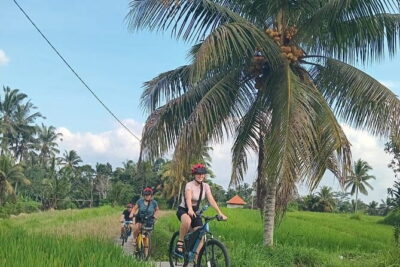 ★ 5.0Kintamani Downhill Cycling Tour with LunchFrom $29171 reviews
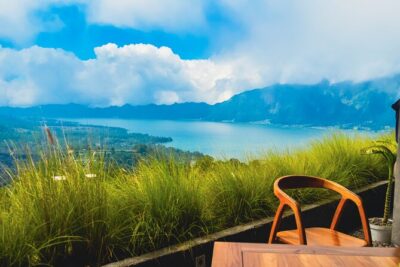 ★ 4.0Kintamani Lake & Volcano TourFrom $67104 reviews
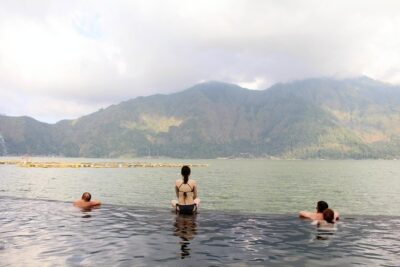 ★ 5.0Ubud Volcano Lake and Natural Hot Spring TourFrom $35101 reviews
 ★ 5.0Kintamani Cafe, Waterfall, Temple and Cretya Ubud TourFrom $35100 reviews
 ★ 5.0Sunrise Jeep Tour Mount Batur Kintamani BaliFrom $3224 reviews
Browse the lists this tour appears in