
Ubud is best when you see it from a bike seat. This half-day electric fat bike ride turns heat and hills into something you can actually enjoy, with guided stops at rice terraces and local village life. It also keeps things human-sized, with a group cap that means you’re not just another helmet in the crowd.
What I like most is the setup: you get the e-bike, plus lunch and bottled water, and you don’t have to worry about navigating. I also like that guides bring the details—names like Kedek, Wayan, and Kadek Lanying show up in recent experiences with friendly, attentive storytelling.
One consideration: you should be comfortable on a bicycle. This tour requires bike experience, and riders must stay under 120 kg, so if you want a no-skill, no-effort outing, choose something gentler.
In This Review
- Key Highlights You’ll Feel from the Start
- Electric Fat Bikes Make Ubud Feel Effortless
- Starting at Jalan Bisma with a Small-Group Morning
- Tegalalang Rice Terrace: UNESCO Views and a Swing Break
- Bentuyung Village Riding and Temple-Linked Culture Stops
- Traditional House Visit and What Guides Actually Explain
- Lunch on the Terrace, Bottled Water, and a Real Reset
- Price and Value: Why $23 Can Work If You Match the Style
- Who Should Book This Electric Fat Bike Tour (and Who Shouldn’t)
- How to Get the Most from Your 8:00 am Ride
- Should You Book the Half-Day Electric Fat Bike Tour of Ubud?
- FAQ
- How long is the half-day electric fat bike tour?
- Where does the tour start in Ubud?
- Is hotel pickup included?
- What’s included in the price?
- Is the group size limited?
- Do I need prior experience riding a bicycle?
- What is the maximum rider weight?
- Do I need good weather?
- What time does the tour begin?
Key Highlights You’ll Feel from the Start
- Electric fat bikes that make riding through Ubud’s humid conditions much easier
- Tegalalang Rice Terrace views, framed by UNESCO-listed scenery and plenty of photo stops
- A small group (max 4) for a more personal pace and more time to ask questions
- Village-route riding through areas like Bentuyung, with cultural stops along the way
- Traditional-house visit plus guide-led explanations of daily life
- Lunch and bottled water included, so you spend less time planning and more time riding
Freewheel down through the paddies on two wheels.
- Ubud: Rice Terraces & Villages Half-Day Fat Tire E-Bike Tour★ 4.9 · 602 reviews
- Ubud: Downhill Cycling with Volcano, Rice Terraces and Meal★ 5.0 · 536 reviews
- Ubud eBikes Tour to Tegallalang Rice Terrace★ 5.0 · 507 reviews
- Half-Day Ubud Electric Cycling Tour to Tirta Empul Water Temple★ 5.0 · 315 reviews
Electric Fat Bikes Make Ubud Feel Effortless
The biggest value here is how an electric fat bike changes the experience. Fat tires plus a motor mean you can move steadily over uneven paths without grinding your legs in the heat. The result feels less like exercise class and more like a guided way to see Ubud up close.
In practice, you’ll spend less energy focusing on balance and more on where you’re going. Recent riders specifically call out how much easier the ride feels compared with pedaling in Ubud’s weather, which matters if you’re visiting during warmer months or you haven’t ridden in a while.
Also, fat bikes help on the kinds of roads you often find around villages—small bumps, rougher surfaces, and turns that would feel clunky on a thin-tire bicycle. You still have to ride safely, but the bike is built for comfort and control.
Starting at Jalan Bisma with a Small-Group Morning
The tour meets at Jalan Bisma, at the Egobike Bali Office. The start time is 8:00 am, which is ideal because you get the morning air before the day gets steamy.
If your hotel is in Ubud, you’ll get round-trip transfers. That’s a real convenience win, because you can show up, ride, eat, and get back without juggling transport. You also use a mobile ticket, which is helpful if you like keeping everything on your phone.
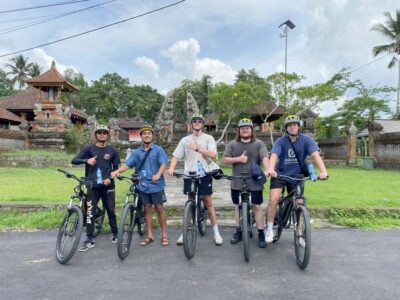
The group size is capped at four travelers, so the vibe is quieter and more flexible. A smaller group also tends to mean you’ll get better attention from the guide, especially for picture stops and when the route gets slower.
One small planning note: the ride does require good weather. If conditions are poor, the operator may offer a different date or a full refund, so it helps to keep an eye on the forecast for that morning.
Tegalalang Rice Terrace: UNESCO Views and a Swing Break
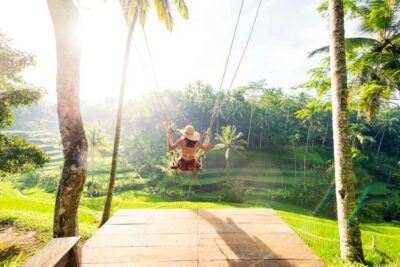
The headliner is the Tegalalang Rice Terrace, which is a UNESCO-listed site. Expect that classic terraced view—wide steps of rice fields dropping in layers, with angles that make even a short stop feel worthwhile.
This is also where the tour gives you breathing room. You don’t just roll through; you pause to take in the scenery and get photos from multiple viewpoints. If you want that iconic Tegalalang shot, this is the moment to take it seriously.
One extra detail from recent experiences: there can be time for a free swing at the rice terrace. That’s the kind of fun add-on that keeps the stop from becoming just standing and snapping photos. It also helps break up the ride so you don’t feel like you’re rushing from one place to the next.
Timing is typically part of the experience design. The ride portion stretches into a longer block around this area, so you’re not stuck with a five-minute look and a quick “next stop.” It’s more like an easy scenic interlude built into a guided morning.
Other Ubud tours and experiences to line up next



Bentuyung Village Riding and Temple-Linked Culture Stops
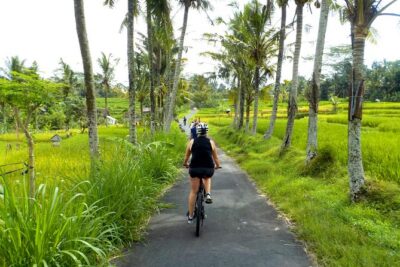
After you meet your guide and get acquainted with the e-bikes, you’ll cycle toward Bentuyung village. The route is described as gliding past cottages and rice fields, which is one reason this tour works so well for first-time visitors. You get out of the center and into the shapes of everyday Bali without needing to research routes or learn which turns matter.
A big part of what makes the cultural stops feel real is the guide talk. Guides are known for explaining what you’re seeing and how locals live, so the ride isn’t only visual—it’s also contextual. You’ll get a sense of how the countryside functions beyond the tourist viewpoint.
There are also cultural stops along the way, including visits connected to village life. The itinerary notes temple visits as part of the overall experience, and riders highlight moments where guides help you understand the meaning behind what you’re looking at—not just the scenery itself.
Another practical perk: the tour includes planned stops for pictures and short rests. That means you’re not negotiating where to stop or how long you should spend. You can focus on enjoying the ride and listening to the guide.
One more detail from recent comments: you may have moments to chat with local people and even stop for coffee. That kind of small, human interaction is often what turns a scenic tour into a memory you’ll keep.
Traditional House Visit and What Guides Actually Explain
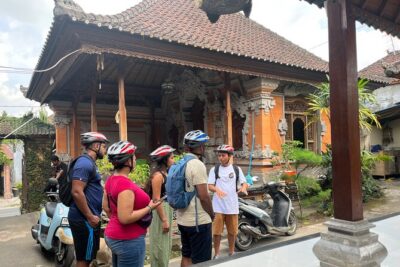
At some point during the ride, there’s a stop at a traditional house. This matters because it shifts the day from “pretty scenery” to “how people live.” You’ll see how domestic spaces are organized and learn what the guide wants you to notice.
The best guides are the ones who connect details to everyday life. In recent experiences, guides like Kedek, Wayan, and Kadek Lanying are repeatedly described as attentive and friendly, with video and photo help that makes the experience feel effortless. That matters because you’ll be moving, and it’s not always easy to manage your phone while riding and stopping.
You’ll also hear stories tied to local routines. Guides often point out what’s around you—crops, paths, and the rhythm of village life—so the tour feels like a guided walk you can travel farther with.
One small caution: this is still a bike tour. Even when you’re on foot at a stop, it’s paced as part of a ride schedule. If you prefer very long museum-style stops, you might want to add extra time elsewhere in Ubud after your bike morning.
Lunch on the Terrace, Bottled Water, and a Real Reset
You’re not left hungry mid-ride. Lunch and bottled water are included, and the meal comes at the end of the cycling portion at the company’s shop terrace area.
That’s a simple but important comfort. After a morning of sun and stops, you don’t want to be hunting for a place to eat or guessing whether the food will actually be worth it. Having the meal handled means you can relax and refuel on schedule.
Also, eating at the end of the ride is a smart pacing choice. You can clean up mentally, look at photos, and talk with the guide about what you liked most—without scrambling to catch a transfer later.
The food itself gets positive notes in recent experiences, with riders calling it tasty and well timed. If you’re thinking about booking but worry about meal quality on tours, that’s a good sign.
Price and Value: Why $23 Can Work If You Match the Style
At $23 for a half-day, the price is surprisingly reasonable—mainly because multiple things are bundled. You’re getting the e-bike, a guide, lunch, bottled water, and round-trip transfers from within Ubud. When those pieces are priced separately, the math usually stops making sense fast.
The small group cap of four travelers is another hidden value driver. Many tours cost a bit more but still feel crowded and rushed. Here, you get a quieter, more guided pace, which often reduces waiting time and improves the quality of stops and explanations.
One more thing: this tour includes admission ticket messaging as free for the stops noted in the route. Even if you still end up paying for extras on your own, it helps keep the core plan straightforward.
Where the value matters most is if you want:
- a guided route through rice terraces and villages
- a bike-based way to cover ground without planning
- a morning activity that ends with a meal
If you’re the kind of traveler who only wants flat, purely scenic rides with zero cultural stops, the “learn and stop” format might feel like more structure than you prefer.
Who Should Book This Electric Fat Bike Tour (and Who Shouldn’t)
This tour is a strong fit for most people who want an active but manageable morning. It’s labeled as suitable for most travelers, and the pacing is described as leisurely enough to combine riding with sightseeing.
But you do need to meet the basic riding requirement. The tour requires bicycle riding experience, and there’s a maximum rider weight of 120 kg. If you’re a complete beginner or you’re uneasy balancing on a bike, you might feel stressed instead of relaxed.
The gear advice is worth taking seriously: wear covered shoes and bring sunscreen. Ubud mornings are beautiful, but you’re still in the sun with water stops and pauses that aren’t a substitute for sun protection.
Weather is the other deciding factor. Since the tour requires good weather, if your schedule is tight, try to book this early in your Ubud stay. That way, if rain shifts the plan, you still have options.
This is also a good choice if you like guides who actively explain what you’re seeing. Recent feedback repeatedly praises guides for being informative and attentive, with help for pictures and a friendly vibe.
How to Get the Most from Your 8:00 am Ride
A bike tour goes smoother when you show up prepared. I’d plan your morning like this:
- Wear covered, grippy shoes rather than sandals.
- Bring sunscreen even if the sky looks calm.
- Go in ready to stop and look. This is not a “ride fast, see nothing” kind of tour.
If you want the best photos at Tegalalang, arrive mentally ready for multiple viewpoints. The terrace is photo-friendly, and the tour builds in stops so you can move, frame, and take your time.
I also recommend asking your guide questions during the traditional-house and village moments. That’s when the tour becomes more than scenery. Guides like Kedek, Wayan, and Kadek Lanying stand out because they’re willing to explain life around you, not just recite facts.
Should You Book the Half-Day Electric Fat Bike Tour of Ubud?
Book it if you want an efficient, scenic morning that mixes rice terraces, village riding, and guided cultural stops, with lunch already handled. The small-group size makes it feel calmer than many big-day tours, and the e-bikes help you enjoy the countryside without beating yourself up.
Skip it—or consider another option—if you’re not comfortable riding a bike or you’re looking for a mostly hands-off sightseeing day. The tour is designed for people who want to ride, stop, learn, and keep moving at an easy pace.
FAQ
How long is the half-day electric fat bike tour?
It’s about 4 hours total, with timing that fits a morning start and return to the meeting point.
Where does the tour start in Ubud?
You start at Jalan Bisma, at the Egobike Bali Office.
Is hotel pickup included?
Yes. Round-trip hotel transfers from Ubud are included.
What’s included in the price?
The tour includes use of the electric fat bike, lunch, and bottled water.
Is the group size limited?
Yes. The tour has a maximum of 4 travelers.
Do I need prior experience riding a bicycle?
Yes. The tour requires bicycle riding experience.
What is the maximum rider weight?
The maximum rider weight is 120 kg.
Do I need good weather?
Yes. The experience requires good weather, and if it’s canceled due to poor weather, you’ll be offered another date or a full refund.
What time does the tour begin?
The start time listed is 8:00 am.
More to See and Do in Ubud





More Ubud Tours We Rate

Downhill & E-Bike Rides

Just added around Ubud
- Ubud: White Water Rafting with visit Ubud Monkey Forest
★ 5.0 · 3 reviews - Private Guided Bali Car Charter
★ 5.0 · 3 reviews - East Bali and Lempuyang Temple Tour
★ 5.0 · 3 reviews - Bali Downhill Cycling and White Water Rafting
★ 5.0 · 3 reviews - Cave Tubing Adventure in Ubud
★ 5.0 · 3 reviews
Ubud Cycling & E-Bike Tours, compared.
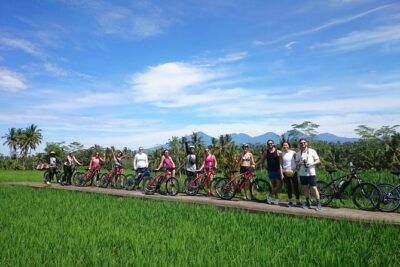 ★ 5.0Electric Cycling Tour of Ubud with Free Hotel Transfer and LunchFrom $411,397 reviews
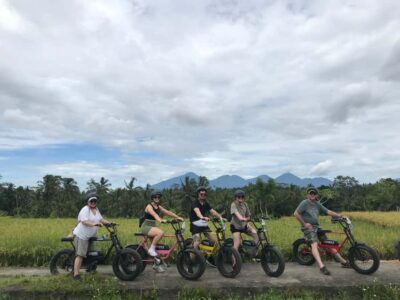 ★ 4.9Rice Terraces & Villages Half-Day Fat Tire E-Bike TourFrom $33602 reviews
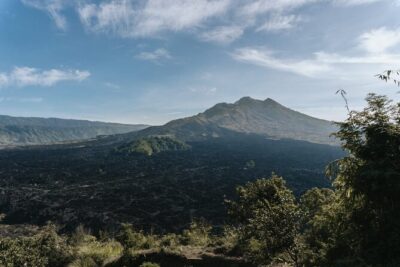 ★ 5.0Downhill Cycling with Volcano, Rice Terraces and MealFrom $36536 reviews
 ★ 5.0Ubud eBikes Tour to Tegallalang Rice TerraceFrom $30507 reviews
 ★ 5.0Half-Day Ubud Electric Cycling Tour to Tirta Empul Water TempleFrom $49315 reviews
Electric Bike Tour in UbudFrom $34281 reviews
★ 5.0Half-Day Ubud Electric Cycling Tour to Tirta Empul Water TempleFrom $49315 reviews
Electric Bike Tour in UbudFrom $34281 reviews
 ★ 5.0Downhill Bike Tour with Rice Fields, Volcano and MealFrom $33267 reviews
 ★ 5.0Kintamani Cultural and Nature Cycling Tour ( Manual Bike )From $33257 reviews
Browse the lists this tour appears in