
Reviewed · SPIRITUAL CLEANSING RITUALS
Discover Balinese fortune telling with convenient on-call service
A palm reading in Bali can be more than guesswork. This experience pairs on-call fortune telling with a local Balinese Guru, then follows it with cultural stops that make the whole day feel grounded.
I especially like the flexible session options—private solo palmistry, a family fortune telling format, or counseling—so you can pick what fits your mood. The second big win is the convenience: free hotel pickup and drop-off plus stops that include Pura Tirta Empul and a coffee tasting.
One possible drawback: if you’re expecting hard predictions, plan for more spiritual talk than “tomorrow will be X” fortune telling. The strongest feedback frames it as insight and knowledge sharing, not just future-telling.
In This Review
- Key things to know before you go
- Why this Ubud session feels practical, not just mystical
- The on-call setup: what you’re really choosing in that 45–60 minutes
- Ubud pickup, small-group pace, and how to keep it comfortable
- Stop at Ubud: how to ask better questions during palmistry or counseling
- Pura Tirta Empul: sacred spring water and purification rituals
- Coffee plantation tasting: a calm breather after the temple
- Value for $80: what makes this price feel fair
- Who this tour suits best (and who might rethink it)
- Quick practical checklist before you book
- FAQ
- How much does the experience cost?
- How long is the tour?
- Is hotel pickup and drop-off included?
- What are the fortune-telling session options?
- Where does the tour take place?
- What’s included in the price?
- Do I need a paper ticket?
- What is the cancellation policy?
- Should you book it?
Key things to know before you go
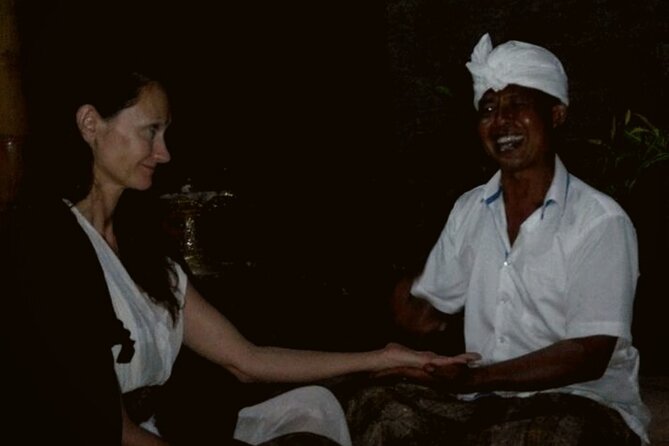
- On-call fortune-telling options let you choose solo palmistry, family sessions, or counseling
- Small group / personal service for a calmer, more interactive experience
- Pura Tirta Empul purification ritual with sacred spring water and temple context
- Coffee plantation tasting as a relaxed follow-up after the spiritual stop
- All fees and taxes included in the $80 price (tips are extra)
Melukat water blessings and healer visits around Ubud.
- Tirta Empul: Temple Tour with Optional Spiritual Cleansing★ 4.9 · 1,257 reviews
- Ubud: Sacred Monkey Forest Sanctuary Ticket and Guided Tour★ 4.8 · 675 reviews
- Taman Beji Griya Waterfall: Holy Bathing/Soul Retreat Ritual★ 4.8 · 634 reviews
- Ubud Tour – Balinese Healing By Shaman And Self Purification★ 5.0 · 236 reviews
Why this Ubud session feels practical, not just mystical
Ubud is packed with things to see, and it’s easy to end up doing the same “check a box” activities as everyone else. What I like about this setup is that the fortune telling is not treated like a side show. It’s built as a real session—45 minutes to about an hour—right when you have the mental space for it.
The other practical win: the tour doesn’t end with a palm reading. You also visit Pura Tirta Empul, where people come for sacred spring water and Hindu purification rituals. That pairing matters because it gives your session more meaning. You’re not only asking questions—you’re also experiencing a place where people go to refresh mind and body.
If you’re the type who prefers “talk with a local” over “perform a ritual for tourists,” this is the kind of format that can feel respectful and useful. Just keep your expectations in the right lane: think guidance and perspective, not a crystal-ball show.
The on-call setup: what you’re really choosing in that 45–60 minutes
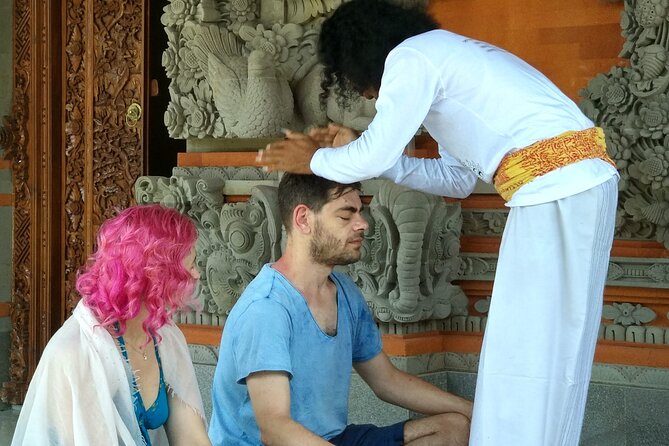
This isn’t a one-size-fits-all fortune telling. The “on-call” part is important because it points to flexibility in how the session works for your group.
Here’s what you can choose from:
- Private solo palmistry: a practitioner reads your palm lines and shares insights into your past, present, and future.
- Family fortune telling: a family-style session where multiple people participate, focused on shared bonds and destinies.
- Counseling sessions: guided by compassionate professionals, aimed at healing and self-discovery.
That list may sound like marketing, but in practice it changes the tone of the conversation. Solo palmistry often feels like personal reflection. A family session tends to bring up relationship patterns—how people connect and where expectations may clash. Counseling leans more toward emotional clarity than predictions.
My advice: pick the option that matches what you need right now. If you’re stressed and want coping strategies, counseling will feel more aligned. If you’re curious and want a structured read, palmistry is the clearer choice.
Ubud pickup, small-group pace, and how to keep it comfortable
The tour starts in Ubud (Gianyar Regency) and returns back to the meeting point. You get hotel pickup and drop-off, which is a big deal in Bali. Local roads can be slow, and a driver plan that actually works lets you spend your energy on the experience instead of traffic.
You’ll also be in a small group with personal service, and the activity is listed as private for your group. That usually means you won’t feel swallowed by a crowd. It also helps if your question list is long—because you’ll be able to ask without feeling rushed.
One small practical tip: fortune telling can get emotionally intense for some people. Plan to keep your schedule light the rest of the day. Even if it’s not “life-changing,” these sessions can leave you thinking.



Stop at Ubud: how to ask better questions during palmistry or counseling
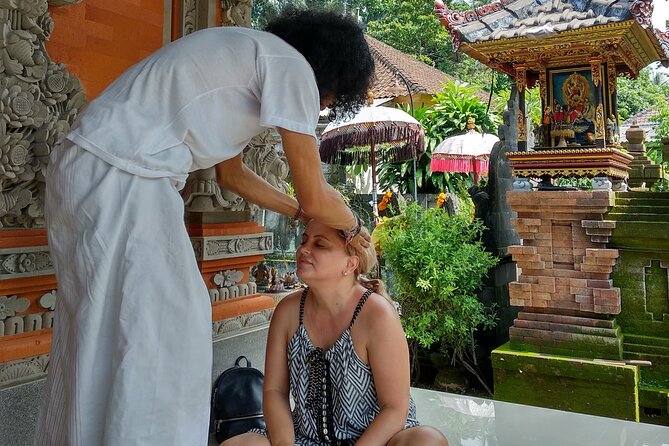
During a palmistry or counseling session, the session length is fixed—about 45 minutes to 1 hour—so your questions matter. If you show up with vague curiosity, you’ll still get an experience, but you may leave wanting more direction.
Instead, try walking in with one or two goals:
- “What patterns should I notice in my relationships?”
- “Where am I stuck, and what’s a practical next step?”
- “What timing themes should I pay attention to?”
For palmistry, your practitioner will focus on your palm lines and interpret them across past, present, and future. For counseling, the emphasis is on healing and guidance, which can feel more like conversation than interpretation.
Here’s the most useful mindset: treat the reading as a mirror, not a verdict. The best outcome is usually clarity—what you already suspect, given a framework to think about it differently.
Also, based on the overall tone of feedback, don’t be surprised if you get more spiritual knowledge sharing than a straight fortune-telling performance. That can actually be a positive. It means you’ll likely walk away with perspective you can use, not just a prediction you forget.
Pura Tirta Empul: sacred spring water and purification rituals
The star cultural stop is Pura Tirta Empul, a water temple with major importance in Balinese Hindu tradition. The focus is the sacred pools and the purification ritual connected to holy spring water—often described in terms of health-enhancing benefits in the local belief system.
What to expect here is a mix of physical ritual and explanation. Your guide should help you understand the purpose of the bathing ritual, including the Hindu idea of purification. That matters because if you show up without context, it can look like “people bathing in a temple.” With context, it becomes a moment of reset.
A couple practical points to keep you comfortable:
- Wear clothing that you can get wet and that feels respectful for a temple setting.
- Expect to slow down. This is not a quick photo stop. The value is in understanding what’s happening and why.
If you like spiritual sites that have real local meaning, this stop is a highlight. It turns the earlier conversation into something tangible: you’re not only talking about self-discovery, you’re also participating in a tradition meant to restore balance.
Coffee plantation tasting: a calm breather after the temple
After the sacred water stop, the tour moves to a coffee plantation for tasting. This is a nice contrast: temple intensity gives way to a relaxed, sensory experience.
Even if you’re not a coffee fanatic, a tasting stop can help you slow down and regroup. You get a break from the spiritual focus, and you can ask questions in a different way—about ingredients, preparation, and local food culture.
One caution: coffee tasting can become a sales push in some places around Bali. This specific detail isn’t guaranteed by the tour info you have, so I won’t pretend it’s hands-off. But if you ever feel pressure, you can still enjoy the tasting portion without committing to purchases.
Look at this stop as your palate cleanser and your timeline buffer. You’ll likely appreciate it after the more structured ritual experience at Tirta Empul.
Value for $80: what makes this price feel fair
At $80 per person, you’re not just paying for a short palm reading. You’re paying for:
- a guided fortune telling session (45 minutes to about an hour),
- temple time at Pura Tirta Empul with context,
- a coffee tasting stop,
- plus hotel pickup and drop-off,
- with all fees and taxes included.
Tips are not included, so budget for that if you think your guide did a good job.
Why this pricing can feel reasonable: a lot of Bali “mysticism” add-ons are either cheap and informal or expensive with little guidance. Here, the session is structured and paired with meaningful sightseeing that has a local framework. You get both conversation and cultural immersion without needing to plan multiple days.
If you’re comparing this to booking a temple driver plus a separate fortune teller, the included transport can matter a lot—especially when you want a smooth day that doesn’t turn into extra waiting and bargaining.
Who this tour suits best (and who might rethink it)
This works especially well if you:
- want a local, guided fortune-telling experience in Ubud,
- like spiritual context as part of travel, not just entertainment,
- want a single tour that mixes conversation and culture,
- appreciate small group, personal service and included pickup/drop-off.
It may be less ideal if you:
- only care about practical sightseeing and hate any “mystical” element,
- expect a Hollywood-style fortune show with zero explanation,
- prefer long, slow exploration with lots of free time.
Based on feedback tone, the session often feels like insight and spiritual knowledge sharing. If you’re open to that, you’re likely to enjoy it more than someone hunting for predictions.
Quick practical checklist before you book
- Bring swimwear or quick-dry clothing if you plan to participate comfortably at Tirta Empul.
- Pick your session type based on what you want: palmistry for personal reflection, counseling for healing-focused guidance, or family sessions for shared themes.
- Plan to stay mentally open. You’ll likely learn themes that take a bit of time to sink in.
- Be ready for a bit of temple etiquette. It’s not about strictness—it’s about respect.
FAQ
How much does the experience cost?
The price is $80.00 per person.
How long is the tour?
The duration is listed as 45 minutes to 1 hour (approx.).
Is hotel pickup and drop-off included?
Yes. Free hotel pickup and drop-off are included.
What are the fortune-telling session options?
You can choose Private Solo Palmistry, Family Fortune Telling, or a Counseling session, depending on what fits your group.
Where does the tour take place?
The experience starts in Ubud, Gianyar Regency, Bali, Indonesia and ends back at the meeting point.
What’s included in the price?
The tour includes all fees and taxes. A tip is not included.
Do I need a paper ticket?
No. It includes a mobile ticket.
What is the cancellation policy?
This experience is non-refundable and cannot be changed for any reason.
Should you book it?
If you want more than a quick palm reading, I’d say yes. The best part is the pairing: a structured fortune-telling session with a local spiritual lens, followed by Pura Tirta Empul purification rituals and a relaxed coffee tasting. You’ll likely walk away with both perspective and a memorable cultural anchor.
Book it if you like calm, guided experiences with personal service and you can accept that the “fortune” may come packaged as insight rather than instant predictions. Skip it only if you’re determined to get strictly factual answers and nothing spiritual.
More Ubud Tours We Rate




Cleansing & Healing Rituals
Just added around Ubud
- Ubud: White Water Rafting with visit Ubud Monkey Forest
★ 5.0 · 3 reviews - Private Guided Bali Car Charter
★ 5.0 · 3 reviews - East Bali and Lempuyang Temple Tour
★ 5.0 · 3 reviews - Bali Downhill Cycling and White Water Rafting
★ 5.0 · 3 reviews - Cave Tubing Adventure in Ubud
★ 5.0 · 3 reviews
Spiritual Cleansing Rituals, compared.
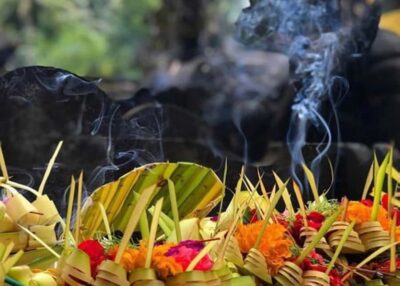 ★ 4.9Tirta Empul: Temple Tour with Optional Spiritual CleansingFrom $241,257 reviews
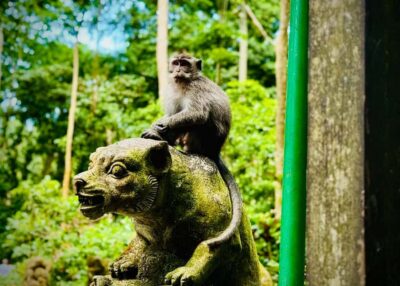 ★ 4.8Sacred Monkey Forest Sanctuary Ticket and Guided TourFrom $16675 reviews
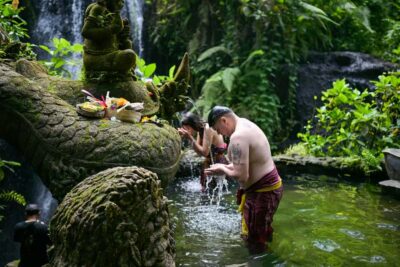 ★ 4.8Taman Beji Griya Waterfall: Holy Bathing/Soul Retreat RitualFrom $29634 reviews
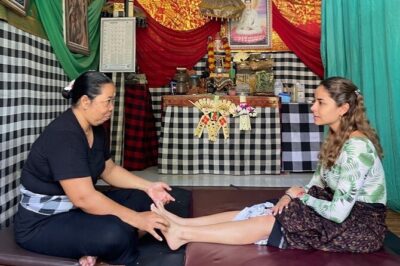 ★ 5.0Ubud Tour – Balinese Healing By Shaman And Self PurificationFrom $74236 reviews
Melukat Ceremony and Temple Tour at Tirta Empul TempleFrom $29218 reviews
★ 5.0Ubud Tour – Balinese Healing By Shaman And Self PurificationFrom $74236 reviews
Melukat Ceremony and Temple Tour at Tirta Empul TempleFrom $29218 reviews
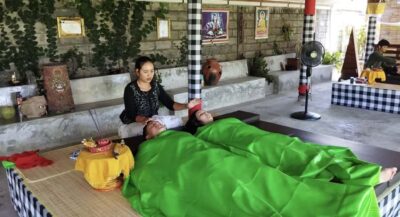 ★ 4.5Spiritual Cleansing, Palm Reading, & Trauma HealingFrom $27217 reviews
 ★ 4.8Soul Retreat & Holistic Mantra Healing ExperiencesFrom $48144 reviews
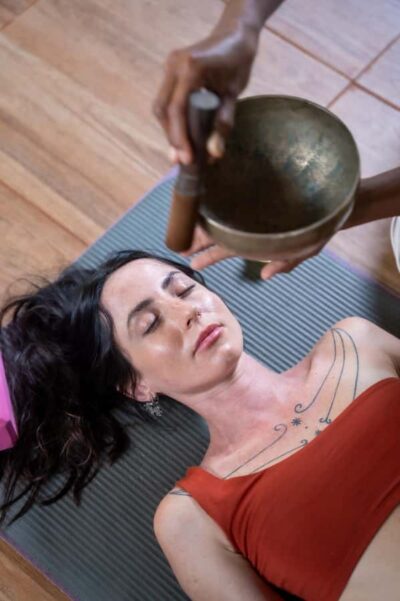 ★ 4.8Ubud Sound Yoga & Energy Healing ExperienceFrom $29112 reviews
Browse the lists this tour appears in