
Reviewed · SPIRITUAL CLEANSING RITUALS
Bali: Ubud Traditional Balinese Purification
Balinese purification is one of the few tourist experiences that feels truly personal, because you follow real ceremony steps in real sacred space. This Ubud day pairs the melukat purification at Tirta Empul with big-name sites like Goa Gajah and Gunung Kawi, so you get both meaning and atmosphere, not just a quick temple photo stop.
Two things I like a lot: the focus on the spiritual process (prayers, offerings, and holy water blessings) and the way the day connects the sites with stories—guides like Wayan Sana and Made are repeatedly praised for explaining what you’re seeing in plain language. One key consideration: women who are menstruating can’t join the purification or enter the temple area, due to Balinese Hindu customs.
In This Review
- What makes this tour worth your time in Ubud
- Key things to know before you go
- Melukat at Tirta Empul: the main event
- Goa Gajah (Elephant Cave): demons, carvings, and meditation vibes
- Gunung Kawi Temple: rock shrines in the rice-and-river world
- The flow of the day in Ubud: smooth, not rushed
- Price and value: what $29 really covers
- Who this tour is perfect for (and who should rethink it)
- Quick packing tips that make melukat easier
- Should you book this Ubud purification day?
- FAQ
- How long is the Bali Ubud Traditional Balinese Purification experience?
- Where does the tour start?
- Which sites are included besides the purification ritual?
- Is the tour private?
- Is the guide/driver English-speaking?
- Is melukat at Tirta Empul included, and what does it involve?
- Are admission fees and meals included in the price?
- Who cannot participate in the purification ritual?
- Can I cancel for a refund?
What makes this tour worth your time in Ubud
A private group plus hotel pickup means your schedule stays calm. You’re also not left to guess your way through temple etiquette. The water part at Tirta Empul can be physical (one guest mentioned walking waist-high into the water), so bring swimwear if you think you’ll want it and plan to dress with water in mind.
You’ll still want to budget extra for admissions and your own meals. And if you want a long, slow, purely nature-focused day, the pace is built around three main sacred stops.
Melukat water blessings and healer visits around Ubud.
- Tirta Empul: Temple Tour with Optional Spiritual Cleansing★ 4.9 · 1,257 reviews
- Ubud: Sacred Monkey Forest Sanctuary Ticket and Guided Tour★ 4.8 · 675 reviews
- Taman Beji Griya Waterfall: Holy Bathing/Soul Retreat Ritual★ 4.8 · 634 reviews
- Ubud Tour – Balinese Healing By Shaman And Self Purification★ 5.0 · 236 reviews
Key things to know before you go
- Melukat at Tirta Empul is the centerpiece: prayers, offerings, and holy water blessings guide the cleansing.
- Three iconic sites in one day: Goa Gajah (Elephant Cave), Gunung Kawi, and Tirta Empul.
- Private group feel: less waiting, more flexibility, and easier photo moments.
- Strong guide energy: names like Wayan Sana, Jack, Made, and Dewa show up often—people mention helpful explanations and extra care.
- Temple-ready planning matters: you may need sarongs and you must respect the no-entry rule during menstruation.
Melukat at Tirta Empul: the main event
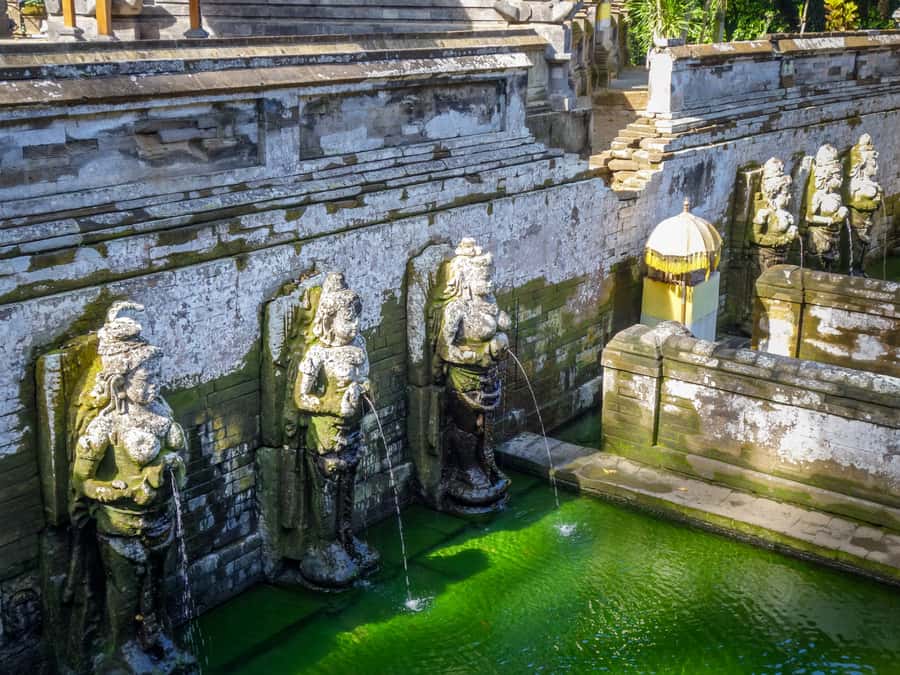
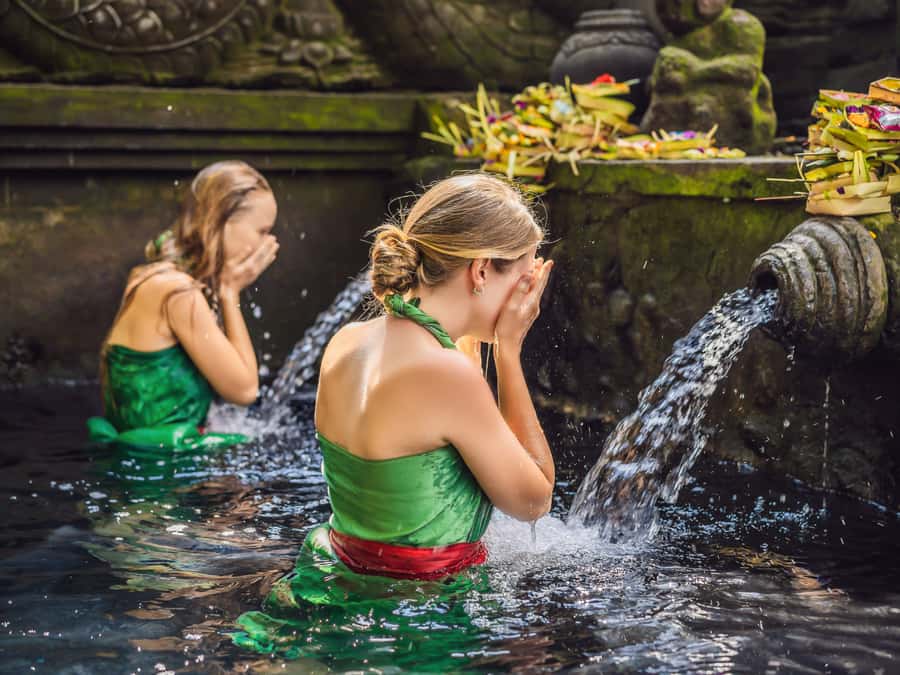
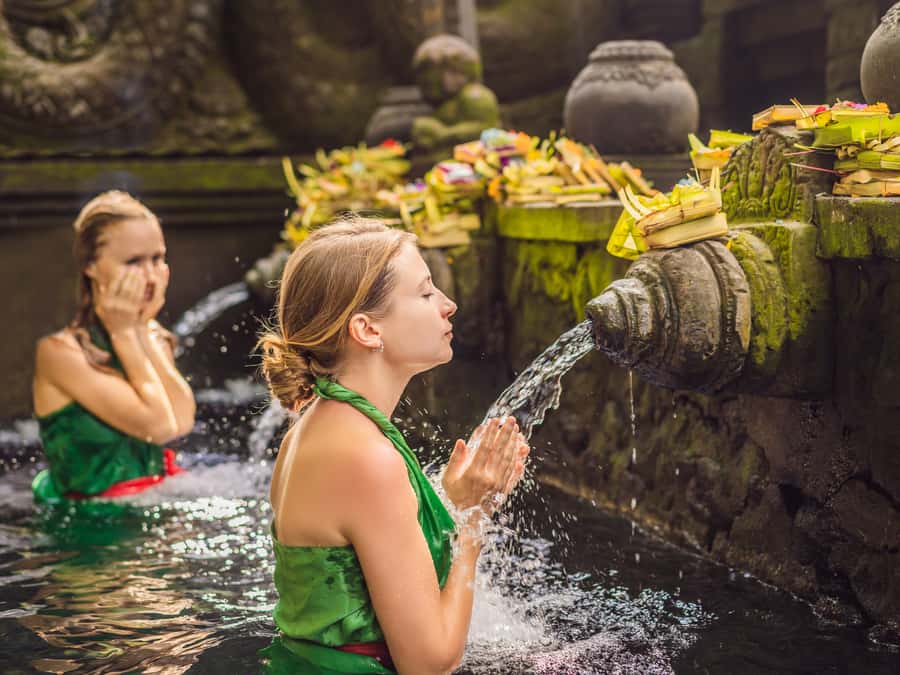
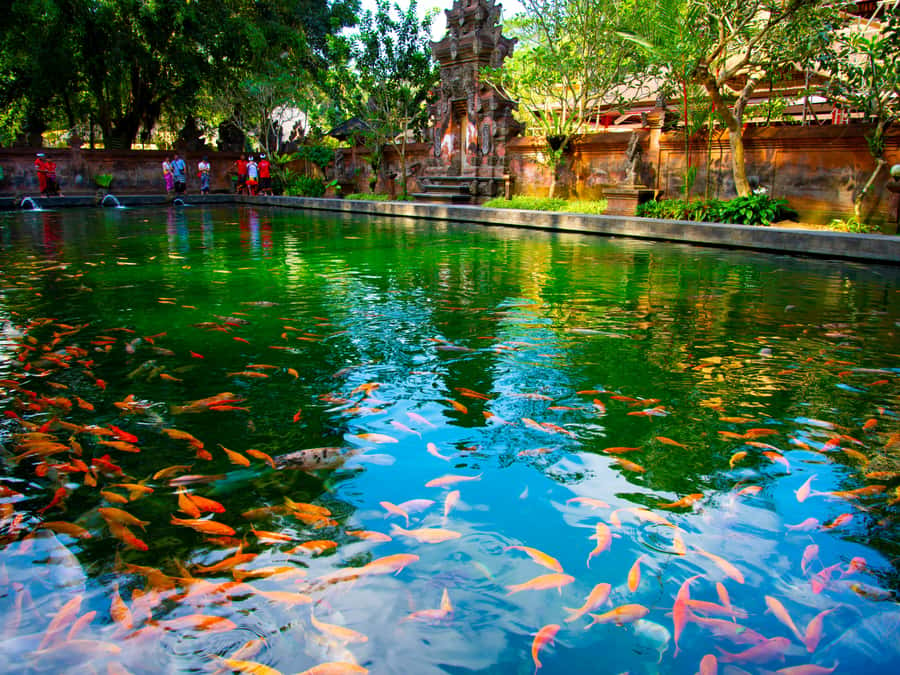
Tirta Empul is where the day turns from sightseeing into ritual. The temple complex is known for its sacred spring water, associated with purification, and it’s dedicated to Vishnu. What you’re doing in the melukat ceremony is not just getting wet. You’re guided through a sequence that involves prayers and offerings, plus holy water blessings meant to cleanse body, mind, and spirit.
Here’s the practical side. The water ritual can involve walking into the spring water—one guest specifically noted waist-high walking—and you may want to change into bathers. That same guest said there was a changing room and locker use available, which can make the whole thing far less stressful. You’ll also likely be asked about clothing fit and temple etiquette. A couple of guests mention being guided to obtain sarongs, so pack light, keep a spare set of clothing handy, and assume sarongs may be part of the process.
I also like that guides generally treat the ceremony as something you can understand, not just something to stand near. People mention guides taking photos during the ritual and choosing good angles for where you should stand or move. That matters, because melukat is a specific flow. If you’re fumbling, you miss the meaning and you spend the whole time worried about your phone.
Small-but-important respect note: this tour follows local Balinese Hindu rules. If you’re a woman currently menstruating, you can’t join the purification ritual or enter the temple area.
Goa Gajah (Elephant Cave): demons, carvings, and meditation vibes
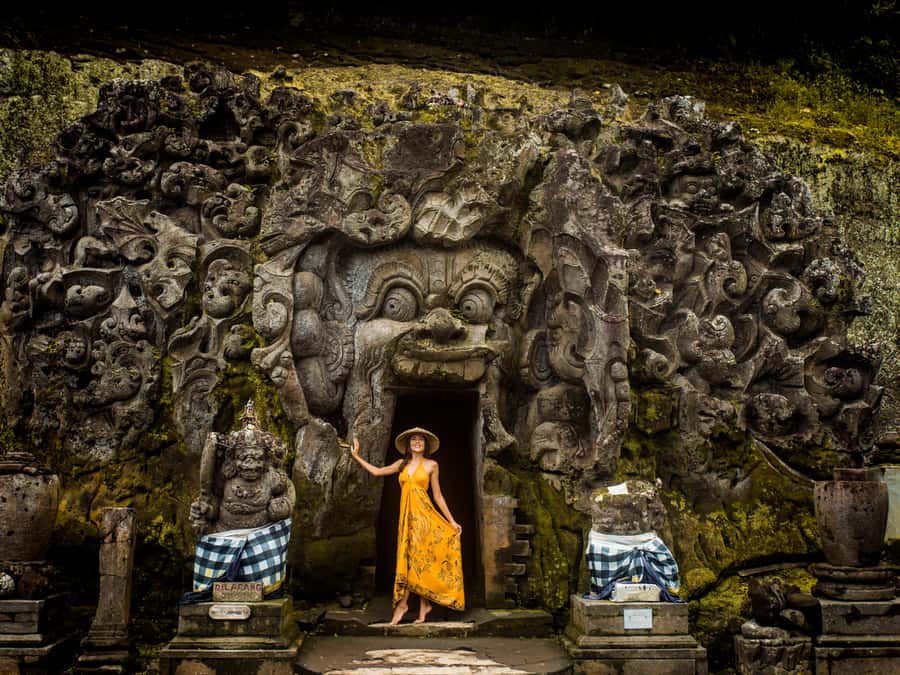
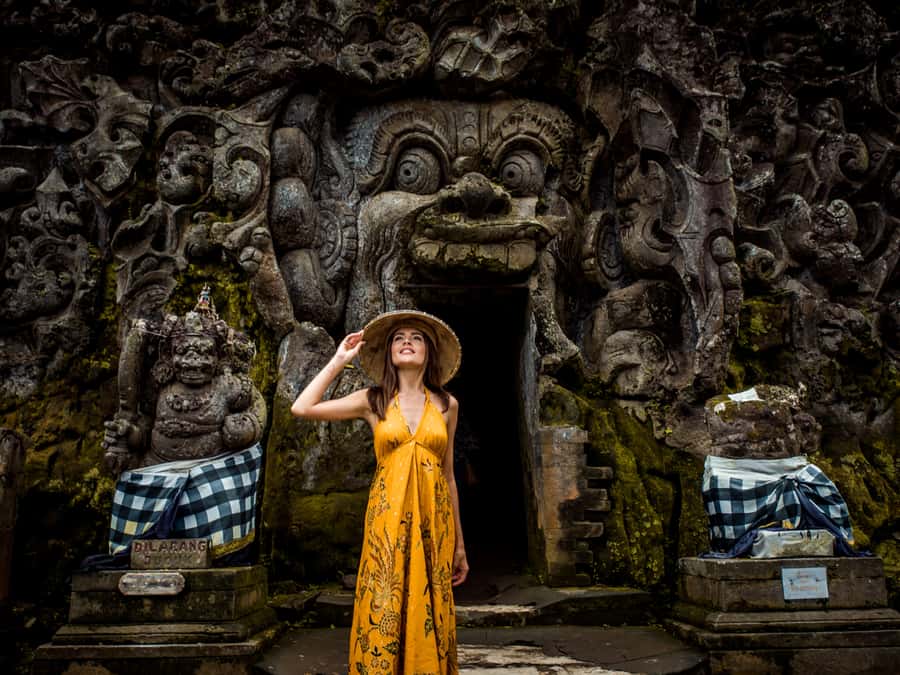
Goa Gajah is the kind of place that makes Bali feel older than your camera roll. The site dates back to the 9th century and includes a cave with intricate carvings—demons, mythical creatures, and Hindu deities. The cave is in the village area of Bedulu, and it’s long been associated with sanctuary or meditation and spiritual reflection.
What I think works well for you here is the contrast. You start the day with stone and symbolism before the water ceremony. The cave carvings give you something concrete to focus on. You’re not just staring at architecture. You’re learning the stories behind it—something your guide can help with. Several guides in past tours were praised for being factual and friendly, and even adding quick context so you understand why the carvings look the way they do.
Time-wise, Goa Gajah is typically a shorter stop (about 1.5 hours in the planned flow), which is actually a plus. The site has character, but you don’t want to overstay and turn it into a checklist.
Practical note: expect a bit of walking and uneven ground. Wear shoes you trust. If you’re going to Tirta Empul right after, avoid anything that’s going to be annoying to rinse later.




Gunung Kawi Temple: rock shrines in the rice-and-river world
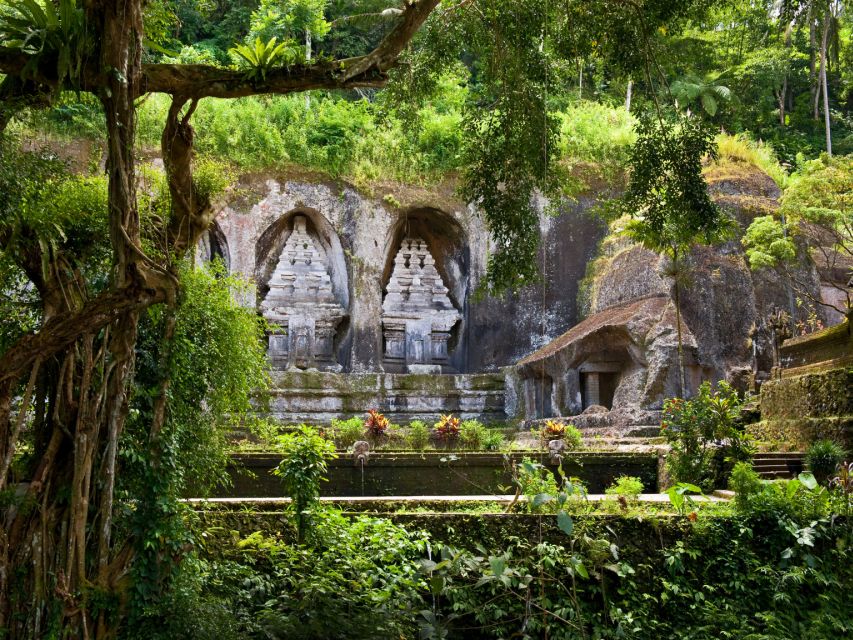
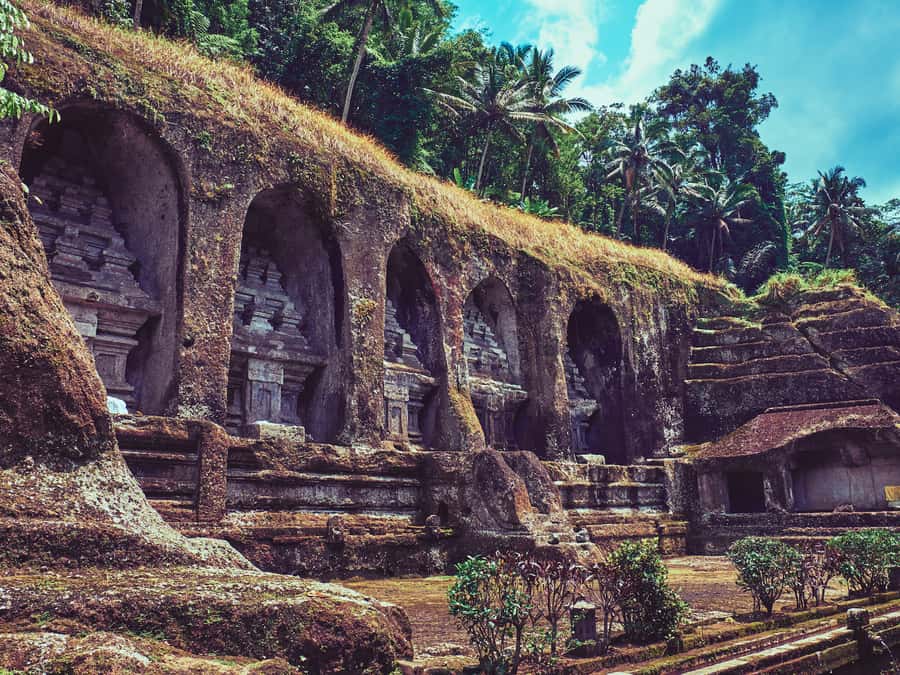
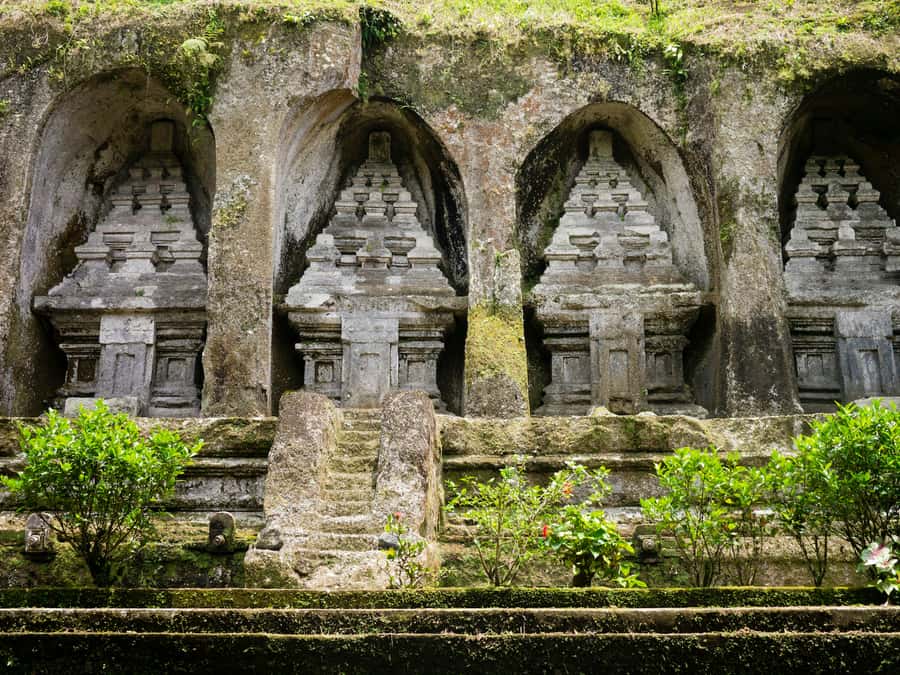
Gunung Kawi Temple is one of those places where the setting does half the job. It’s an ancient rock-cut shrine complex from around the 11th century, and it sits in rice terraces and river valleys. The temple features stone carvings of shrines dedicated to King Anak Wungsu and his queens.
If Tirta Empul is about cleansing, Gunung Kawi feels more about presence. You’re looking at older stonework, the kind that makes you slow down without being told. The river valley setting adds a quiet mood, and the carvings give your eyes something to do as you move between viewpoints.
One thing I love here is how it connects to the idea of worship spaces on Bali. This isn’t a museum display. The shrine complex sits in an active landscape, and you can feel how people would see it as both sacred and lived-in.
Planned time for this stop is about 1 hour, so you’ll want to pay attention to where your guide directs you. If you want better photos, ask early. A few guests mention guides actively helping with photos and recommending vantage points, which is where a good guide earns their keep.
The flow of the day in Ubud: smooth, not rushed
This is a 6-hour day built around three main stops plus the time it takes to do melukat properly. The schedule matters because it affects your comfort with clothing and water. Doing Tirta Empul second in the day helps. You’re already out in the sacred zone, so you don’t have to re-plan your afternoon.
Pickup is from your hotel or nearby area in Ubud. You’ll wait in the lobby or at a clear pickup spot at the specified time. If needed, the driver or guide reaches out to coordinate. One practical detail: you’ll need your online ticket before boarding. So don’t treat that like a last-minute step.
Transport quality is a real selling point for this day. The ride has scored very well for comfort and reliability, and you’ll likely appreciate that when you’re hopping between Ubud sites. Even if you’re not a “comfort person,” the extra car minutes add up when you’re also doing ceremonial walking and temple climbing.
Language is English with an English-speaking driver. Since so much of this experience depends on understanding what you’re seeing, that’s a big part of the value.
Price and value: what $29 really covers
At about $29 per person, this tour is built around transportation and guided access, not luxury. Here’s what you do get in that price range:
- Hotel pickup in Ubud (or nearby)
- Guided visits across the key sites
- Comfortable transportation to and from the stops
- Parking fees
What you don’t get: admission fees for the attractions, and meals. Some refreshments may be provided, but you’ll still need to plan for lunch and dinner on your own.
So is it good value? For me, yes—if you want one day where your driver also acts like your interpreter for temple meaning. When guides do their job (and the names Wayan Sana, Jack, Made, and Dewa show up often for a reason), you get more than postcard views. You get the “why” behind the carvings and the ritual steps.
If your goal is only to snap quick exterior photos, you might feel less satisfied. But if you care about how Balinese Hindu tradition works and you like understanding the places you’re standing in, the price makes sense.
Who this tour is perfect for (and who should rethink it)
This is ideal if you want a cultural day that’s not random. You like structure: cave first, purification center second, rock shrine third. You want a guide who explains history and meaning in a way you can actually use while you’re there.
It’s also a strong fit if you’re staying in Ubud and want a short day that still hits the big spiritual hits: Goa Gajah, Gunung Kawi, and Tirta Empul.
Who might not love it:
- If you need a strictly non-religious sightseeing day, melukat is the centerpiece, so the tone is spiritual.
- If you have mobility concerns, walking and water exposure at Tirta Empul could be an issue. The tour data points to walking into water during purification, so plan accordingly.
- If you’re a woman currently menstruating, you can’t join the ritual or enter the temple area.
Quick packing tips that make melukat easier
Bring a practical outfit plan. The goal is to feel ready for both temple walking and water steps.
- Bring swimwear or an outfit you can handle for the purification water
- Wear shoes you can walk in comfortably (and that won’t hate damp conditions)
- Pack a change of clothes for after Tirta Empul
- If sarongs are needed, be prepared to get one on-site (some guides help you obtain them)
- Have your online ticket ready before boarding
If you’re a phone photographer, accept that ceremony moments can be more meaningful when you’re not constantly trying to frame the perfect shot. Let the flow lead you, and take photos when the guide signals you can.
Should you book this Ubud purification day?
Book it if you want a day that mixes real ceremony with major Ubud temple stops, and you appreciate guides who explain the why behind what you see. The private-group format plus hotel pickup makes it easy. And because melukat is the centerpiece, you’ll leave with a memory that feels different from the usual temple-touring circuit.
Skip it (or choose a different style of tour) if you’re not comfortable with religious customs, if the water part sounds like a deal-breaker, or if the menstruation rule applies to you. Otherwise, this is a solid, meaning-forward day in Ubud—one where your guide can turn stone carvings and sacred water into something you actually understand.
FAQ
How long is the Bali Ubud Traditional Balinese Purification experience?
It lasts about 6 hours.
Where does the tour start?
Pickup is included from your hotel or villa in Ubud (or nearby areas).
Which sites are included besides the purification ritual?
The tour includes Goa Gajah, Tirta Empul, and Gunung Kawi Temple.
Is the tour private?
Yes, it’s listed as a private group.
Is the guide/driver English-speaking?
The driver is English-speaking.
Is melukat at Tirta Empul included, and what does it involve?
You join the traditional Balinese purification ritual called melukat, which includes prayers, offerings, and holy water blessings.
Are admission fees and meals included in the price?
Admission fees are not included, and meals are not included (some refreshments may be provided).
Who cannot participate in the purification ritual?
Women who are on their period are not permitted to join the purification ritual or enter the temple area, following Balinese Hindu customs.
Can I cancel for a refund?
You can cancel up to 24 hours in advance for a full refund.
More Ubud Tours We Rate





Cleansing & Healing Rituals

Just added around Ubud
- Ubud: White Water Rafting with visit Ubud Monkey Forest
★ 5.0 · 3 reviews - Private Guided Bali Car Charter
★ 5.0 · 3 reviews - East Bali and Lempuyang Temple Tour
★ 5.0 · 3 reviews - Bali Downhill Cycling and White Water Rafting
★ 5.0 · 3 reviews - Cave Tubing Adventure in Ubud
★ 5.0 · 3 reviews
Spiritual Cleansing Rituals, compared.
 ★ 4.9Tirta Empul: Temple Tour with Optional Spiritual CleansingFrom $241,257 reviews
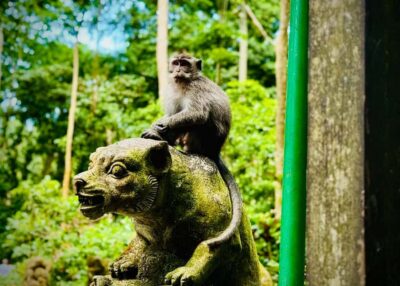 ★ 4.8Sacred Monkey Forest Sanctuary Ticket and Guided TourFrom $16675 reviews
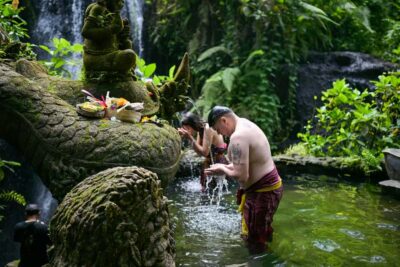 ★ 4.8Taman Beji Griya Waterfall: Holy Bathing/Soul Retreat RitualFrom $29634 reviews
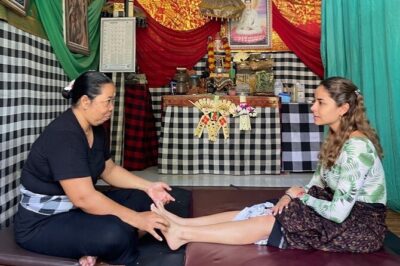 ★ 5.0Ubud Tour – Balinese Healing By Shaman And Self PurificationFrom $74236 reviews
Melukat Ceremony and Temple Tour at Tirta Empul TempleFrom $29218 reviews
★ 5.0Ubud Tour – Balinese Healing By Shaman And Self PurificationFrom $74236 reviews
Melukat Ceremony and Temple Tour at Tirta Empul TempleFrom $29218 reviews
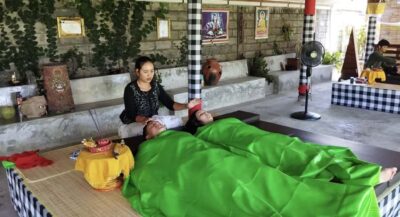 ★ 4.5Spiritual Cleansing, Palm Reading, & Trauma HealingFrom $27217 reviews
 ★ 4.8Soul Retreat & Holistic Mantra Healing ExperiencesFrom $48144 reviews
 ★ 4.8Ubud Sound Yoga & Energy Healing ExperienceFrom $29112 reviews
Browse the lists this tour appears in