
Reviewed · UBUD WATERFALL TOURS
Bali ubud : monkey forest, waterfall , temple
Monkeys, temples, waterfalls in one Ubud loop. I love how this route pairs Sacred Monkey Forest Sanctuary with the Tirta Empul holy spring, so you see Bali’s animal side and spiritual side in the same day. It also keeps things efficient, with hotel pickup and a driver who stays with you, guiding you through the countryside highlights around Ubud.
The main drawback to plan for: entrance fees aren’t included, and your schedule is built around a 10-hour window. If your timing stretches, you may need to be ready for extra costs or updated plans on the day.
In This Review
- Key things to know before you go
- A Small-Group Ubud Day That Pairs Nature and Rituals
- Pickup to Drop-Off: The Rhythm of a 10-Hour Loop
- Sacred Monkey Forest Sanctuary: Walking Among Long-Tailed Macaques
- Coffee Plantation Stop and Luwak Coffee: The Unusual Story
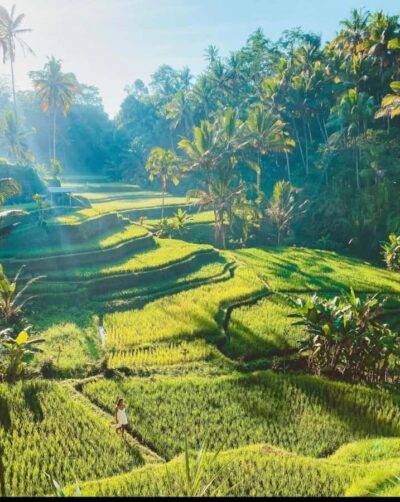
- Tegalalang Rice Terrace and Swing Views: Why This Scene Feels So Classic
- Tirta Empul Temple: The 10th-Century Holy Spring Cleansing Rituals
- Tegenungan Waterfall: Photo Time and the Chance for a Dip
- Price, Entrance Fees, and When to Budget Extra Time
- Should You Book This Ubud Monkey Forest Waterfall Temple Tour?
- FAQ
- How long is the Bali Ubud monkey forest, waterfall, and temple tour?
- Is hotel pickup and drop-off included?
- Are entrance fees included in the price?
- How large is the group?
- Is there a private guide?
- What language is the host or greeter?
- What should I bring?
- Is this tour suitable for everyone?
Key things to know before you go
- Small group (up to 6) with a private English-speaking guide and driver for a more personal pace.
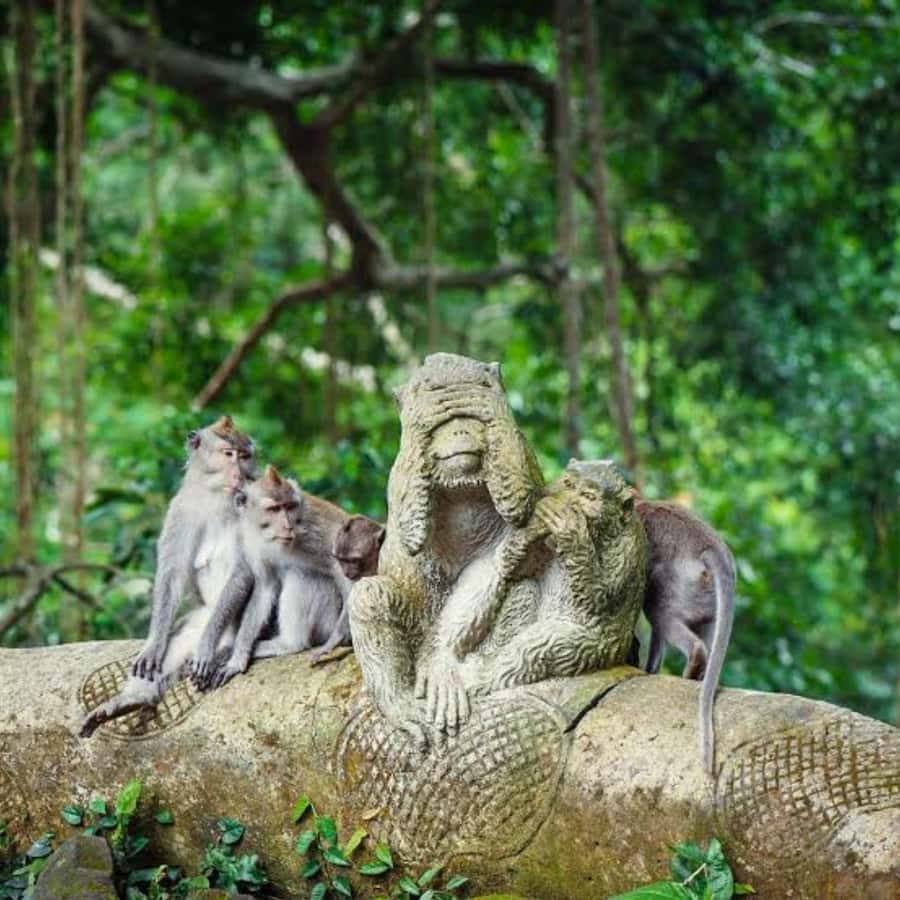
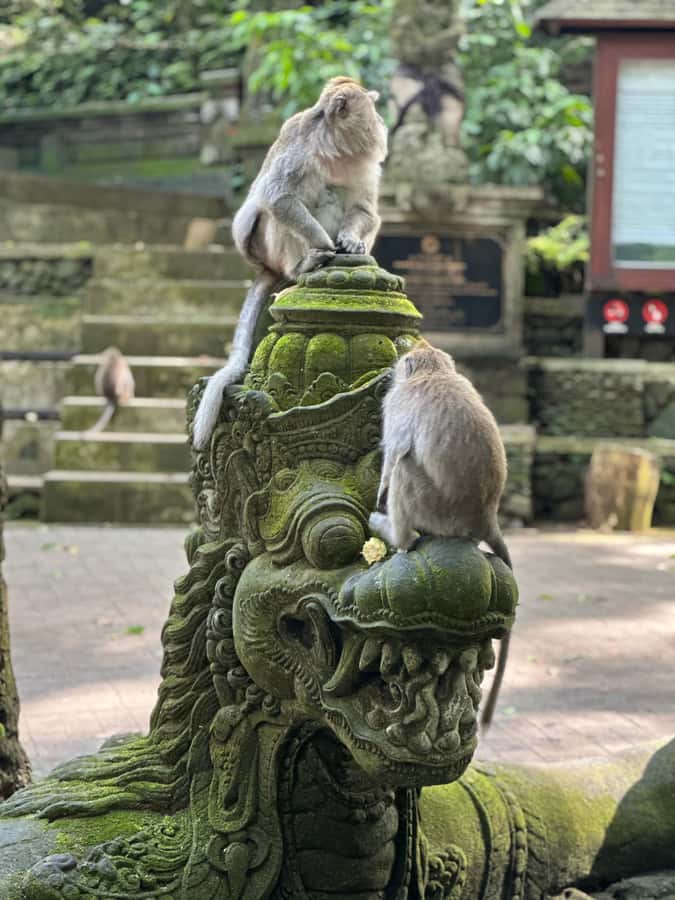
- Monkey Forest has 1,200+ long-tailed macaques, plus temples inside the sanctuary area.
- Coffee plantation stop includes luwak coffee history, including how beans are processed after jungle cat digestion.
- Tegalalang Rice Terrace is the classic Bali farm landscape, with a swing photo stop and jungle view options.
- Tirta Empul (10th century) is a Hindu water temple where cleansing rituals happen in the holy spring.
- Tegenungan Waterfall sits about a half-hour from Ubud, with great photo angles and (when conditions allow) a pool at the base.
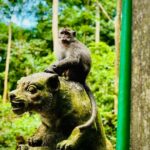
Long-tailed macaques and mossy temple gates, up close.
- Ubud: Monkey Forest, Jungle Swing, Rice Terrace, and Water Temple★ 5.0 · 7,160 reviews
- Ubud: Full-Day Rice Terrace, Monkey Forest & Waterfall★ 5.0 · 2,634 reviews
- Hands-On Silver Jewelry Making Near Ubud’s Monkey Forest★ 4.9 · 1,789 reviews
- Ubud: Monkey Forest, Ceking Rice Terraces and More– Full Day★ 4.7 · 917 reviews
A Small-Group Ubud Day That Pairs Nature and Rituals
This tour is built like a best-of Ubud mashup: monkeys in the morning, rice terrace scenery mid-day, then temple cleansing and a waterfall at the end. If you’re the kind of traveler who likes variety in one day (instead of saving everything for next time), this fits your style.
What makes it feel “worth it” is the way the stops connect. Monkey Forest isn’t just about seeing animals; it’s also about walking through a sacred sanctuary landscape with temples in the mix. Then you shift to Balinese farming visuals at Tegalalang, and you finish with spiritual water rituals at Tirta Empul before heading to a natural set-piece like Tegenungan.
I also like that you’re not stuck trying to figure out routes, parking, or timing. You’re with a driver who acts as your tour guide, and you get hotel pickup and drop-off. That reduces stress, especially if you only have one day in Ubud.
One more real-life plus: this tour is limited to a small group of 6, which usually means more flexibility with timing than big bus tours. And based on past experiences with drivers on this route, the best days are the ones where your driver is calm, polite, and gives you the time you need at each stop.
Pickup to Drop-Off: The Rhythm of a 10-Hour Loop
Hotel pickup is included, and you’re expected to be ready in your accommodation lobby. The day is designed around about 10 hours, including travel between sites and your time at each main stop.
In practice, the quality of the day often comes down to pacing. You’ll want enough time to enjoy the walks at Monkey Forest and actually see what’s happening on the rice terraces, not just sprint from photo spot to photo spot. A good driver-guide helps by timing things so you’re not always rushing back to the car.
There are examples of drivers doing this well. One driver name that comes up is Adik, described as pleasant, kind, and calm, with good pacing. Another name is Jana, described as extraordinary and a top pick for a circuit like this. When the driving is smooth and the schedule stays realistic, the tour feels like a guided day out instead of a check-list.
Still, there’s a timing risk you should keep in mind. One person reported a late start after booking confirmation. Another mentioned extra money being requested after the tour’s stated time window. To avoid surprises, I’d suggest two simple habits: keep your phone handy for pickup updates, and build in some buffer for entrance lines and on-site breaks. Also remember that you’ll likely need to pay entrance fees separately.
Sacred Monkey Forest Sanctuary: Walking Among Long-Tailed Macaques
This is the emotional opener of the day. The Sacred Monkey Forest Sanctuary is home to over 1,200 monkeys, and you explore their space on foot. You’ll walk alongside long-tailed macaques in a lush, forested environment, with temples also part of what you’re seeing.
The feeling here is different from a zoo visit. Instead of exhibits, you’re sharing the same environment. That makes your timing and attention matter: keep your eyes up, watch where you step, and follow your guide’s instructions so you don’t end up in the wrong spot.
Beyond the monkeys, I like that the sanctuary includes elaborate temples in the area. That means your visit isn’t only about wildlife viewing. It’s also about understanding the sacred context that makes the monkey forest more than an attraction.
Photo-wise, Monkey Forest can be great, but it’s not the kind of place where you’ll get ideal shots if you’re constantly trying to out-run animals. The better approach is to slow down and let the scene come to you. If you want cleaner photos, give yourself space and wait for brief quiet moments.
If you’re sensitive to animal closeness, this stop may feel intense. And if you have mobility challenges, it’s worth noting the tour isn’t designed for people with mobility impairments, likely because of walking and uneven paths.
Chase another hidden cascade around Ubud.
Coffee Plantation Stop and Luwak Coffee: The Unusual Story
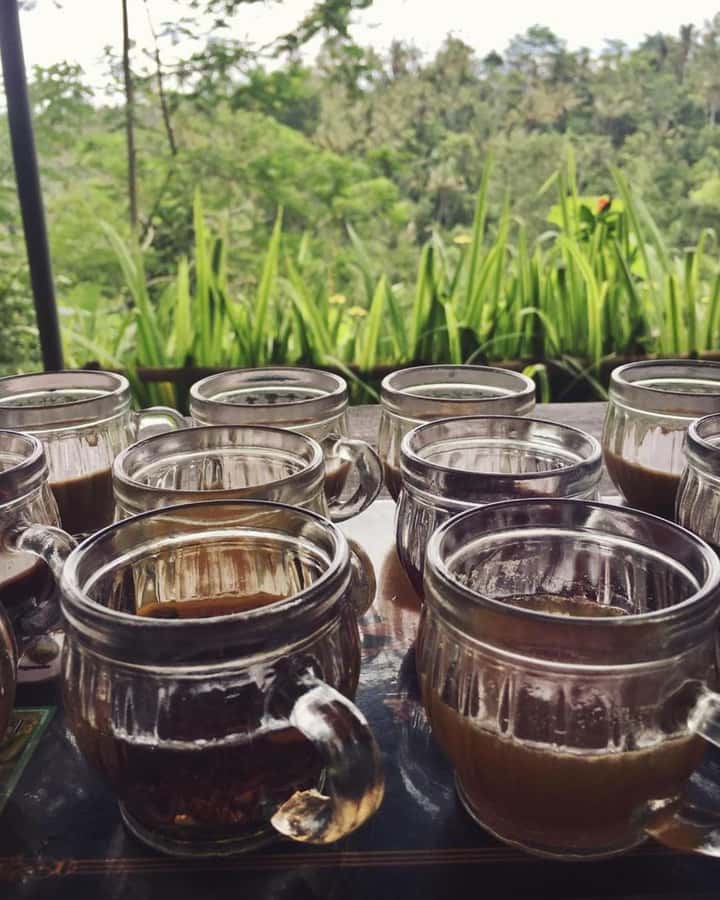
After the forest, the day shifts into a more structured cultural stop: a coffee plantation visit. You’ll learn about how coffee is produced, including the story behind luwak coffee—often called the most expensive coffee in the world.
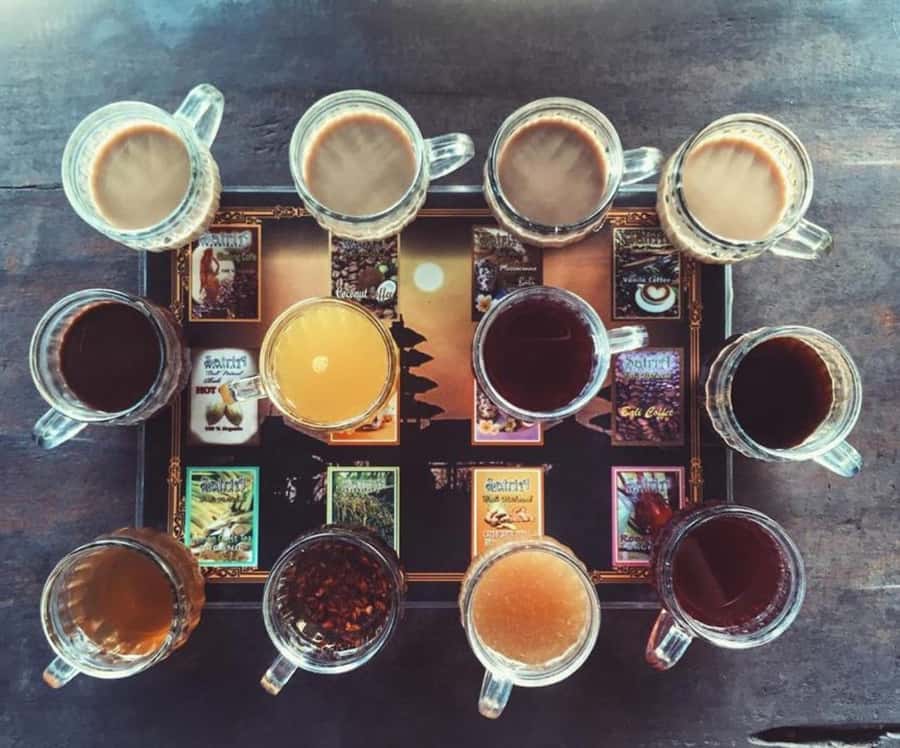
Here’s the key detail you’ll hear: the method involves coffee beans being eaten and defecated by jungle cat, then collected from the forest floor after processing. It’s one of those Bali experiences that sounds wild on paper, then becomes oddly fascinating once you see the explanation and how the plantation presents it.
You’ll also sample other coffees and teas made at the plantation. And there’s usually an option to taste luwak coffee as well, depending on what you’re curious about and what’s being offered that day.
A practical note: coffee plantation stops can vary in how they feel. Some are educational and informative; others feel like they’re nudging you to buy. The best way to keep it balanced is to go in for the learning and sampling, then decide on purchases based on what you genuinely want to bring home.
If you’re a coffee nerd, you’ll enjoy the science-and-story aspect. If you’re not, treat it as a break from walking and a chance to reset before the rice terraces. Either way, it’s a good middle chapter in the day’s mix of nature, culture, and flavor.
Tegalalang Rice Terrace and Swing Views: Why This Scene Feels So Classic
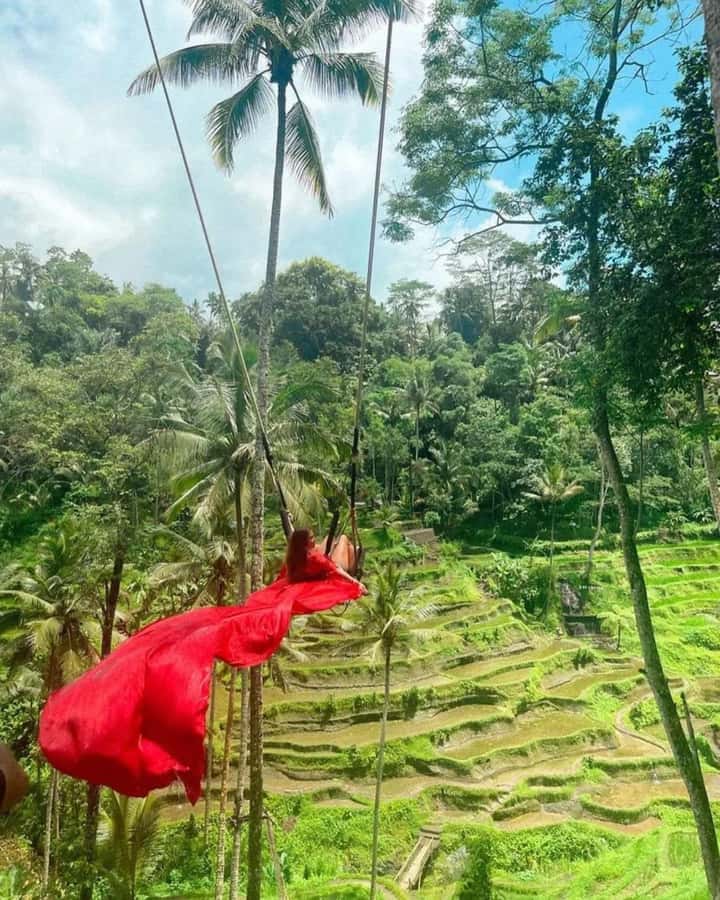
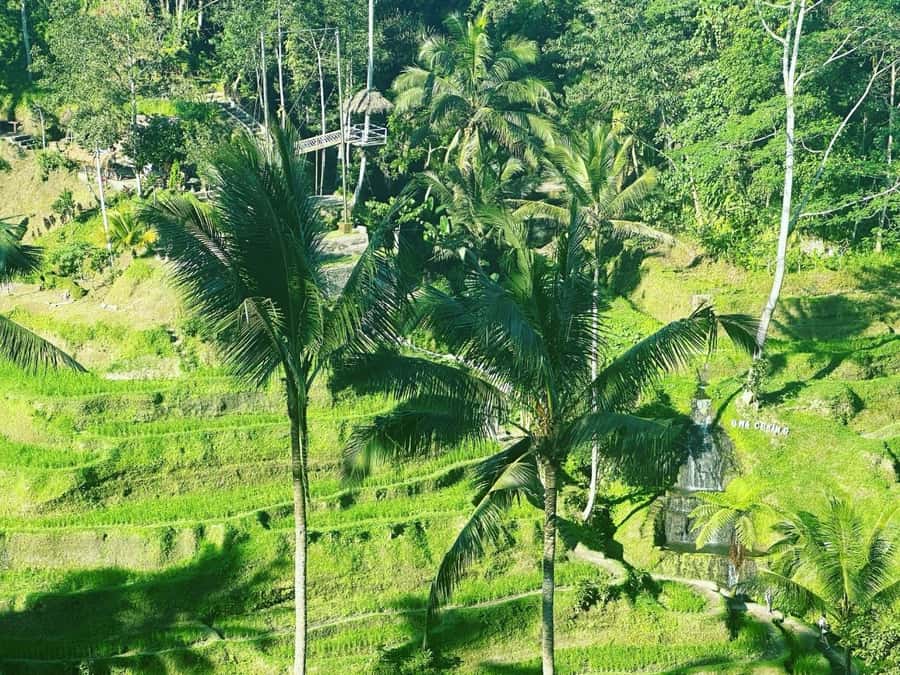
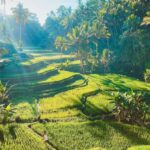
Next up is Tegalalang Rice Terrace, one of the most iconic rice terrace landscapes around Ubud. This stop is less about history text and more about visual proof: you’re looking at rice terraces stacked across the hillside, with green coconut plants in the scene and a clear sense of how active farming shapes the landscape.
You’ll also see elements of farmer activities in the terraces, which makes it more than just a viewpoint. The value here is simple: rice terraces aren’t a random backdrop in Bali. They’re tied to how people live, plant, and work the land.
You’ll also get a swing photo experience tied to the rice terrace or jungle views. If you like fun, this is a chance to grab a classic photo angle. If you don’t, you can still enjoy the terrace views without making it your whole focus. Either way, it’s a useful stop because it breaks the day up: you can rest your legs, take photos, and just watch the countryside rhythm.
Timing matters at rice terraces. Mid-day heat can be real, and walkways can be slippery when the light gets harsh. If you’re wearing sandals or flip-flops, consider extra care on steps. And keep your camera ready, but don’t let it take over the visit. The best experience is still standing still for a minute and noticing the pattern of the terraces.
Tirta Empul Temple: The 10th-Century Holy Spring Cleansing Rituals

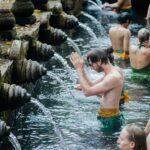
Then the day turns spiritual at Tirta Empul Temple, a Hindu Balinese water temple built in the 10th century. It’s considered sacred by the local community, and worshippers take part in ancient cleansing rituals in the holy spring.
What you’re seeing is very specific: a temple bathing and purification setting connected to the holy water spring. Your guide can help explain what’s happening, but even without deep religious background, the atmosphere is easy to feel. There’s a sense of ceremony and continuity here that you don’t get from typical tourist photo stops.
A key detail for planning: visitors are welcomed to join. That could mean watching and participating in certain areas, as long as you follow local guidance and respect the space. If you want to participate, come with a mindset of quiet observation first. Learn the flow, then decide what feels appropriate.
For photography, you may get better results when you step back and frame the scene with more context instead of trying to photograph every moment up close. Also, if you’re there during active rituals, be mindful of space and movement.
This stop balances the day nicely. Monkey Forest gives you animals and temples. Tirta Empul gives you temples and water rituals. After that, you’re ready for the final outdoors big finish: a waterfall.
Tegenungan Waterfall: Photo Time and the Chance for a Dip
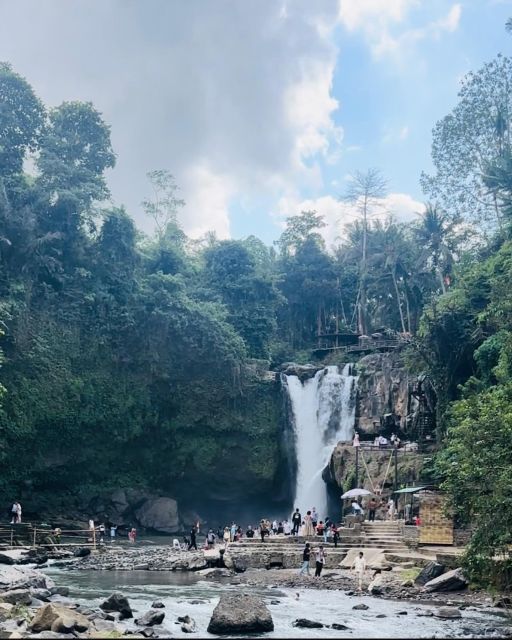
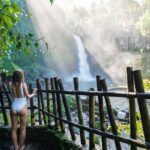
Your final major stop is Tegenungan Waterfall, located about a half-hour drive from Ubud. It’s a natural waterfall surrounded by greenery, and it’s a great photo opportunity if the light and conditions cooperate.
One reason this works as a tour ending: it’s visually powerful without requiring a deep explanation to appreciate. You see it, you feel the cool air (often), you take photos, and you decide how long to stay.
When conditions are good, you can take a dip in the pool at the base. Whether you actually swim depends on water level and safety conditions on the day, which your guide can help you judge.
If you’re hoping for a bird’s-eye view, the itinerary mentions a viewpoint option after the main activity. That gives you another angle beyond the standard front-facing waterfall shot.
Bring practical expectations here. Waterfall visits can get slippery and crowded around the edges. Keep your footing steady, and don’t assume you can run in for the perfect photo spot. The calm approach wins.
After the waterfall, you’ll drive back to your accommodation, wrapping up the day with less stress than if you were coordinating multiple taxis.
Price, Entrance Fees, and When to Budget Extra Time
The listed price is $23 per person for a 10-hour day with hotel pickup and drop-off plus a private guide. That’s strong value for the amount of driving and the number of major stops packed into Ubud.
But there are two budget realities you should account for:
First, entrances aren’t included. That means you should plan to have cash on hand for tickets at the sites. The tour info also specifically points to bringing cash, which is a hint you’ll need it on-site.
Second, while the schedule says 10 hours, there’s a chance your timing could shift, and you might be asked for additional money if the day extends beyond the planned window. I can’t predict how often that happens, but it’s worth being mentally prepared—especially during busy seasons or if a stop runs longer than expected.
Also, the tour includes skipping the ticket line, which can help your pacing. Still, skipping lines doesn’t remove every wait, since you may have to coordinate with staff and complete entry procedures.
If you want the best value experience, treat this as a guided “highlights” day rather than a slow, lingering day. You’ll get a lot done. You’ll also want to be flexible if the day feels a bit tight.
Should You Book This Ubud Monkey Forest Waterfall Temple Tour?
I’d book it if you want one organized day that mixes monkey sanctuary, rice terrace views, Tirta Empul holy spring rituals, and Tegenungan Waterfall without sorting transport. The small group size and private guide are the big wins here.
Skip it (or choose a different format) if you need maximum time at fewer stops, or if walking on uneven paths is a problem for you. And if you’re on a tight schedule, be extra careful about timing and be ready to cover entrance fees in cash.
If you do book, I’d recommend a simple checklist: bring your camera, bring some cash for entrances, and be in the lobby for pickup. When your driver is good and the pacing holds, this is a satisfying Ubud sampler that hits the main emotional notes of Bali in one day.
FAQ
How long is the Bali Ubud monkey forest, waterfall, and temple tour?
The tour duration is listed as 10 hours.
Is hotel pickup and drop-off included?
Yes, hotel pickup and drop-off are included, and you wait in your accommodation lobby.
Are entrance fees included in the price?
No. Entrance fees are not included.
How large is the group?
The tour is a small group limited to 6 participants.
Is there a private guide?
Yes, you get a private tour guide.
What language is the host or greeter?
The tour host or greeter is in English.
What should I bring?
Bring a camera and cash.
Is this tour suitable for everyone?
It is not suitable for people with mobility impairments or people over 95 years old.
Temples & Shrines Around Ubud
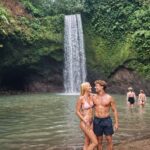
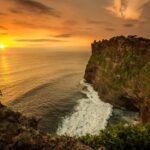
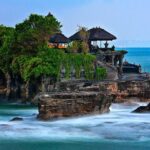
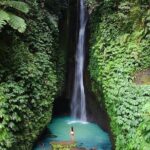
More Ubud Waterfalls to Chase
Into the Monkey Forest

Just added around Ubud
- Ubud: White Water Rafting with visit Ubud Monkey Forest
★ 5.0 · 3 reviews - Private Guided Bali Car Charter
★ 5.0 · 3 reviews - East Bali and Lempuyang Temple Tour
★ 5.0 · 3 reviews - Bali Downhill Cycling and White Water Rafting
★ 5.0 · 3 reviews - Cave Tubing Adventure in Ubud
★ 5.0 · 3 reviews
Ubud Waterfall Tours, compared.
 ★ 5.0Waterfalls, Water Temple & Rice Terraces Private TourFrom $295,484 reviews
 ★ 5.0Best of Bali Waterfalls: Tibumana, Tukad Cepung and TegenunganFrom $533,047 reviews
 ★ 5.0Full-Day Rice Terrace, Monkey Forest & WaterfallFrom $232,634 reviews
 ★ 5.0ATV Quad Bike Through Tunnel and Waterfall in BaliFrom $332,098 reviews
 ★ 5.0ATV Quad Bike Bali with Waterfall Gorilla Cave and LunchFrom $321,925 reviews
 ★ 4.7Quad ATV Waterfalls & Barong CavesFrom $49891 reviews
 ★ 4.8Taman Beji Griya Waterfall: Holy Bathing/Soul Retreat RitualFrom $29634 reviews
 ★ 5.0Bali ATV Quad Bike Through Tunnel, Waterfall, White Water RaftingFrom $26610 reviews
Browse the lists this tour appears in