
Reviewed · UBUD TEMPLE TOURS
Bali: Gunung Kawi Temple & Pakerisan UNESCO Guided Tour
300 steps to quiet cliff shrines.
This Bali tour pairs Gunung Kawi Temple with the UNESCO-listed Pakerisan River Valley, so you’re not just sightseeing—you’re walking into a slower rhythm of incense, birdsong, and sacred water. If you like temples that feel lived-in (not staged), this one makes a strong case.
What I like most is the way the walk and the explanations connect. I found it especially valuable that expert guides (I’ve heard names like Raka, Agus, and Andrian) don’t just point at carvings—they explain Balinese belief, royal memorial traditions, and daily religious life around the sites. Another big plus is the setting: after the step-heavy descent, you get quiet courtyards, bathing pools, and mossy paths in the river valley.
The main drawback is physical: you’ll go down and then climb back up those 300 stone steps, and heat can make that tougher. Also, temple dress rules matter—no shorts, and you’ll want a sarong/sash ready.
In This Review
- Key Things You’ll Remember From This Bali Temple Walk
- Why Gunung Kawi and the Pakerisan Valley Feel Like a Real Break From Ubud
- The 300-Step Descent: What You’re Really Signing Up For
- Gunung Kawi Temple: Cliff Shrines Carved for Royal Memorials
- Pakerisan River Valley Walk: Moss Paths, Sacred Springs, and Quiet Courtyards
- How the Guide Changes the Visit (From History to How to Behave)
- Timing and Transfers: How to Plan Your Ubud Morning (or Late Afternoon)
- Price and Value: Why This $18 Tour Can Make Sense
- Who This Tour Suits Best (and Who Should Skip It)
- Should You Book This Gunung Kawi & Pakerisan Tour?
- FAQ
- How long is the Gunung Kawi Temple & Pakerisan UNESCO guided tour?
- Where does the tour start, and are there different meeting points?
- Do I need hotel pickup?
- What should I bring and what should I wear?
- Are shorts allowed?
- Is there food or drinks included?
- Who is the tour not suitable for?
Key Things You’ll Remember From This Bali Temple Walk
- 300 stone steps down and back up to reach the cliff shrines at Gunung Kawi
- UNESCO Pakerisan River Valley paths with sacred springs, bathing pools, and views
- Live English/Indonesian guide who connects carvings to Balinese culture and Hindu tradition
- Flexible meeting options near Ubud (Temple, Ubud Palace, or hotel pickup from Ubud Central)
- Temple etiquette basics: bring a sarong/sash and plan for respectful behavior
- Best timing for comfort: early morning or late afternoon helps you avoid heat and crowds
More stone shrines and clifftop pura across Ubud.
- Ubud: Monkey Forest, Jungle Swing, Rice Terrace, and Water Temple★ 5.0 · 7,160 reviews
- Ubud: Waterfalls, Water Temple & Rice Terraces Private Tour★ 5.0 · 5,484 reviews
- Uluwatu Sunset, Kecak Dance, and Dinner Jimbaran Beach★ 5.0 · 3,681 reviews
- Tanah Lot and North Bali Tour: Scenic Journey★ 5.0 · 3,620 reviews
Why Gunung Kawi and the Pakerisan Valley Feel Like a Real Break From Ubud
Ubud is busy, even when you’re trying to find something calm. Gunung Kawi and the Pakerisan Valley work because the setting changes your pace quickly—palms sway overhead, frangipani scent drifts through the air, and the valley atmosphere settles in as you start descending.
I also like that this tour isn’t a checklist of quick photos. It gives you time to slow down at the shrines and along the river valley paths, where birds and water set the soundtrack for a pause that actually feels meditative.
If you’re traveling for culture and spirituality (not just Instagram angles), the UNESCO status matters too—not as a stamp, but because it helps preserve places that still function as religious space, not just museum scenery.
The 300-Step Descent: What You’re Really Signing Up For
You’ll start by going down 300 stone steps toward Gunung Kawi. The good news is that the route has shade—swaying palms and the greenery along the way help take the edge off. The even better news is that the steps aren’t just a barrier; they set the tone. By the time you reach the bottom, you’re already switched into temple mode.
Still, plan for effort. You’ll want comfortable shoes with grip, and you’ll definitely want to bring water. And if you’re the type who gets winded easily, schedule a cooler time of day—early morning or late afternoon is recommended for avoiding both crowding and heat.
Also, temple rules are part of the experience. You’ll be asked not to wear shorts, and you’ll need a sarong and sash as a sign of respect (rentals are available at the entrance if you forget yours). It’s simple, but it’s not optional.
Gunung Kawi Temple: Cliff Shrines Carved for Royal Memorials
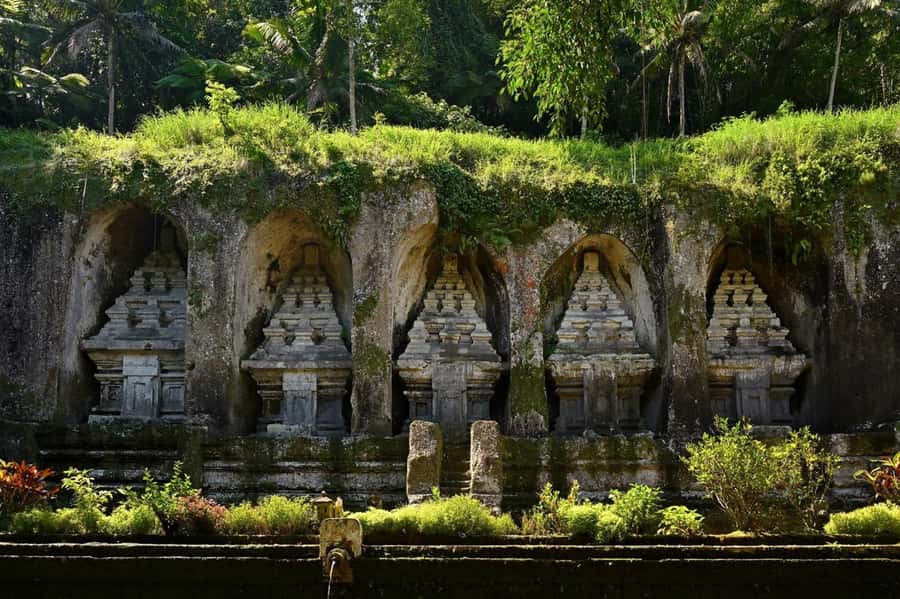
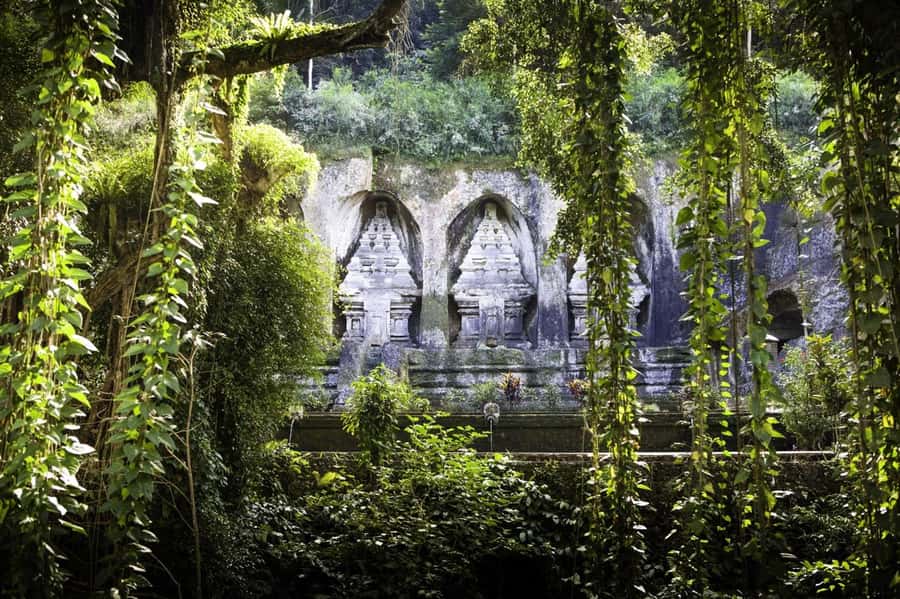
At the bottom, the big moment is the candi—ten massive shrines carved directly into the cliff face. These are believed to date back to the 11th century, and they’re traditionally seen as memorials connected with Balinese royalty and officials.
What I find powerful here is scale plus placement. You’re not standing in front of a standalone building; you’re facing stone work embedded in the rock. The guide’s job is to help you see what you might otherwise miss: what the carvings mean, how the site fits into Balinese spiritual life, and why people still treat the area with care.
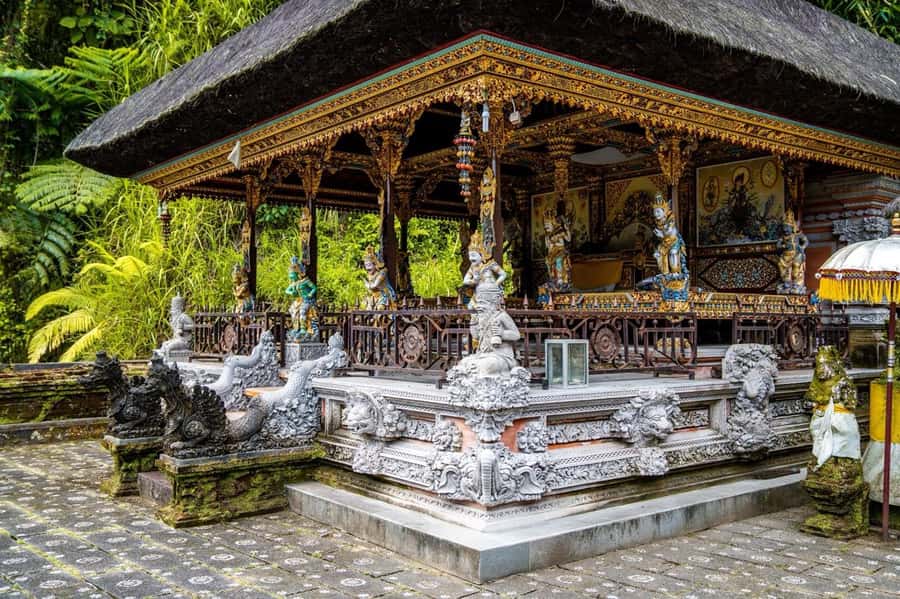
You’ll also notice ceremonial details up close. Traditional cloth drapes the carved stone gates and shrines, and offerings—flowers and incense—appear in places devotees have set aside. If you want to participate respectfully, your guide may explain how to make a small offering, or you can choose the quieter option: a silent prayer of gratitude.
Tip: give yourself a minute to just stand still here. The site has a kind of natural focus—if you rush, you’ll miss the atmosphere that makes Gunung Kawi feel different.
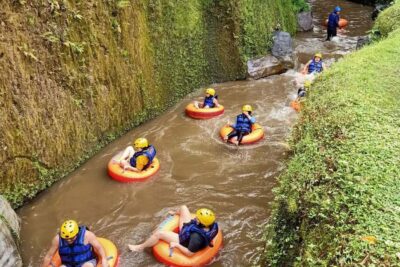
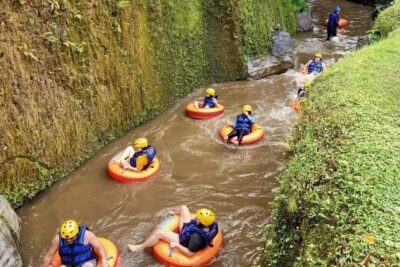
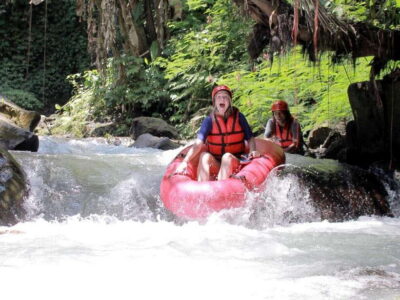
Float the Pakerisan through cave and canyon.



Pakerisan River Valley Walk: Moss Paths, Sacred Springs, and Quiet Courtyards
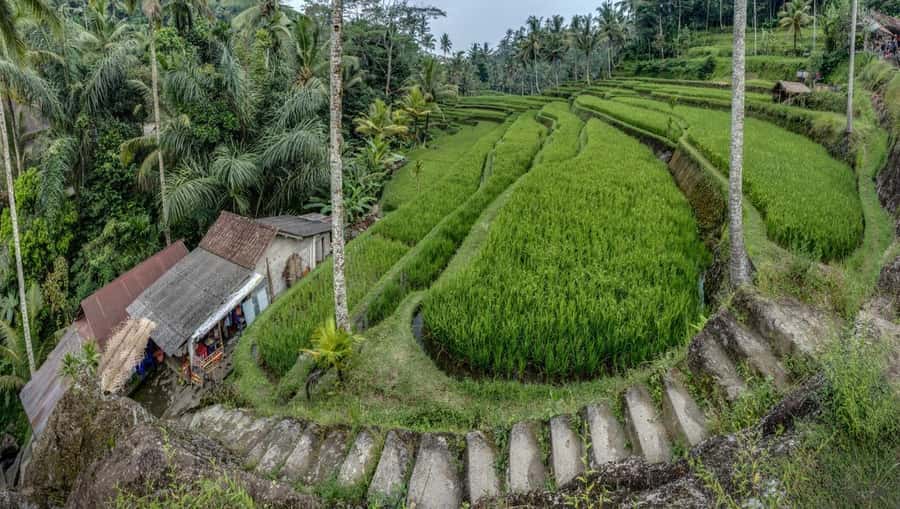
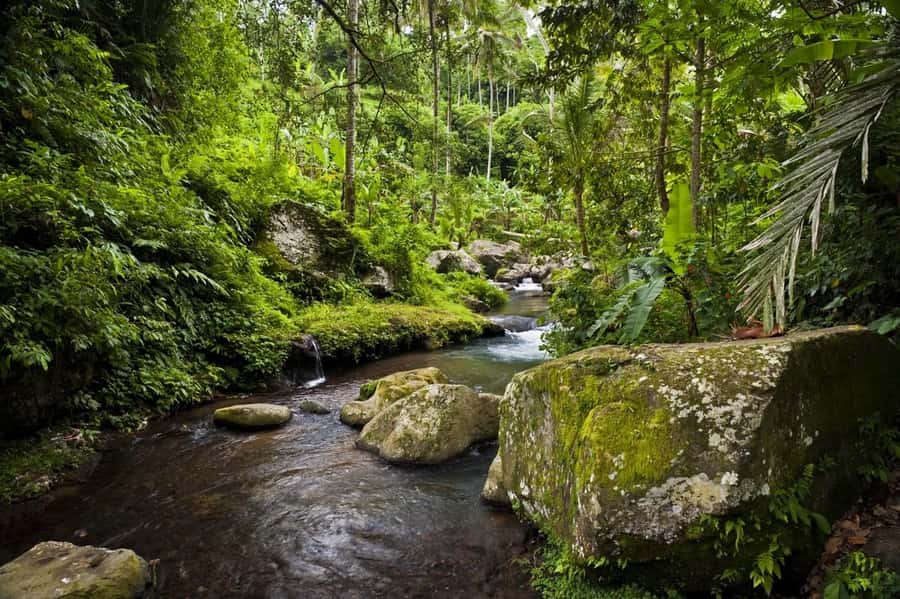
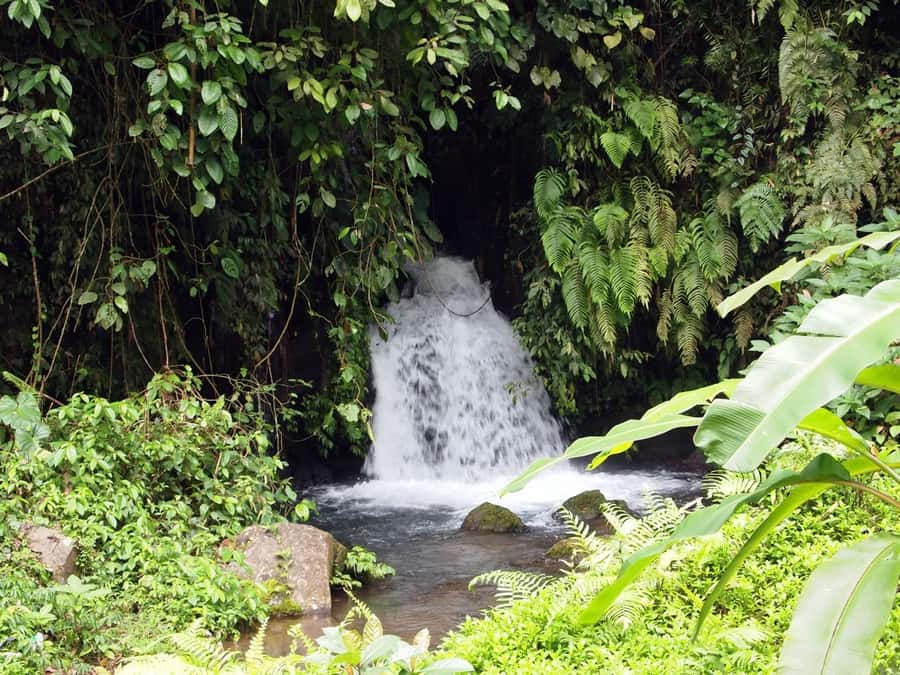
After the main temple area, you continue through the Pakerisan River Valley, a UNESCO World Heritage Site known for its long connection to water, worship, and community life. Expect moss-covered pathways, small courtyards, and ancient bathing pools.
Those bathing pools matter because they’re described as being fed by sacred springs of the Pakerisan River. Even if you’re not there for a swim or ritual, the presence of water shaping daily life changes your perception of the valley. It’s easier to understand why this spot earns calm attention—it’s not just scenic; it’s functional and spiritual.
This is also where the pace becomes truly therapeutic. The walk tends to feel gentle, and the environment gives you an easy excuse to pause—listen for birds, look at the water trickling through stone, and take in the rice terraces and river below.
If you’re trying to take the day’s bustle down a notch, this section is where it happens. Don’t treat it like a transit corridor between temple points. It’s part of the experience.
How the Guide Changes the Visit (From History to How to Behave)
A guide is the difference between seeing stone and understanding why it matters. This tour includes a live guide who speaks English and Indonesian, and people who’ve done it tend to highlight the same theme: explanations that connect religion, history, and everyday life.
I’ve heard guide names like Kar, Ketut, and Sana, and the common thread is how they make the place feel understandable rather than abstract. They’re also the ones who can answer your questions on Hindu and Balinese traditions and help you interpret what you’re seeing.
Guides also help with on-the-ground temple etiquette. You already have the sarong rule and the no-shorts rule, but the guide helps you move with confidence so you don’t feel like you’re guessing what’s respectful. That matters at places where worship is happening alongside tourism.
One more practical point: there’s real value in a guide reminding you to pick comfortable timing. Several people strongly recommend going early—one reason is that you’re dealing with stepwork both down and back up, and heat makes that harder later in the day.
Timing and Transfers: How to Plan Your Ubud Morning (or Late Afternoon)
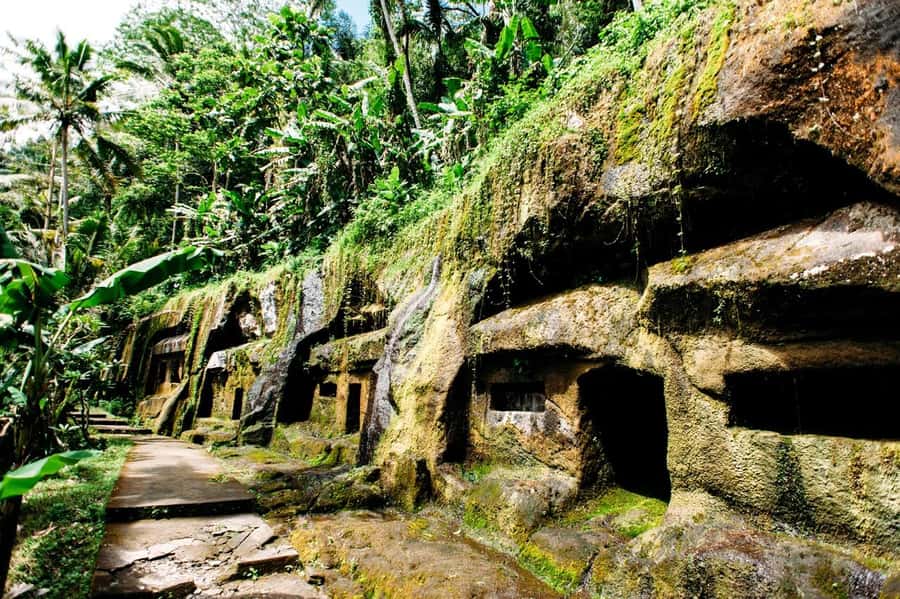
This tour runs 2 to 4 hours, which is long enough to feel meaningful but not so long that it eats your entire day in Bali. Meeting and pickup options are flexible, and that’s useful if you’re staying near central Ubud.
Depending on what you choose, you might meet at:
- Gunung Kawi Temple
- Ubud Palace
- Or get hotel pickup from Ubud Central (included if you select that option)
If you’re using pickup, you’ll want to be ready in the lobby about 15 minutes before the scheduled time. Confirmation happens via WhatsApp, and your driver will contact you ahead of the pickup window. Late arrivals can affect the schedule, so don’t cut it close.
Drop-off is also varied: you may end around Pura Gunung Kawi Sebatu, Ubud, or Ubud Palace. That can help you stitch the next stop into your day without backtracking as much.
Price and Value: Why This $18 Tour Can Make Sense
The price is $18 per person, and the value comes from what’s included. You’re paying for a guided visit, plus transfers if you select pickup options from Ubud Central or Ubud Palace. You also get mineral water, insurance, and tax included.
Where you’ll spend extra is basically personal needs: food and drinks aren’t included, and you’ll want water even though mineral water is part of the package. If you’re the type who likes a snack after temple time, factor that into your day.
In plain terms: if you want an expert guide and a hassle-free way to reach Gunung Kawi from Ubud, this is a reasonable deal. If you’re traveling ultra-light and already know how to get there on your own, you might compare options—but for many people, guided context plus simple transport is worth the cost.
Who This Tour Suits Best (and Who Should Skip It)
This tour is best for travelers who are comfortable walking and willing to use stairs. Because you descend and climb 300 steps, it’s not a match for everyone.
It’s listed as not suitable for:
- Pregnant women
- People with mobility impairments
- People with respiratory issues
- People with epilepsy
- People with low level of fitness
- Babies under 1 year
- People over 95 years
- People over 70 years
If you’re in the right fitness range, you’ll likely enjoy the mix of temple architecture, river valley scenery, and respectful cultural context. It’s also a nice fit for solo travelers who want the experience guided—having a local explain the setting can make the day feel smoother and less confusing.
Should You Book This Gunung Kawi & Pakerisan Tour?
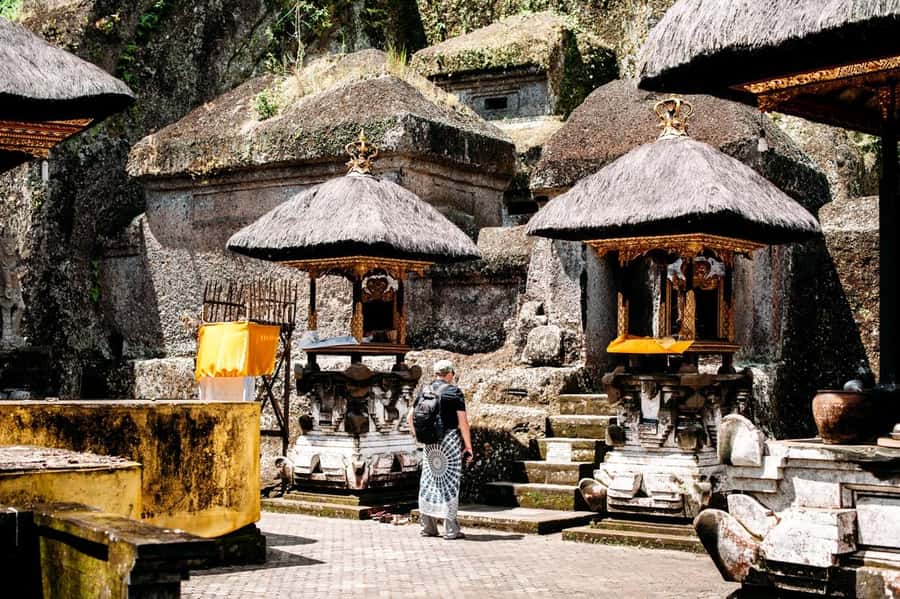
I’d book this tour if you want a calmer, culture-forward Bali experience near Ubud. It’s one of those rare temple outings where the main draw is more than the view—it’s the sense of place you get from walking through a sacred valley, seeing cliff shrines, and learning what the carvings and rituals mean.
If you’re sensitive to heat or you don’t love stair climbs, book the earliest time you can. Bring water, wear proper shoes, and plan your day so you’re not rushed for the climb back up.
Lastly, respect the temple rules. A sarong and no-shorts policy aren’t just formalities here—they’re part of why the atmosphere stays quiet and meaningful.
FAQ
How long is the Gunung Kawi Temple & Pakerisan UNESCO guided tour?
The tour duration is listed as 2 to 4 hours.
Where does the tour start, and are there different meeting points?
The meeting point can vary based on your option. You may meet at Gunung Kawi Temple, Ubud Palace, or choose hotel pickup from Ubud Central (if selected).
Do I need hotel pickup?
Pickup is optional. If you select a pickup option, transfers are included from Ubud Central or from Ubud Palace, depending on the choice. Pickup details come by email or WhatsApp.
What should I bring and what should I wear?
Bring comfortable shoes, water, and a sarong. Temple rules also require a sarong and sash as a sign of respect (rentals are available at the entrance if needed).
Are shorts allowed?
No. Shorts are not allowed.
Is there food or drinks included?
Food and drinks are not included. Mineral water is included.
Who is the tour not suitable for?
It is not suitable for pregnant women, people with mobility impairments, respiratory issues, epilepsy, low fitness, babies under 1 year, and people over 70 (and also over 95).
More Ubud Tours We Rate





River & Cave Tubing



Temples & Shrines Around Ubud


Just added around Ubud
- Ubud: White Water Rafting with visit Ubud Monkey Forest
★ 5.0 · 3 reviews - Private Guided Bali Car Charter
★ 5.0 · 3 reviews - East Bali and Lempuyang Temple Tour
★ 5.0 · 3 reviews - Bali Downhill Cycling and White Water Rafting
★ 5.0 · 3 reviews - Cave Tubing Adventure in Ubud
★ 5.0 · 3 reviews
Ubud Temple Tours, compared.
 ★ 5.0Monkey Forest, Jungle Swing, Rice Terrace, and Water TempleFrom $317,160 reviews
 ★ 5.0Waterfalls, Water Temple & Rice Terraces Private TourFrom $295,484 reviews
 ★ 5.0Uluwatu Sunset, Kecak Dance, and Dinner Jimbaran BeachFrom $353,681 reviews
 ★ 5.0Tanah Lot and North Bali Tour: Scenic JourneyFrom $1003,620 reviews
 ★ 5.0Full-Day Tour to Water Temples and UNESCO Rice Terraces in BaliFrom $392,539 reviews
 ★ 5.0East Bali Tour: Gate of Heaven, Water Palace, Sleeping GajahFrom $1001,726 reviews
 ★ 4.9Tirta Empul: Temple Tour with Optional Spiritual CleansingFrom $241,257 reviews
 ★ 5.0Bali Instagram: Gate of Heaven Temple TourFrom $85737 reviews
Browse the lists this tour appears in