
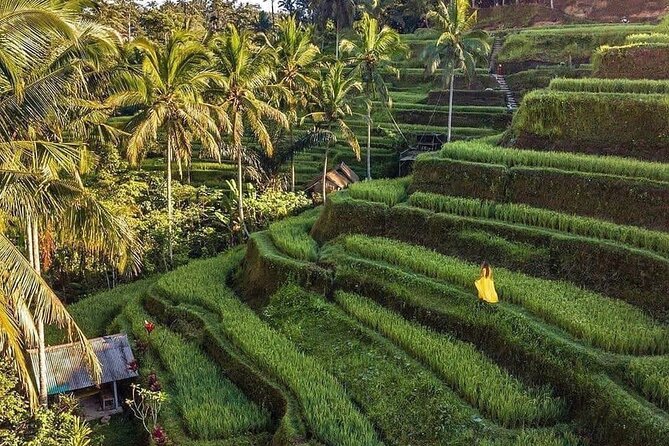
Reviewed · TEGALLALANG RICE TERRACES
Ubud Hidden Waterfalls and Rice Terrace Tours
Six stops, one nonstop green day. This private tour strings together three standout waterfalls plus a rice-terrace walk, all driven by your own English-speaking guide with hotel pickup. It’s a longish day, but the route is smart: you see the best-known spots without having to manage motorbikes, tickets, or schedules yourself.
I especially like the private, driver-led logistics. You get picked up and dropped off, and the day runs as one smooth sequence, stop-to-stop, instead of you trying to stitch together transport in Ubud traffic. I also love that the itinerary hits both water and culture: a set-menu lunch at a local spot, then a hands-on walk through Tegalalang Rice Terrace focused on irrigation.
The main drawback is that it’s 10 hours of constant movement. With each stop set for about an hour, you’ll want to be ready for a brisk pace—perfect for photos and sights, less perfect if you prefer slow wandering.
In This Review
- Key Highlights at a Glance
- How the 10-hour Private Route Works (and Why It Matters)
- Kanto Lampo Waterfall: Stone Walls, Clean Water, and Instagram Timing
- Tibumana Waterfall: Green Forest Vibes and a Swim-Ready Plan
- Tukad Cepung Waterfall: The Cave Setting and the Sunlight Effect
- Waroeng D’Yoni Lunch: A Set Menu Reset That Keeps the Day Moving
- Tegalalang Rice Terrace and Irrigation: Seeing How Water Makes the Landscape Work
- Aloha Ubud Swing: Optional Fun, Extra Cost, and Photo Energy
- Guides and the Human Touch: Why This Tour Often Feels Smooth
- Price and Value: What $30 Buys You in the Real World
- Who Should Book This (and Who Might Prefer Something Else)
- Should You Book Ubud Hidden Waterfalls and Rice Terrace Tours?
- FAQ
- How long is the Ubud Hidden Waterfalls and Rice Terrace tour?
- Is hotel pickup and drop-off included?
- Which waterfalls are included in the itinerary?
- Is lunch included?
- Are entrance tickets included?
- Is the Aloha Ubud Swing included?
- Can I cancel for a full refund?
Key Highlights at a Glance
- Private English-speaking guide and transportation so the day feels easy
- Kanto Lampo Waterfall for stone-wall viewpoints and clean-water photos
- Tibumana Waterfall where the plan includes swimming in a very green setting
- Tukad Cepung Waterfall with sunlight filtering into the cave area
- Waroeng D’Yoni set-menu lunch focused on local food
- Tegalalang rice paddies and irrigation walk before the optional swing
Tiered green as far as the eye runs. More Ubud rice-terrace walks.
- Ubud: Monkey Forest, Jungle Swing, Rice Terrace, and Water Temple★ 5.0 · 7,160 reviews
- Ubud: Waterfalls, Water Temple & Rice Terraces Private Tour★ 5.0 · 5,484 reviews
- Ubud: Full-Day Rice Terrace, Monkey Forest & Waterfall★ 5.0 · 2,634 reviews
- Full-Day Tour to Water Temples and UNESCO Rice Terraces in Bali★ 5.0 · 2,539 reviews
How the 10-hour Private Route Works (and Why It Matters)
This is a private tour, so you’re not sharing a car or getting bounced around with strangers. The big practical win is that you get your own driver and guide, and you’re picked up from your hotel (and dropped back off at the end). If you’ve ever tried to coordinate waterfalls around Ubud on your own, you already know the pain: short distances still take time, roads can be slow, and tickets add up.
The day is also structured for “photo windows.” Stops like Kanto Lampo and Tibumana are scheduled in the morning, when light tends to cooperate and the sites feel calmer. Then you move into the cave-style experience at Tukad Cepung by midday. Rice terraces come later, which often works well for walking and taking in the irrigation details without rushing.
One more detail I appreciate: the itinerary gives each stop about an hour. That means you’re not stuck somewhere long enough to get bored, but you also get enough time to enjoy the main view, take photos, and (at least at the Tibumana stop) actually participate rather than just look from afar. Just keep expectations realistic: it’s a “see a lot” day, not a “sit and linger for hours” day.
Kanto Lampo Waterfall: Stone Walls, Clean Water, and Instagram Timing
Your day begins at Kanto Lampo Waterfall. This stop is famous for its stone-walled look and very clean-feeling water. What that means for you in real life: you’ll be able to get clear, defined photos without the visual clutter that sometimes happens at more chaotic waterfall spots.
You’ll spend about one hour here, and the timing is morning. That’s useful because waterfalls in Bali can get busy, and early hours typically feel more manageable for taking photos and moving around at your own pace. If you’re the type who likes to get at least a few “posed” shots and a few natural ones, this is the kind of location that rewards it.
One consideration: Kanto Lampo is a photo-first stop. If you prefer swimming or long hangs, you might find yourself wishing there was more time. Still, as an opener to the day, it’s strong. It sets the tone for the rest of the itinerary, and it’s an easy way to get your Bali waterfall moment started right.
Tibumana Waterfall: Green Forest Vibes and a Swim-Ready Plan
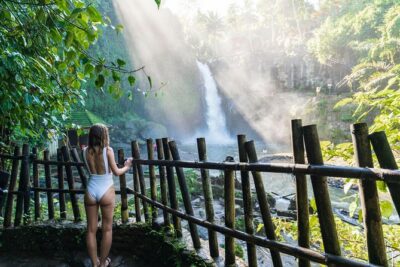
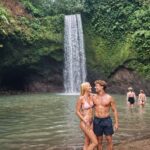
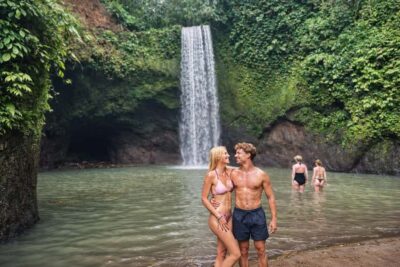
Next up is Tibumana Waterfall. This stop is scheduled for late morning and is described as a place with a very green forest and beautiful rocks, plus time to swim. That’s a key difference from the “just look” vibe you can sometimes get with waterfall tours.
What I like about Tibumana in this kind of day plan is the contrast. After Kanto Lampo’s stone-wall feel, Tibumana shifts toward a more foresty, rock-framed scene. The green surroundings matter because they make your photos feel less repetitive across the day. It also means you’re not just chasing water—you’re getting the bigger jungle context.
Practical tip from the structure of the itinerary: if you plan to swim here, you’ll want to be ready with a change of clothes and a way to keep your phone and camera safe. Since the tour blocks about an hour, there’s enough time to enjoy the water without turning it into a full half-day detour.
The only possible drawback is personal: if swimming doesn’t sound like your thing, you may find the time goes by quickly. But the setting is scenic enough that even non-swimmers should still enjoy it.
Chase another hidden cascade around Ubud.
Tukad Cepung Waterfall: The Cave Setting and the Sunlight Effect
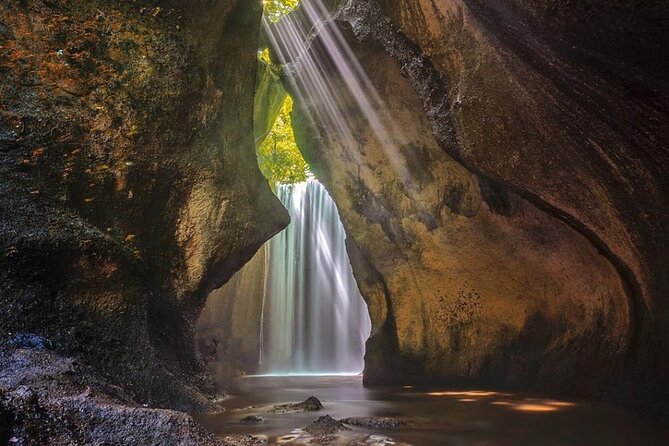
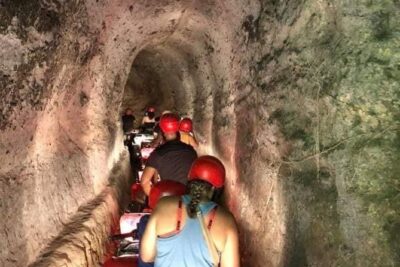
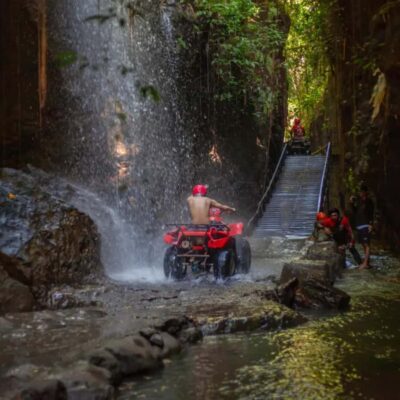
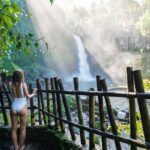
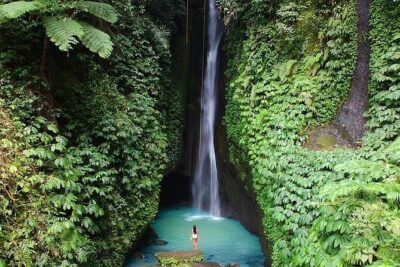
Around midday you’ll head to Tukad Cepung Waterfall, where the plan is a walk to a hidden waterfall in a cave area, with sunlight penetrating the green forest above. This is the kind of stop that feels different the moment you start moving into the cave space.
The reason it’s special for your day is the experience style. Instead of the waterfall being an open, easy-to-see feature right away, you’re working your way toward it. That builds anticipation, and the cave environment changes the lighting. When you look up through the openings, you get that classic “light beams” effect—exactly what you want if you like dramatic photos without needing fancy gear.
You’ll have about one hour at this stop, and that matters because cave lighting can be tricky. If you’ve ever tried to photograph water in shadow, you’ll know it takes a few attempts to get something you like. The time window is long enough for that.
If you’re sensitive to crowds or prefer wide-open spaces, this is the only stop in the route that really leans into enclosed, cave-like walking. It’s not described as difficult, but it is different. Go with the mindset of “short adventure + photo lighting,” and you’ll probably enjoy it more.
Waroeng D’Yoni Lunch: A Set Menu Reset That Keeps the Day Moving
By early afternoon, you’ll stop at Waroeng D’Yoni for a set-menu lunch. What I appreciate about a set-menu approach during a multi-stop day is how it keeps the schedule realistic. If you’re touring three waterfalls and a rice terrace, you don’t want a long, uncertain meal that turns into a timing headache.
The description also notes that the lunch is local food recommended by locals and tourists. That’s the sweet spot on tours like this: familiar enough to be safe, local enough to feel worth it, and quick enough to let you get back out to the next sight.
You’ll have about one hour for lunch, which is a reasonable window. It’s long enough to eat without feeling rushed, but short enough that you don’t lose daylight before the rice terraces.
One consideration: this is lunch, not a full afternoon hang. If you love slow cafés, you might find yourself wishing you had more time. But as part of a tight day plan, it works.
Tegalalang Rice Terrace and Irrigation: Seeing How Water Makes the Landscape Work
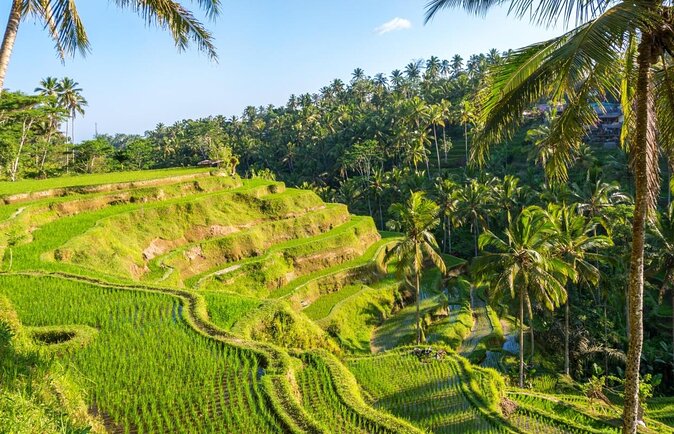
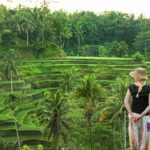
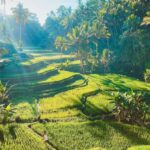
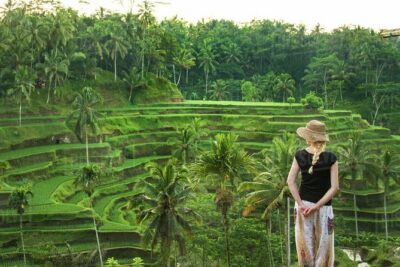
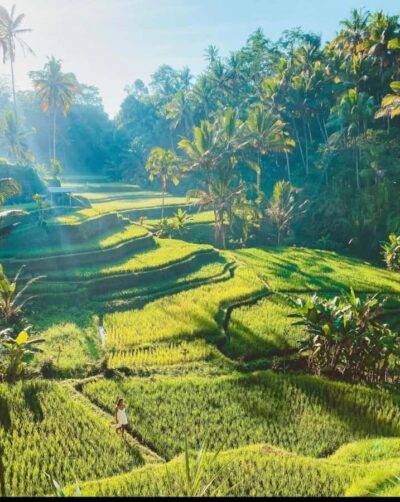
After lunch, the tour shifts from waterfalls to farming views with Tegalalang Rice Terrace. This stop includes a walk in the rice paddies and a chance to learn the irrigation system. That detail is important, because it turns a scenic photo stop into something that teaches you how the place actually functions.
The value here is the “why,” not just the “wow.” Bali’s rice terraces look amazing, but the irrigation system is what makes them last through changing weather and seasons. Even if you don’t go deep into technical details, you’ll come away with a clearer sense of how water management shapes everyday life in the countryside.
You’ll spend about one hour here. That’s enough time to walk a loop, take photos, and understand the basics without turning it into an all-day trek. If you’re a first-timer to Ubud, this rice-terrace segment balances the earlier waterfall intensity and gives your mind a different kind of scenery.
Small practical note: this is still outdoors walking. Wear comfortable clothing and shoes you’re okay getting a little dusty or wet, depending on conditions.
Aloha Ubud Swing: Optional Fun, Extra Cost, and Photo Energy
The last stop is Aloha Ubud Swing, set for late afternoon. Here, you’ll enjoy the swing and take photos flying like birds—but here’s the catch: the swing itself is not included in the price, and it’s listed as an extra.
So treat it as an add-on. If you want it, plan for the extra spend and keep your hands free for photos. If you don’t care about the swing, you may still enjoy the viewpoints, but your time may feel more “waiting for the main event.” In a 10-hour schedule, that’s the tradeoff: the itinerary includes it, but you control whether you pay for it.
Timing helps. Late afternoon often makes the lighting kinder for photos than harsh midday. Still, you’ll want to be flexible—late-day weather can change quickly.
Guides and the Human Touch: Why This Tour Often Feels Smooth
Even with a fixed route, the guide makes a big difference. The best versions of this tour are led by friendly, English-speaking guides who help with timing and photos and keep you comfortable between stops.
In the stories tied to this experience, guides like Praba, Yanse, and Ady show up again and again as people who are easy to talk to, flexible with small wishes, and active about capturing good photos. One of the nicest perks of a private setup is that you can ask for small adjustments—where to stand for photos, how to pace inside a stop, or what to focus on—without worrying about holding up a large group.
That “extra attention” is also why this tour can feel worth it even though it’s priced modestly. You’re not paying mostly for the vehicle; you’re paying for time saved, smooth transitions, and a guide who actually shows up and helps.
Price and Value: What $30 Buys You in the Real World
At $30 per person, this tour is positioned as good value for a day that includes multiple ticketed attractions and private transport with pickup and drop-off. The real math depends on what option you select, because the details say all entrance ticket fees are included if the option is selected, and lunch is included as a set menu if the option is selected.
So think of it like this:
- If you select tickets and lunch, you’re bundling key costs into one package.
- If you skip the options, you’ll likely pay separately for entries and/or food, and the “value” becomes less clear.
Either way, the structure helps. You’re covering three waterfalls, a local lunch stop, and rice terraces in one day, with mobile ticket and private logistics. That’s usually cheaper than cobbling it together yourself with taxis plus separate entry fees, especially if you’re not comfortable planning transportation on your own.
Also, you’re not stuck with a group schedule. Being private is a value multiplier for anyone who wants photos, calmer timing, or simple comfort after a long day.
Who Should Book This (and Who Might Prefer Something Else)
This is a strong match if you:
- Want a one-day Ubud checklist that doesn’t require planning logistics
- Like waterfalls but also want culture and a practical stop at the rice terraces
- Enjoy photography and appreciate guidance on where to stand and how to work the light
- Prefer private driving over the stress of figuring out transport between sites
It may not be ideal if you:
- Want a slow, relaxed day with long breaks between stops
- Don’t enjoy swimming and cave-style environments
- Hate paying extra for add-ons like Aloha Ubud Swing (since the swing is not included)
Should You Book Ubud Hidden Waterfalls and Rice Terrace Tours?
If you want an efficient, photo-friendly, private day out of Ubud that mixes waterfalls with a rice-terrace education angle, I’d book it. The route is built for variety—stone-walled waterfall views, a green-forest swim stop, then a cave waterfall with sunlight effects, followed by irrigation-focused rice paddies.
Just go in with two expectations lined up: it’s a full 10-hour day, and the swing is an optional extra. If you’re comfortable with that, this tour is the kind of plan that saves time, reduces hassle, and gets you to the right places without drama.
FAQ
How long is the Ubud Hidden Waterfalls and Rice Terrace tour?
It runs for about 10 hours.
Is hotel pickup and drop-off included?
Yes. Hotel pickup & drop-off are included, along with private transportation.
Which waterfalls are included in the itinerary?
The tour includes Kanto Lampo Waterfall, Tibumana Waterfall, and Tukad Cepung Waterfall.
Is lunch included?
Lunch is included as a set menu if that option is selected.
Are entrance tickets included?
Entrance ticket fees are included if the option is selected.
Is the Aloha Ubud Swing included?
The swing is not included, but you can still enjoy it and take photos for an extra cost.
Can I cancel for a full refund?
Yes. Free cancellation is available up to 24 hours before the experience’s start time for a full refund.
More Ubud Tours We Rate



More Ubud Waterfalls to Chase

Rice Terraces Worth the Walk
Just added around Ubud
- Ubud: White Water Rafting with visit Ubud Monkey Forest
★ 5.0 · 3 reviews - Private Guided Bali Car Charter
★ 5.0 · 3 reviews - East Bali and Lempuyang Temple Tour
★ 5.0 · 3 reviews - Bali Downhill Cycling and White Water Rafting
★ 5.0 · 3 reviews - Cave Tubing Adventure in Ubud
★ 5.0 · 3 reviews
Tegallalang Rice Terraces, compared.
 ★ 5.0Monkey Forest, Jungle Swing, Rice Terrace, and Water TempleFrom $317,160 reviews
 ★ 5.0Waterfalls, Water Temple & Rice Terraces Private TourFrom $295,484 reviews
 ★ 5.0Full-Day Rice Terrace, Monkey Forest & WaterfallFrom $232,634 reviews
 ★ 5.0Full-Day Tour to Water Temples and UNESCO Rice Terraces in BaliFrom $392,539 reviews
 ★ 4.7Monkey Forest, Ceking Rice Terraces and More– Full DayFrom $37917 reviews
 ★ 4.9Rice Terraces & Villages Half-Day Fat Tire E-Bike TourFrom $33602 reviews
 ★ 5.0Downhill Cycling with Volcano, Rice Terraces and MealFrom $36536 reviews
 ★ 5.0Ubud eBikes Tour to Tegallalang Rice TerraceFrom $30507 reviews
Browse the lists this tour appears in