
Reviewed · RIVER TUBING ADVENTURES
Ubud: Elephant Cave & Pakerisan UNESCO Guided Tour
Goa Gajah starts with a scary face. I love the guided walk through the 9th-century cave and the six-statue bathing pools that make this place feel spiritual, not touristy. The Pakerisan River part adds a calm finish in a UNESCO-listed setting.
One catch: there are stone steps and the pathways can be slippery when wet, so plan for careful footing. The tour guide experience seems to be a big deal here, and I’ve seen strong notes about guides like Suker/Sukar and Sana for making the culture make sense without turning it into a lecture.
In This Review
- Key things to know before you go
- Entering the Goa Gajah cave complex like you mean it
- Sacred bathing pools and gardens: the part people remember
- The Pakerisan River area: why UNESCO status changes the mood
- Guide and driver quality: the real value behind the $18 price
- Timing and meeting points in Ubud: pick the option that reduces stress
- What to wear and bring for a temple complex day
- Pace, footing, and who this tour fits best
- Included extras vs what you’ll pay on your own
- Best way to enjoy it: go when it’s calmer
- Should you book this Ubud Elephant Cave & Pakerisan tour?
- FAQ
- How long is the Ubud Elephant Cave & Pakerisan tour?
- What’s included in the $18 per person price?
- Where can I meet the tour in Ubud?
- What should I bring or wear?
- Is this tour suitable for wheelchair users or limited mobility?
- Are there any restrictions for entering the sacred areas?
Key things to know before you go
- You’ll see Hindu and Buddhist elements inside the same Goa Gajah complex, and the guide helps connect the dots.
- Bathing pools are the star outside: six female statues pour water from urns, and the pools were rediscovered in the 1950s.
- There are multiple meet-up options: Goa Gajah, Ubud Palace, or a hotel transfer from central Ubud.
- You need the right outfit: shoulders and knees covered, plus a sarong and sash as a sign of respect.
- Basic mobility is required because of going down and up several stone steps at Goa Gajah.
- A good guide makes the day—names like Suker/Sukar and Sana come up for clear, friendly explanations.
Float the Pakerisan through cave and canyon.
- Ubud: Pakerisan Jungle River Tubing Adventure with Lunch★ 4.7 · 281 reviews
- Cave Tubing Adventure & Rice terrace★ 5.0 · 161 reviews
- Ubud: River Cave Tubing Adventure with Lunch★ 4.6 · 126 reviews
- Full Day ATV Quad Bike and River Tubing Experience in Bali★ 5.0 · 57 reviews
Entering the Goa Gajah cave complex like you mean it
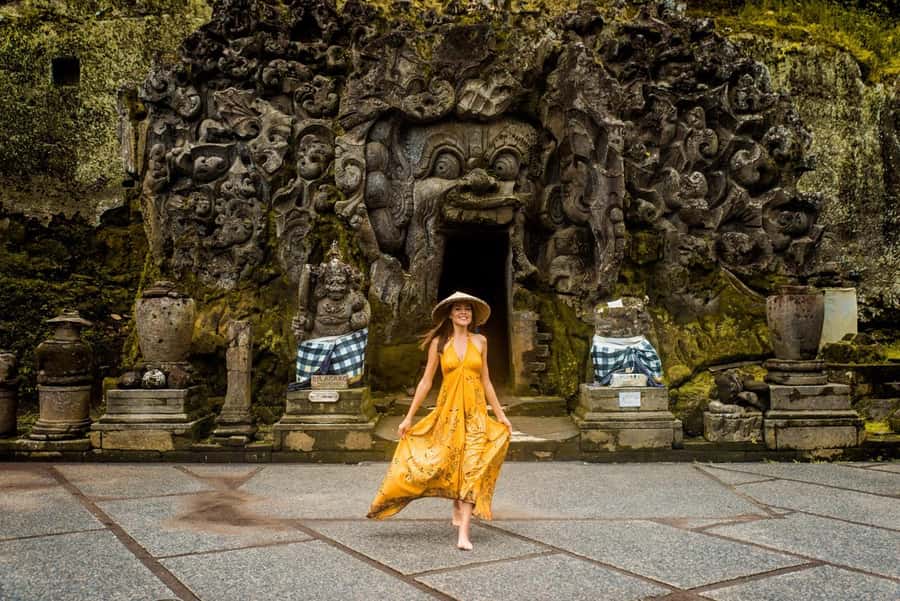
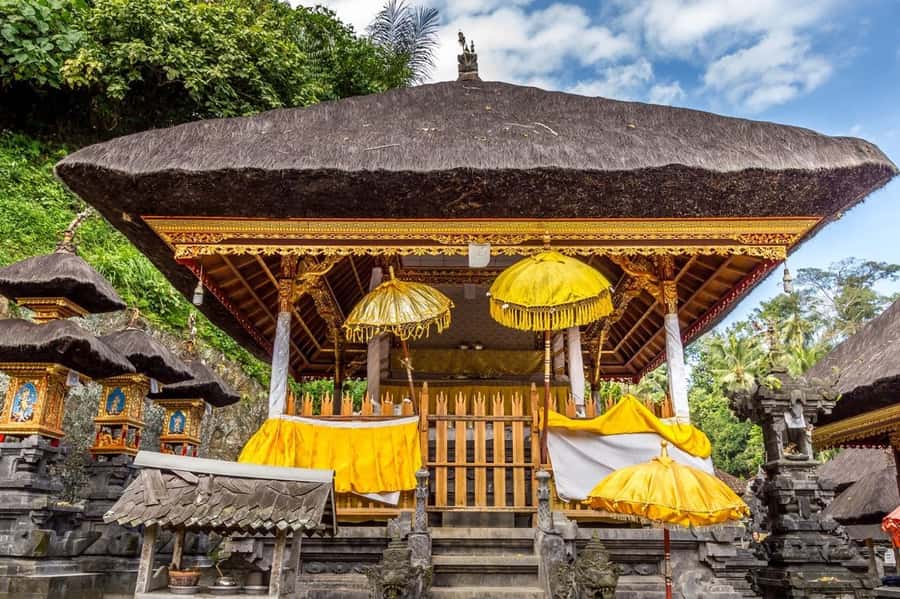
Goa Gajah, or Elephant Cave, is one of those Ubud sights where your first impression is visual and immediate. You’ll walk from the entry down stone steps into a cooler, shaded ravine, with forest sounds from the Petanu River area in the background. Then you’re faced with that carved stone entrance—part intimidating, part oddly inviting—before you even step inside.
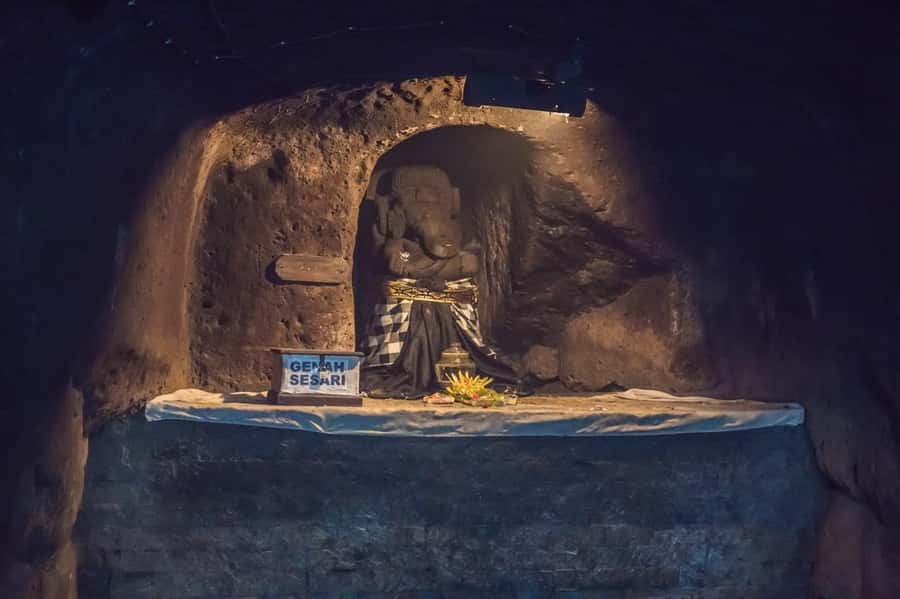
Inside, the cave is dim, so don’t expect a bright museum vibe. You’ll move through a setting that dates to the 9th century, passing carved stone details and finding meditation-style niches and ancient stone idols along the way. The tour is guided, which matters here: Goa Gajah has layers of meaning, and a good guide keeps it from feeling like random carvings.
One practical point I really like about this tour: you’re not sent on a self-guided dash. You get a real walkthrough that gives you context for why people came there. The cave’s origins are wrapped in mystery, but it’s widely believed to have served as a sanctuary for both Hindu and Buddhist monks. That shared spiritual thread is the reason the cave can feel peaceful instead of purely dramatic.
Sacred bathing pools and gardens: the part people remember
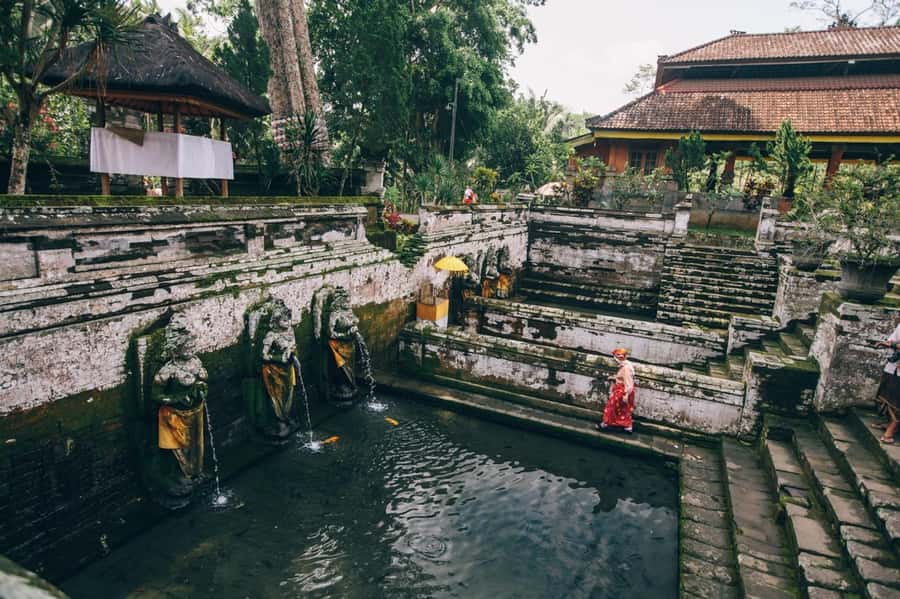
If the cave is the headline, the outside area is the reason you’ll linger. After you come back up from the cave steps, you’ll enter a garden world inside the complex—landscaped, calm, and dotted with devotional details like flower and incense offerings placed by local visitors.
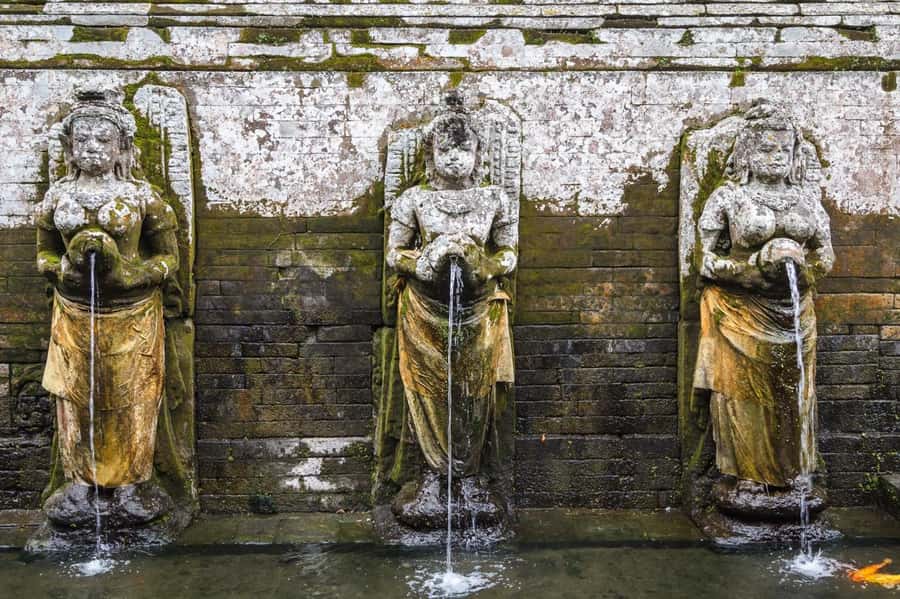
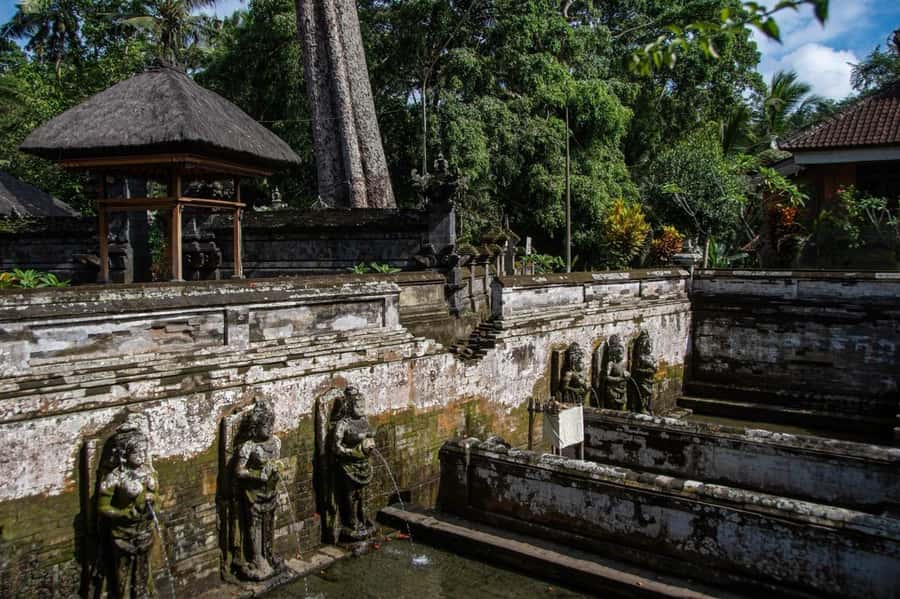
The big feature is the sacred bathing pools: there are six female statues pouring water from urns. It’s not just a neat photo spot. The pools were lost under jungle overgrowth for a long time and then rediscovered in the 1950s. They’re also believed to purify and bless people who visit, which changes how you experience the space. You’re in a place that still has spiritual purpose, not only historical value.
These gardens also help you slow down. You’ll find mossy statues and relics that look like they’ve grown into the stone. The atmosphere invites quiet reflection, so I’d treat this like a chance to reset between busier Ubud days. Even if you don’t meditate, you can still take a minute just to look—especially when the incense smoke drifts through the air in small bursts.
The Pakerisan River area: why UNESCO status changes the mood
The tour doesn’t stop at one cave. After Goa Gajah, you’ll head toward the Pakerisan River section with a guided visit. This is where the day feels more “Bali” in the everyday sense—water, greenery, and sacred sites linked to the landscape.
Because this area is part of the UNESCO World Heritage-listed zone, there’s an extra layer of meaning to what you’re seeing. You’re not only visiting a single object; you’re walking through a cultural area where temples, water, and ritual life are tied together. That’s usually the difference between a quick temple checklist and something that feels like you understand the place.
There’s also a nice rhythm to the day: the cave gets your attention with its dramatic entrance, then the river-side area tends to feel more grounded. The walk pace is guided, and the focus stays on explaining what you’re looking at and why it matters. If you want a peaceful escape from daily Ubud traffic, this part of the tour can deliver that.
Other Ubud tours and experiences to line up next


Guide and driver quality: the real value behind the $18 price
For $18 per person, this tour is one of the easier Ubud add-ons to justify—mainly because the price covers more than just a ticket. You get guided time at Goa Gajah, entrance fees, and mineral water. If you choose the hotel transfer from central Ubud, that’s included too.
But the biggest value is the guide. I noticed a strong pattern in the feedback about guides explaining Balinese culture and Hindu beliefs in a way that actually sticks. Names that showed up positively include Suker/Sukar and Sana. The common thread: guides who are informative without being stiff, and who use the ride time to talk about customs on the island.
That’s what makes this tour worth doing with a guide instead of only grabbing a taxi. Goa Gajah is old and visually striking, but without context it can become a blur of stone faces and steps. With a good guide, you’ll understand the purpose behind the architecture and the meaning behind the sacred features you’re seeing.
Timing and meeting points in Ubud: pick the option that reduces stress
One smart thing here is the flexibility. You can choose how you meet the group:
- meet at Goa Gajah
- meet at Ubud Palace
- or get a hotel transfer from central Ubud
If you hate complicated morning logistics, the transfer option can save energy. Still, it helps to remember the pickup rhythm: the driver contacts you via WhatsApp for confirmation, and you should be ready in your lobby about 15 minutes before the scheduled time. If you’re the type who runs late, this is where that habit can mess with the tour schedule—so I’d set a real alarm.
If you’re already planning to spend time near Ubud Palace, meeting there can be simpler. And if you’re staying closer to the attraction, starting at Goa Gajah can reduce back-and-forth. Either way, the key is making the morning feel easy so you’re not rushed when you arrive at the cave steps.
What to wear and bring for a temple complex day
Goa Gajah involves religious spaces, so the outfit rules aren’t just formalities. You’ll want to show respect by wearing a sarong and sash. Modest clothing matters too: shoulders and knees covered.
Here’s what I’d bring (and yes, pack the small stuff that makes a difference):
- comfortable walking shoes (you’ll walk down and up stone steps)
- sunglasses and sunscreen for the bright Ubud-to-ravine contrast
- a sun hat
- camera
- insect repellent (the area is warm and humid)
- sunscreen and drinking water (you’ll have mineral water, but extra is smart)
- cash and a sarong (if you don’t already have one)
Also, note the temple-entry rules:
- women who are on their menstrual period are not allowed to enter the sacred areas, following Balinese Hindu customs
- pets are not allowed
- alcohol and drugs aren’t allowed
Photography is permitted, but you should be respectful of worshippers during rituals. Keep your movements calm and avoid blocking anyone who’s there for prayer.
Pace, footing, and who this tour fits best
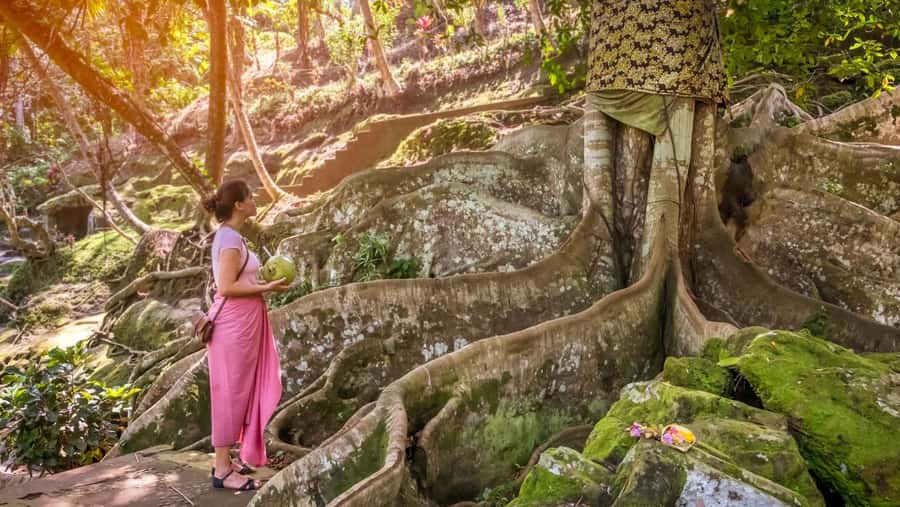
This tour is short, but it’s not a flat stroll. Goa Gajah means walking down and then climbing back up several stone steps. The area is humid and surrounded by dense forest, so paths can be damp and occasionally slippery. That’s the most important physical consideration for your day.
If you’re comfortable walking on uneven surfaces, you’ll likely be fine with good shoes and a slower pace. But if you have mobility limits, even small ones, I’d think twice. This experience is not suitable for mobility impairments or wheelchair users.
There are also age limits listed: not for people over 95, and not for people over 70. If you’re older than that or dealing with balance issues, you’ll probably want a different Ubud activity that stays flatter.
Included extras vs what you’ll pay on your own
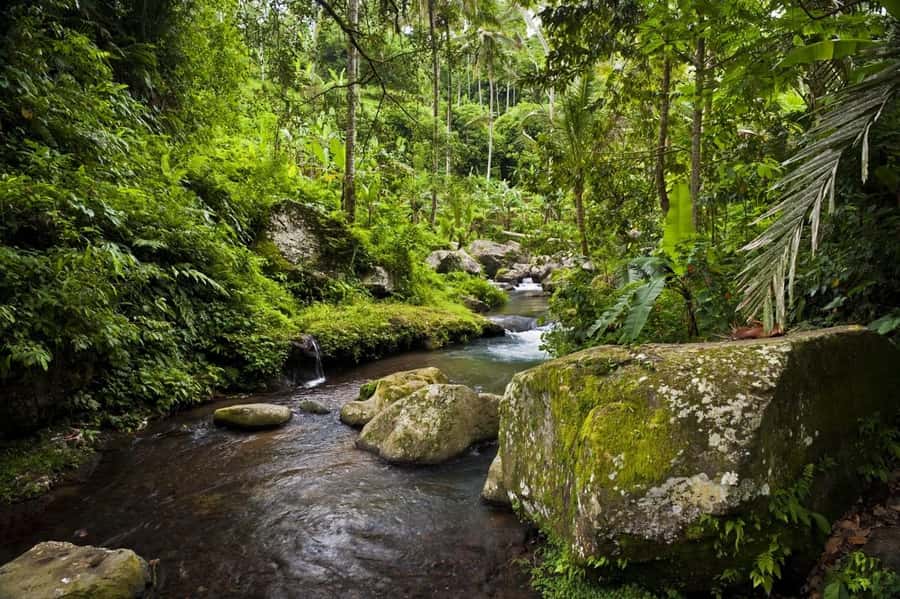
It’s helpful to know what the tour covers so you don’t get surprised mid-day. Included:
- guided tour of Goa Gajah (Elephant Cave)
- entrance fees
- mineral water
- hotel transfer from Ubud central if you pick that option
Not included:
- meals
- personal expenses
So if your day includes lunch plans, build that into your schedule. And if you’re the type who buys snacks or uses a local ATM, bring a bit of cash just to stay relaxed.
Best way to enjoy it: go when it’s calmer
You’ll get a better-feeling visit if you aim for quieter times. Early morning or late afternoon typically offers a more tranquil experience here. That matters at Goa Gajah, because a calmer setting makes it easier to respect the sacred space and hear what your guide is saying.
Also, the temperature and humidity are real. Even if you don’t sweat, you’ll feel warm, so plan to take small breaks and don’t rush through the cave. A steady pace helps you notice the details—the idols, the carved elements, and the meditation niches—without feeling stressed.
Should you book this Ubud Elephant Cave & Pakerisan tour?
I’d book it if you want a focused guided tour that mixes ancient cave atmosphere with sacred garden details, then finishes with the calm of the Pakerisan River setting. The $18 price is strong for what you get: guided time, entrance fees, and water, plus a transfer option if it saves you time.
I would skip it if you can’t manage steps or slippery paths, or if you’re looking for a totally laid-back day with no religious entry rules. Also, if you’re visiting with someone who can’t follow the sarong/modesty requirements, you’ll want to plan carefully ahead.
If you’re deciding today, here’s the simplest decision rule: if you like history explained by a real guide and you’re okay walking carefully in a temple complex, this is a good Ubud value pick.
FAQ
How long is the Ubud Elephant Cave & Pakerisan tour?
The tour runs about 2 to 4 hours depending on the starting time and option you choose.
What’s included in the $18 per person price?
You’ll get a guided tour of Goa Gajah, entrance fees, mineral water, and optional hotel transfer from Ubud central if you select that transfer option.
Where can I meet the tour in Ubud?
Meeting points depend on your option: you can meet at Goa Gajah, Ubud Palace, or choose a hotel transfer from central Ubud.
What should I bring or wear?
Bring comfortable shoes, sunglasses, a sun hat, camera, sunscreen, water, and cash. You should also bring a sarong and dress modestly so your shoulders and knees are covered.
Is this tour suitable for wheelchair users or limited mobility?
No. This experience is not suitable for people with mobility impairments or wheelchair users, and it also lists age limitations.
Are there any restrictions for entering the sacred areas?
Yes. Pets are not allowed, and women who are on their menstrual period are not allowed to enter the sacred areas, per Balinese Hindu customs. Alcohol and drugs are also not allowed.
More to See and Do in Ubud





More Ubud Tours We Rate

River & Cave Tubing



Just added around Ubud
- Ubud: White Water Rafting with visit Ubud Monkey Forest
★ 5.0 · 3 reviews - Private Guided Bali Car Charter
★ 5.0 · 3 reviews - East Bali and Lempuyang Temple Tour
★ 5.0 · 3 reviews - Bali Downhill Cycling and White Water Rafting
★ 5.0 · 3 reviews - Cave Tubing Adventure in Ubud
★ 5.0 · 3 reviews
River Tubing Adventures, compared.
 ★ 4.7Pakerisan Jungle River Tubing Adventure with LunchFrom $16281 reviews
 ★ 5.0Cave Tubing Adventure & Rice terraceFrom $18161 reviews
 ★ 4.6River Cave Tubing Adventure with LunchFrom $24126 reviews
 ★ 5.0Full Day ATV Quad Bike and River Tubing Experience in BaliFrom $3057 reviews
 ★ 5.0Bali Tubing Adventure: Refreshing Float Through Lush JunglesFrom $1740 reviews
 ★ 4.9River Cave Tubing Adventure & Gorilla ATV Quad BikeFrom $2436 reviews
 ★ 5.0Tegallalang cave tubingFrom $4034 reviews
 ★ 4.9Bali Chill Tubing: Unwind & Float on Scenic River TubingFrom $2022 reviews
Browse the lists this tour appears in