
Reviewed · TOURS
Ubud Arts & Crafts Tour
Silver, wood, and art in one tight loop. This Ubud arts and crafts tour strings together three craft stops with guide-led context, so you can see how Bali’s makers work before you start shopping. With hotel pickup and a compact schedule, it’s an easy way to get off the beach and into the island’s creative side in about 4 hours.
I like the hands-on feel of the Celuk and Mas village workshop stops, where you’re watching artisans make pieces rather than just browsing a display. I also like that the guide helps connect what you’re seeing to Balinese art traditions, including how masks and carved figures fit into the culture.
One thing to consider: the final stretch includes higher-end galleries, so you may feel steered toward pricier shops. If you’re a hard negotiator or shopping for best value only, set expectations and compare before you buy.
In This Review
- Key things that make this tour worth your time
- The 4-hour route: a fast way to understand Ubud crafts
- Pickup, timing, and the small-group feel
- Celuk Village: gold and silver work you can actually watch
- How to shop wisely in Celuk
- Mas Village: hand-carved wood, Hindu figures, and mask culture
- The practical side: what to look for in carved pieces
- Ubud Art Market and galleries: where traditional and contemporary meet
- Traditional vs contemporary: what to expect
- Price and value: is $50 a fair deal?
- The shopping reality: useful, but don’t lose your steering wheel
- Who this tour suits best (and who might want something else)
- What I’d do to get the most out of it
- Should you book this Ubud Arts & Crafts Tour?
- FAQ
- How long is the Ubud arts and crafts tour?
- What stops are included on the tour?
- Is hotel pickup and drop-off included?
- Are admission tickets included?
- Is food or drinks included?
- How big is the group?
- What time does the tour start?
- Is there a mobile ticket?
- Can I cancel for a refund?
Key things that make this tour worth your time
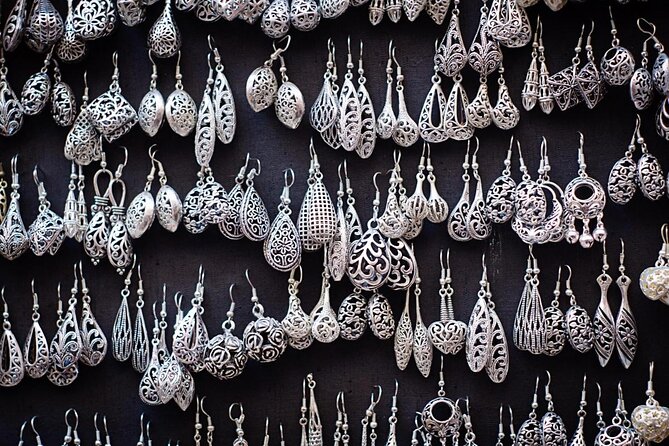
- Celuk workshops up first: see silver and gold work in the village’s artisan galleries and workshops
- Mas woodcarving center: watch hand-chiseled carving and learn how the style connects to Bali’s myth and ritual
- Ubud art with a guide: get a quick framework for traditional vs contemporary painting and what makes it Balinese
- Admissions handled: each main stop includes its admission ticket
- Small group cap: limited to 15 travelers, which helps keep the tour from feeling rushed
Not quite the one? These Ubud tours book out fastest.
- All-Inclusive Ubud Private Tour★ 5.0 · 14,344 reviews
- Best of Ubud Full-Day Tour with Jungle Swing★ 5.0 · 8,571 reviews
- Ubud: Monkey Forest, Jungle Swing, Rice Terrace, and Water Temple★ 5.0 · 7,160 reviews
- Ubud: Waterfalls, Water Temple & Rice Terraces Private Tour★ 5.0 · 5,484 reviews
The 4-hour route: a fast way to understand Ubud crafts
This is built like a simple craft sampler: village crafts first, then a more polished Ubud art stop to wrap things up. The whole tour runs about 4 hours, with roughly 1 hour at each major stop, so you’ll leave with a clearer sense of what you’re looking at.
Because the schedule is tight, you’ll want to use the guide time well. Ask practical questions while you’re watching makers work, not just at the end in shops. The guide’s explanations are what turn souvenir shopping into actual understanding.
Pickup, timing, and the small-group feel
Pickup is included from major hotel areas like Kuta, Seminyak, Sanur, Jimbaran, and Nusa Dua, and you’ll return afterward. The start time is 8:30 am, which is handy because it gives you a full day afterward if you decide you want more Ubud.
A key value point here is the group size cap: max 15 travelers. That usually means less standing around and more time for questions when you’re at the workshops. You’ll also see fewer people trying to squeeze into the same doorway for photos.
Transportation is by coach, and you’ll be using it to hop between Celuk, Mas, and Ubud. That’s important because Bali’s craft centers aren’t all in one walkable zone. This tour solves the “where do I go first” problem fast.
Celuk Village: gold and silver work you can actually watch
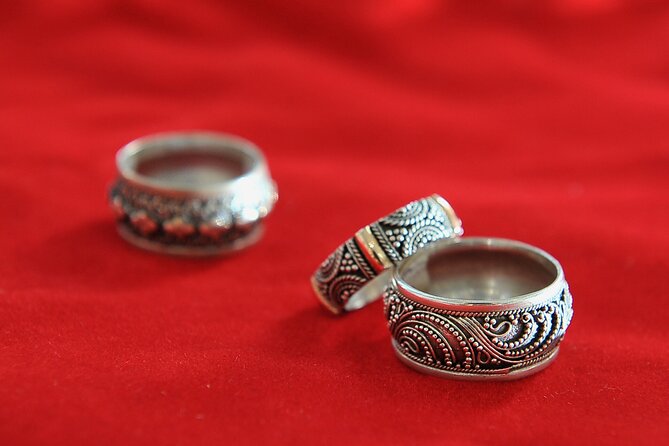
Celuk is the opening act for a reason. It’s known for silver and gold workshops, and this stop focuses on jewelry-making rather than finished product racks. You go with a guide, which matters because the process can look mysterious if you only see the end results.
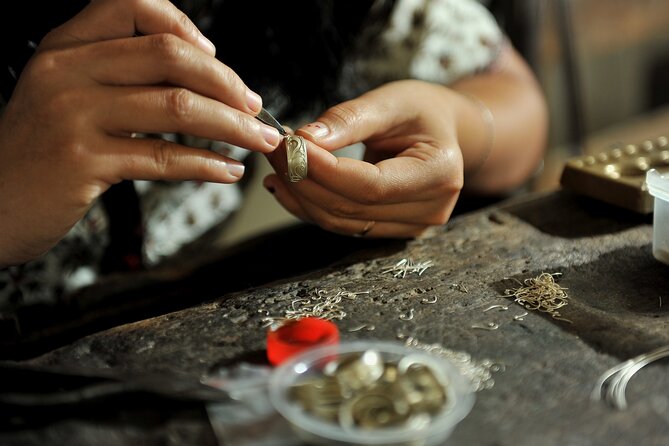
You’ll spend about 1 hour in Celuk, moving through artisan workshops and galleries where jewelers design and create intricate pieces. The best part is that you’re not just shown items; you’re shown how the work gets made, with explanations tied to how families of jewelers live and work in the village.


How to shop wisely in Celuk
Celuk is where you’ll be tempted to buy early. That’s not bad, but I’d shop like this:
- Look first for craftsmanship you can explain after the stop (not just a pretty design).
- Ask what you’re looking at in plain terms: material type and how the piece is made, as far as the guide can explain.
- If you’re chasing value, keep mental notes on what you liked—because the later Ubud stop may change your price expectations.
Also, keep in mind that this is a tour with a shopping component. That can be useful if you want guidance and curated options. Just don’t let “convenient” replace your instincts on quality and price.
Mas Village: hand-carved wood, Hindu figures, and mask culture
Mas is where the tour shifts from metal to wood, and it’s a great contrast. This village is famous for its wood sculptures, especially a style known for naturalistic forms and myth-inspired characters. Expect to spend about 1 hour here watching carving work and learning what makes Mas distinctive.
The carving center emphasizes craftsmanship: you’ll meet and observe local woodcarvers who still work by hand. You’ll also learn about the history of woodcarving on the island, and how Mas’s recognizable style relates to Balinese culture.
One specific, useful cultural highlight is the focus on masks. You may see and talk about masks used in traditional dance and ritual ceremonies. That’s the kind of detail that helps you understand why certain faces, shapes, and expressions keep showing up in carvings.
The practical side: what to look for in carved pieces
Woodcarving is one of those categories where the “pretty souvenir” and the “artist’s work” can look similar from far away. In Mas, slow down and focus on things you can judge:
- Consistency of carving details (edges, texture, and finish)
- How the piece handles character or expression (not just symmetry)
- Whether the design looks like it fits a cultural role, not only decoration
If you’re buying a mask, ask how it’s connected to dance or ceremony. Even if the answer is brief, it helps you choose a piece that feels grounded in the culture rather than generic.
Ubud Art Market and galleries: where traditional and contemporary meet
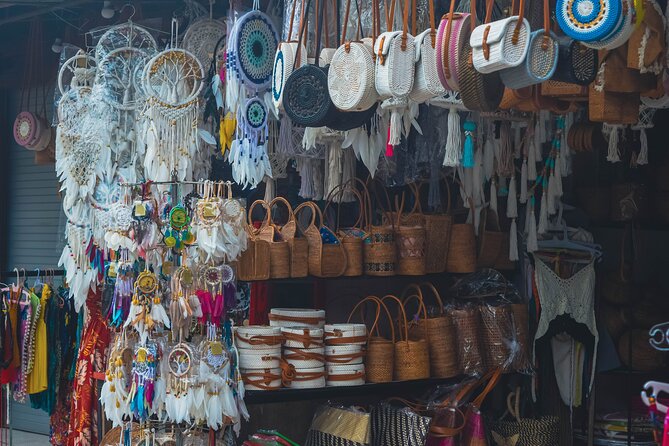
After Celuk and Mas, you land in Ubud, Bali’s arts and culture hub. This is the payoff stop for many people because Ubud is where you can compare types of art side by side and see how the craft world keeps evolving.
You’ll spend about 1 hour in the Ubud Art Market area with a guide, looking at galleries and workshops. The emphasis here is on paintings and other items by both traditional makers and more contemporary artists. The guide’s role is to help you spot what makes Balinese art distinct, so your shopping eyes get sharper fast.
Traditional vs contemporary: what to expect
If you’ve only seen Bali as beaches and temples, Ubud can surprise you. Here, traditional themes and contemporary approaches show up in the same general art ecosystem. That makes it easier to decide what you actually want to take home: a piece that leans classic, or something that feels more modern while still clearly Balinese.
One practical tip: decide your budget before you enter the higher-end sections. This tour’s final stop includes shops and galleries with a more polished feel, and pricing can reflect that. If you’re aiming for best deals only, keep your expectations realistic and compare what you like to what you see later in other parts of Bali.
Price and value: is $50 a fair deal?
At $50 per person, this tour isn’t trying to be a bargain basement option. What justifies the price is the combination of guided craft access plus hotel pickup and drop-off, with admissions included for the main stops.
You’re also not paying separately for each craft stop’s entry, and you’re getting a structured route that saves planning time. For a first Ubud-focused day, that’s often the real value: you spend your energy learning and comparing, not chasing transportation or figuring out which workshop is the right one.
What’s not included is also important. Food and drinks aren’t included, so budget for water and a meal afterward. Starting at 8:30 am also means you may want breakfast planned before pickup.
The shopping reality: useful, but don’t lose your steering wheel
Let’s talk about what to watch for. This tour takes you through craft areas and then into Ubud’s higher-quality shops and galleries. That’s helpful if you want a guided look and you’re okay paying for convenience.
But the shopping experience can feel “helpful” in the same way a hotel lobby feels like it’s set up to sell you something. You can still get good items, but you’ll want to:
- Treat the tour stops as guided showrooms, not your only price reference
- Be willing to walk away
- Compare designs and materials across stops before you commit
One thing I’d keep in mind: jewelry can be expensive, and wood carvings vary a lot by detail level and finish. If you’re serious about value, use the tour to learn and shortlist, then shop with clear criteria.
Who this tour suits best (and who might want something else)

This fits you if you want a structured way to see Bali’s crafts without sacrificing most of your day. It’s also a good option when you’re staying in the broader Kuta/Seminyak/Sanur/Nusa Dua zone and don’t want to build a full driving plan for just a few hours.
It’s less ideal if you only want free-roaming markets and maximum bargaining flexibility. The tour is guided, scheduled, and built around craft and gallery stops, so it won’t feel like total freedom.
It’s also a solid match for first-timers in Ubud who want context. You’ll come away with a better sense of what to look for in silver work, woodcarving styles, and Balinese-themed art—especially masks and myth figures.
What I’d do to get the most out of it
If you want this tour to pay off, do two things:
- Ask questions during the workshop viewing, especially about materials and cultural meaning.
- Decide what you’re buying before you hit the most upscale galleries, so you’re not making rush decisions.
Bring your curiosity. The best moments are usually the ones where you’re watching a maker at work and the guide is explaining what you’re seeing in plain language. That’s where the tour stops feeling like a quick shopping loop.
Should you book this Ubud Arts & Crafts Tour?
Book it if you want a quick, guided introduction to Bali’s craft world with pickup included and admissions handled. It’s strong value for what you get: three craft-focused stops, a guide who helps you interpret what you see, and a small group size that keeps the experience from feeling chaotic.
Skip or consider another option if you’re mainly chasing the lowest prices or you prefer markets where you can freely wander without a shop-and-gallery rhythm. Also, remember you’ll need to handle food and drinks yourself, since they’re not included.
If you’re spending a limited time in Ubud, this tour is a smart first step. It helps you spot what you actually like, not just what’s easy to buy.
FAQ
How long is the Ubud arts and crafts tour?
It runs for about 4 hours.
What stops are included on the tour?
You’ll visit Celuk Village (gold and silver workshops), Mas Carving Center (woodcarving and masks), and the Ubud Art Market (art galleries and paintings).
Is hotel pickup and drop-off included?
Yes. Pickup and drop-off are included from major hotels in the Kuta, Seminyak, Sanur, Jimbaran, and Nusa Dua areas.
Are admission tickets included?
Yes. Admission tickets are included for the main stops (Celuk, Mas, and the Ubud Art Market).
Is food or drinks included?
No. Food and drinks are not included.
How big is the group?
The tour has a maximum of 15 travelers.
What time does the tour start?
The start time is 8:30 am.
Is there a mobile ticket?
Yes. A mobile ticket is included.
Can I cancel for a refund?
Yes. You can cancel for a full refund up to 24 hours in advance of the experience’s start time.
More to See and Do in Ubud





More Ubud Tours We Rate

Just added around Ubud
- Ubud: White Water Rafting with visit Ubud Monkey Forest
★ 5.0 · 3 reviews - Private Guided Bali Car Charter
★ 5.0 · 3 reviews - East Bali and Lempuyang Temple Tour
★ 5.0 · 3 reviews - Bali Downhill Cycling and White Water Rafting
★ 5.0 · 3 reviews - Cave Tubing Adventure in Ubud
★ 5.0 · 3 reviews
Tours, compared.
 ★ 5.0All-Inclusive Ubud Private TourFrom $10014,344 reviews
 ★ 5.0Best of Ubud Full-Day Tour with Jungle SwingFrom $568,571 reviews
 ★ 5.0Waterfalls, Water Temple & Rice Terraces Private TourFrom $295,484 reviews
 ★ 4.9All-Inclusive Tour with Optional LunchFrom $275,438 reviews
 ★ 5.0Best of Ubud 1-Day Private TourFrom $544,451 reviews
 ★ 5.0Tanah Lot and North Bali Tour: Scenic JourneyFrom $1003,620 reviews
Bali Snorkeling Tour at Blue Lagoon Beach – All-InclusiveFrom $402,928 reviews
★ 5.0Tanah Lot and North Bali Tour: Scenic JourneyFrom $1003,620 reviews
Bali Snorkeling Tour at Blue Lagoon Beach – All-InclusiveFrom $402,928 reviews
 ★ 5.0Full-Day Tour to Water Temples and UNESCO Rice Terraces in BaliFrom $392,539 reviews