
Reviewed · UBUD
Traditional Balinese Meal in Ubud in Dewa’s Family Village Home
Balinese dinner at home is a backstage pass. What makes this one special is the private family compound meal and the Ubud hotel pickup. I love the farm-fresh setup that puts real herbs and ingredients on your plate, and I like that you’re not just eating—you’re seeing how Dewa and Jero’s family life connects to food in Keliki’s terraced foothills.
One thing to consider: this is not a shared dining-table experience. In keeping with their Balinese family tradition and spirituality, your hosts eat separately and focus on personal meditation, so it’s a calmer, less performance-style meal than the typical tourist dinner.
In This Review
- Key highlights worth planning around
- Price and value: what $56 buys you in Ubud
- How the timing and meeting points actually work
- Stop-by-stop: what happens before your plate arrives
- The pickup moment: arriving in the right mood
- Traveling to Keliki foothills: why the setting matters
- The spice and fruit walk: learning with your senses
- Touring the family compound: pavilions, courtyard, daily life
- The meal you’ll actually eat: dishes to expect and why they’re special
- Cultural etiquette: eating separately (and how to not make it awkward)
- Who this is best for (and who might want a different Bali plan)
- My take on the overall experience value
- Should you book it?
- FAQ
- How long is the Balinese home dinner experience?
- Is hotel pickup included?
- What if I’m staying outside Ubud?
- What dishes might be served?
- Is there a vegetarian option?
- Is this a private experience?
- Are beverages included?
- Where do I meet and where does it end?
- When will I receive confirmation after booking?
- Can I cancel for a full refund?
Key highlights worth planning around
- Pickup from Ubud hotels makes it an easy night out without the scooter stress
- Spice and fruit walk introduces ingredients like galangal, cloves, cacao, and nutmeg and what they’re used for
- Walled family compound layout (open pavilions around a courtyard) gives real context for daily Balinese life
- Farm-to-table dishes such as pepes ikan, bumbu kuning, bregedel, and jukut urab
- Hosts’ spirituality shapes the meal: you eat, they eat, and the mood stays quiet and reflective
- Private group format means your questions and pace stay yours
Not quite the one? These Ubud tours book out fastest.
- All-Inclusive Ubud Private Tour★ 5.0 · 14,344 reviews
- Best of Ubud Full-Day Tour with Jungle Swing★ 5.0 · 8,571 reviews
- Ubud: Monkey Forest, Jungle Swing, Rice Terrace, and Water Temple★ 5.0 · 7,160 reviews
- Ubud: Waterfalls, Water Temple & Rice Terraces Private Tour★ 5.0 · 5,484 reviews
Price and value: what $56 buys you in Ubud
At $56 per person for about 2 hours, this isn’t a “cheap bite” experience. But it’s also not overpriced for what’s included—especially in Bali, where transportation and food experiences can add up fast.
Here’s the value logic. You get hotel pickup and drop-off from Ubud hotels only, plus an in-home meal, beverages, and gratuities are included. You’re also not sharing this with strangers; it’s private, meaning the host can tailor attention to your group and you can ask questions at a human pace.
The biggest “value” isn’t just the dishes—it’s the access: a look inside a traditional Balinese family compound and a meal built from ingredients grown and handled in that setting. If your Bali goal is culture you can touch (and taste), this fits.
How the timing and meeting points actually work
This experience runs roughly 2 hours. It’s designed as a dinner-style visit, and you’ll likely feel that in the pacing—walking, learning, then settling in for food.
If you’re staying in Ubud, pickup is part of the deal. If you’re not in Ubud, you meet the host at Alam Sari Resort, Jl. Raya Keliki, Keliki. Your start point is listed at Rumah Makan Jero Nini (Jl. Arjuna, Keliki, Tegallalang, Gianyar, Bali), and the activity ends back at the meeting point.
Two practical tips:
- Bring a little patience for village roads. Even when pickup is on time, the drive to the foothills can still feel slower than a city hop.
- Wear something comfortable for walking. You’re touring grounds before you eat, so you’ll want easy shoes.
Stop-by-stop: what happens before your plate arrives






The pickup moment: arriving in the right mood
The experience starts with convenient pickup from your Ubud hotel (if you’re eligible). This matters because it frees you from navigating unfamiliar roads while you’re already hungry and excited.
Once you’re in the car, you’re moving toward a different pace of Bali than the one centered on cafés and scooters. That shift sets you up for the rest of the evening—less rushed, more attentive.
Traveling to Keliki foothills: why the setting matters
You’ll head to the village area just north of Ubud, in the terraced foothills. It’s not just a background. The compound is built into daily life: family spaces, open pavilions, and a central courtyard all reflect how Balinese homes function as living systems.
The practical downside: the visit isn’t right in Ubud’s center. If you like last-minute flexibility or you hate travel time, it might feel like “a trip within a trip.”
The spice and fruit walk: learning with your senses
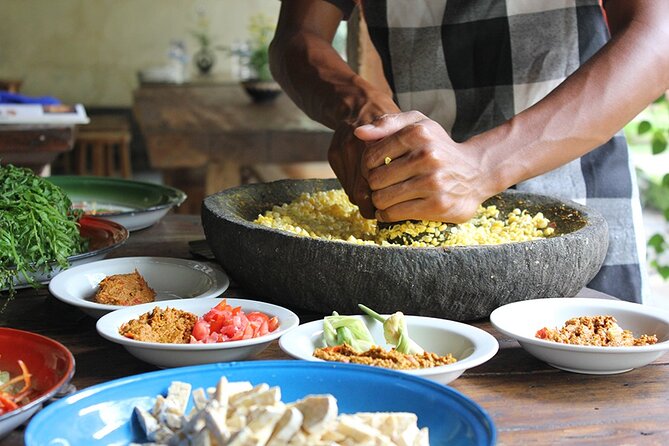
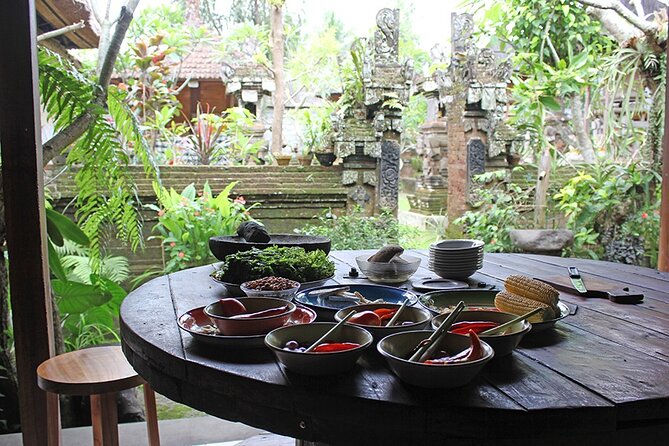
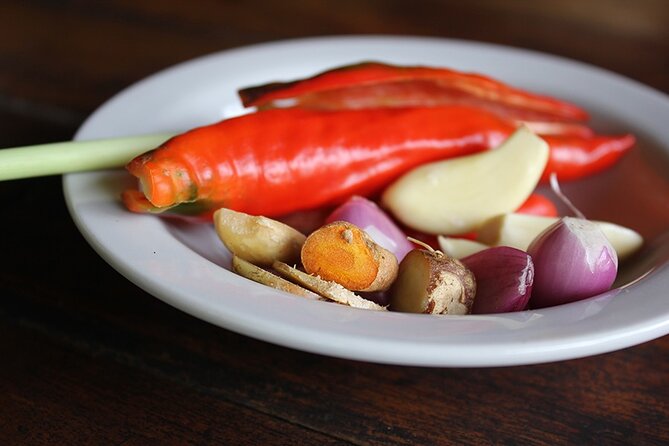
Near the home, you’ll discover Balinese fruits, herbs, and spices—with examples including galangal, cloves, cacao, and nutmeg. The host also shares medicinal properties, which is a big reason this walk feels more than a photo stop.
Food in Bali is deeply connected to plants. You’ll understand why certain ingredients show up repeatedly in home cooking: smell, tradition, and everyday use all overlap.
What I like about this part is how it prepares your brain for what’s coming next. When you later taste dishes like bumbu kuning (chicken in turmeric and coconut milk sauce), you’re not guessing. You’re already tracking familiar aromas.
Touring the family compound: pavilions, courtyard, daily life
Before the meal, you get a short tour of the compound: multiple open pavilions around a central courtyard, where the family and extended relatives live. This part helps you understand the invisible rules of the place—where people gather, where work happens, and how spirituality is woven into household rhythm.
You’ll see a real home with active family life, plus connections to the spaces people use for worship. Even if you’re not fluent in Balinese culture, the layout makes the meaning easier to read.
The meal you’ll actually eat: dishes to expect and why they’re special
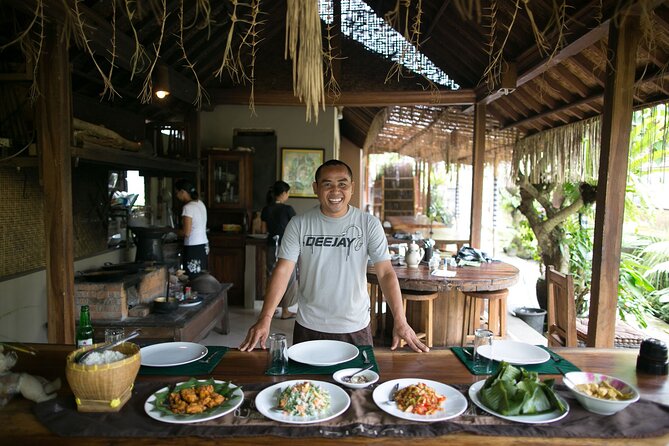
This is a homecooked dinner, not a cooking-show performance. Your meal may include classics such as:
- Pepes ikan: grilled tuna in banana leaves
Banana leaf cooking keeps flavors gentle and fragrant. It’s also the kind of dish that feels comforting rather than heavy.
- Bumbu kuning: chicken in turmeric and coconut milk sauce
Turmeric gives warmth and color. Coconut milk rounds it out, so you get depth without sharpness.
- Bregedel: corn fritters
Think savory, lightly crisp bites that work well with saucy mains.
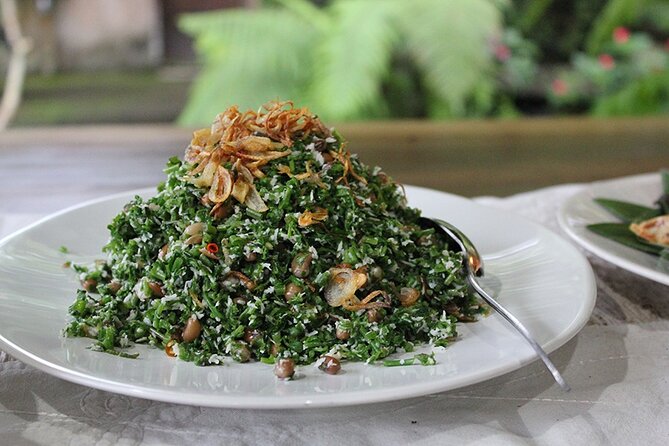
- Jukut urab: seasonal vegetables with grated coconut and fried shallots
This is one of those dishes that proves Balinese vegetables can be the star, not the side.
Beverages are included, and the experience aims for a farm-to-table feel. One practical note: you’ll likely taste that the ingredients are handled in-house, and that can make flavors feel more grounded than what you get in many restaurant kitchens.
If you’re vegetarian, there is a vegetarian option—just tell the provider when you book. Don’t wait until the last minute; dietary adjustments take time to prepare in a family kitchen.
Cultural etiquette: eating separately (and how to not make it awkward)
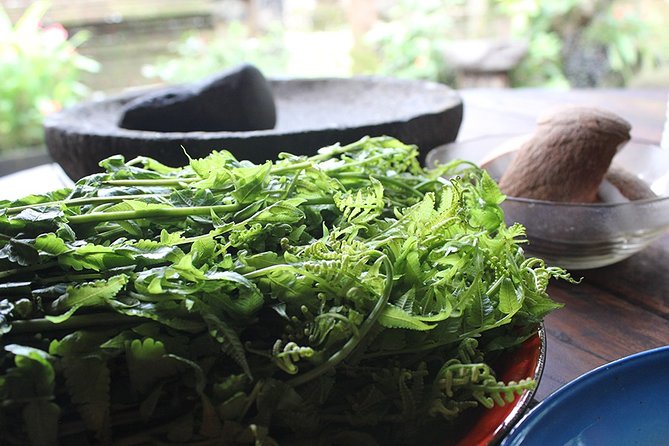
The hosts will not share the meal with you at the dining table. Instead, their approach is personal and spiritual: they eat on their own and focus on meditation to maintain a positive state of mind.
This is the part that can surprise people. If you come expecting the host to sit and chat through every course, you might feel a little unmoored at first.
Here’s how to handle it gracefully:
- Keep the tone calm. This meal isn’t a loud celebration, and that’s part of the authenticity.
- Use the earlier moments—during the spice walk and compound tour—for questions and conversation.
- Treat the quiet as part of the experience, not a service gap.
In practice, the result is a dinner that feels respectful. It’s less about acting out hospitality and more about sharing culture through food and place.
Who this is best for (and who might want a different Bali plan)
This experience fits you if:
- you want authentic home-style food rather than a scripted restaurant meal
- you like hands-on cultural context—spices, plants, and daily household spaces
- you’re traveling as a couple, friends, or a small group who enjoys quieter activities
It might not be ideal if:
- you need a high-energy, conversation-heavy format during the meal
- you’re very time-crunched and can’t handle a village drive north of Ubud
- you prefer big group dinners with lots of interaction at the table
Accessibility note: the activity says most travelers can participate, and it’s near public transportation, but the visit involves walking around a home compound and grounds—so bring sensible footwear.
My take on the overall experience value
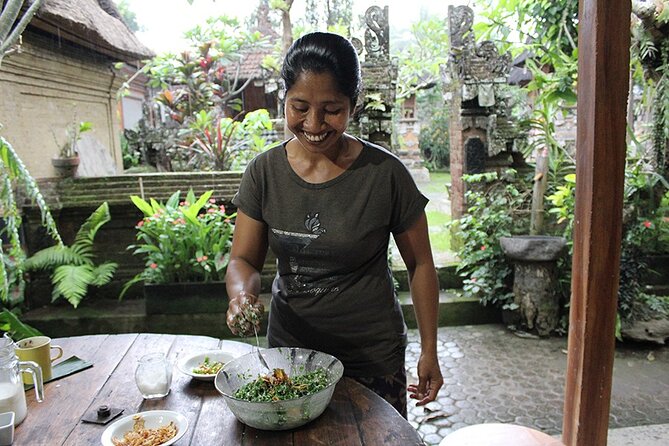
If you’re trying to choose between another generic Bali dinner and something more meaningful, this one makes a strong case. The reason is simple: you’re not just eating Balinese dishes—you’re connecting them to a family compound, a spice/fruit introduction, and how the household approaches spirituality.
Yes, the meal won’t be host-led at the table. But that’s also the point. The structure keeps the experience grounded, reflective, and true to how families actually live and eat.
Should you book it?
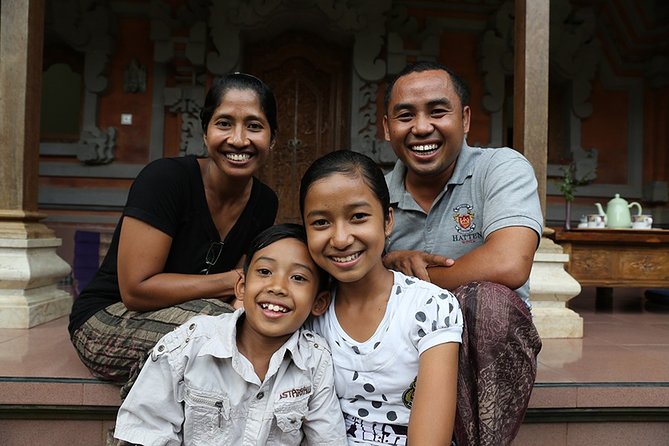
Book it if your Bali wish list includes real home cooking, a clear look at ingredients like turmeric-based sauces and banana-leaf grilling, and a night that feels more intimate than a restaurant.
Skip it if you want a loud, social dining experience where the host stays right beside your table the whole time. Also, if you’re not in Ubud, plan ahead for the Alam Sari Resort meeting point so you don’t lose time hunting the location.
If you match those preferences, this is the kind of meal that stays with you longer than the average sunset dinner.
FAQ
How long is the Balinese home dinner experience?
It’s about 2 hours (approx.).
Is hotel pickup included?
Yes, hotel pickup and drop-off are included for Ubud hotels only.
What if I’m staying outside Ubud?
You’ll meet the host at Alam Sari Resort (Jl. Raya Keliki, Keliki).
What dishes might be served?
The menu may include pepes ikan (grilled tuna in banana leaves), bumbu kuning (chicken in turmeric and coconut milk sauce), bregedel (corn fritters), and jukut urab (seasonal vegetables with grated coconut and fried shallots).
Is there a vegetarian option?
Yes. You should advise the provider at the time of booking if you want vegetarian.
Is this a private experience?
Yes. Only your group participates.
Are beverages included?
Yes, beverages are included.
Where do I meet and where does it end?
The meeting point is listed as Rumah Makan Jero Nini in Keliki (Tegallalang area), and the activity ends back at the meeting point.
When will I receive confirmation after booking?
Confirmation is received within 48 hours of booking, subject to availability.
Can I cancel for a full refund?
Free cancellation is available. You can cancel up to 24 hours in advance for a full refund.
More Ubud Tours We Rate





Just added around Ubud
- Ubud: White Water Rafting with visit Ubud Monkey Forest
★ 5.0 · 3 reviews - Private Guided Bali Car Charter
★ 5.0 · 3 reviews - East Bali and Lempuyang Temple Tour
★ 5.0 · 3 reviews - Bali Downhill Cycling and White Water Rafting
★ 5.0 · 3 reviews - Cave Tubing Adventure in Ubud
★ 5.0 · 3 reviews