
Reviewed · UBUD HIGHLIGHTS TOURS
The Enchantment of Ubud Tour
Wayang paintings and herons in one day. I like this tour because it links Balinese art (from museum to market) with a countryside breather at Petulu’s white herons. That mix is why it feels more like a personal route through Ubud’s culture than a checklist.
Two things I genuinely enjoy: the Puri Lukisan Museum stop, where you get context for classic Balinese painting styles, and the chance to see the heron colony at Petulu in the months when they nest. One drawback to consider up front: this is still an art-focused route, and some tours in this style can feel a bit salesy or light on storytelling depending on how your guide runs the day.
I also appreciate that you get hotel pickup and drop-off, air-conditioned transport, and entrance fees bundled in. At $62.83 per person, it’s a decent value if you want a guided day without planning every leg yourself—but it’s worth having realistic expectations about how much you’ll learn and how much you’ll be shopping-browsing.
In This Review
- Key takeaways before you go
- A 1:00 pm cultural circuit across Ubud and the countryside
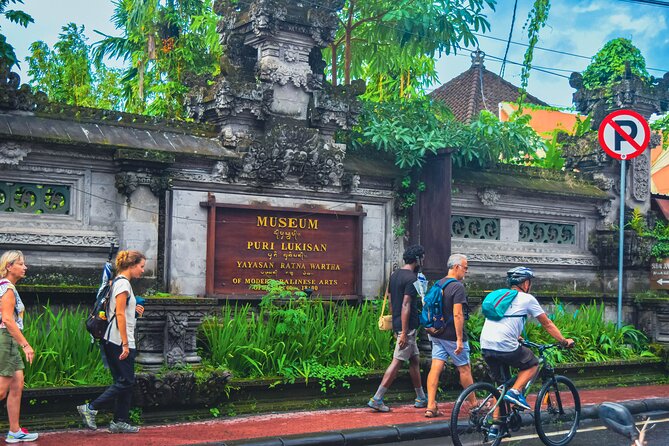
- Puri Lukisan Museum: where Balinese painting styles make sense
- Ubud Palace (Puri Saren Ubud): architecture, power, and a royal compound feel
- Ubud traditional art market: bargaining, browsing, and sales pressure reality checks
- Petulu Village and the white herons: the seasonal timing that matters
- Transport, group size, and comfort: where your day can feel great or cramped
- Price and value: what $62.83 buys you (and what it doesn’t)
- Who should book this Ubud tour—and who might regret it
- Should you book the Enchantment of Ubud Tour?
- FAQ
- What time does the tour start?
- How long are the main stops?
- What does the ticket price include?
- Are meals included?
- Is the tour weather dependent?
- When is the best time to see the white herons at Petulu?
- Is there a group size limit?
Key takeaways before you go
- Wayang-style painting context at Puri Lukisan Museum: you’ll learn about the painting tradition that dominated Bali’s output before the 1920s
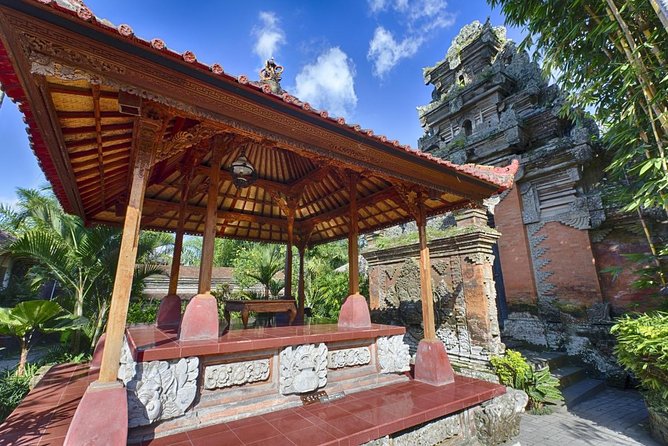
- Puri Saren Ubud Palace views: a look at the intricate compound architecture tied to Bali’s last monarch
- Ubud traditional art market time: real bargaining practice for paintings and wood carvings
- Petulu Village herons depend on the season: thousands of white herons are most common October through March
- Small-ish group size: the tour caps at 15 people, with an English-speaking licensed guide
- Transport + admission included: pickup/drop-off from nearby coastal areas, plus tickets for each main stop
The full-day loop that ties the big Ubud sights together.
- Best of Ubud Full-Day Tour with Jungle Swing★ 5.0 · 8,571 reviews
- Best of Ubud 1-Day Private Tour★ 5.0 · 4,451 reviews
- Best of Ubud Attractions: Private All-Inclusive Tour★ 5.0 · 1,150 reviews
- Private Day Tour: The Highlight of Ubud★ 5.0 · 1,136 reviews
A 1:00 pm cultural circuit across Ubud and the countryside
This tour runs about 7 hours and starts at 1:00 pm, which is a smart choice if you want a slower morning and a full afternoon into early evening. You’ll be picked up from major hotel areas such as Kuta, Seminyak, Sanur, Jimbaran, and Nusa Dua, then driven into central Ubud.
What I like about the timing is that you get daylight for the museum and palace, then you head out toward the greenery for Petulu. What to watch: travel times can swing based on traffic, so think of the listed “about 1 hour” stops as a guideline rather than a metronome.
This is also an all-weather tour, but that doesn’t mean it turns into a comfort spa if rain hits. Dress for heat and possible showers, and plan on sitting in a vehicle for stretches while the group moves between stops.
Puri Lukisan Museum: where Balinese painting styles make sense
The first big cultural anchor is Museum Puri Lukisan (Puri Lukisan Museum). This isn’t just a room full of art; the visit is structured so you learn how Balinese painting developed and what makes certain styles recognizable.
You’ll explore exhibits tied to famous Balinese sculptors and painters, plus examples of the wayang-style painting technique—a method that was a major part of Bali’s output before the 1920s. If you’ve ever seen Balinese art and wondered why it looks the way it does, this kind of explanation helps you see beyond the surface.
You’ll also come across different traditional techniques, including styles described as Batuan (linked to Brahman artists) and Sanur, which uses a highly stylized approach to depict animals. That’s the sort of detail that makes the art feel less random and more like a language with rules.
One practical point: this is a museum stop with included admission and about an hour on site. If you’re the type who likes to slow down and read every label, you might want to pace yourself. If you’re more about spotting style differences, you’ll likely feel satisfied within the time window.
Ubud Palace (Puri Saren Ubud): architecture, power, and a royal compound feel
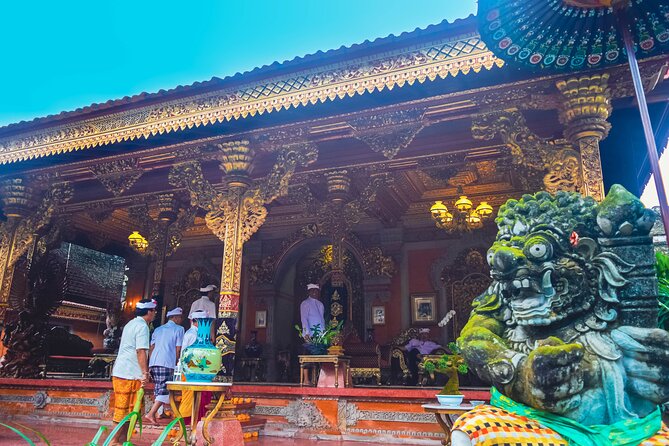
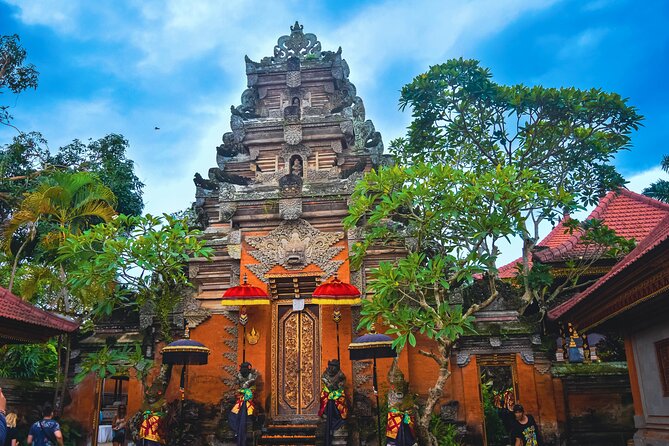
Next up is Puri Saren Ubud, the former royal residence of Bali’s last monarch. This stop works well if you enjoy architecture—especially ornate woodwork and carved details—because the compound is described as having intricate carved elements and traditional buildings.
You’ll spend around an hour here, which is usually enough to see the main structures and soak in the atmosphere without turning it into an endurance event. The goal isn’t a deep political lecture; it’s more of a visual walkthrough of how the royal lifestyle looked and how the architecture communicated status.
What I like: palace visits in Bali can give you a “why does this island look like this?” moment. The palace compound helps connect the art you saw at Puri Lukisan with the wider cultural system—how design, craft, and tradition show up in real places.
What to consider: if you’re hoping for heavy commentary the whole time, your experience can depend on how your guide explains what you’re looking at. The palace is beautiful on its own, but the learning is what turns a nice visit into a memorable one.





Ubud traditional art market: bargaining, browsing, and sales pressure reality checks
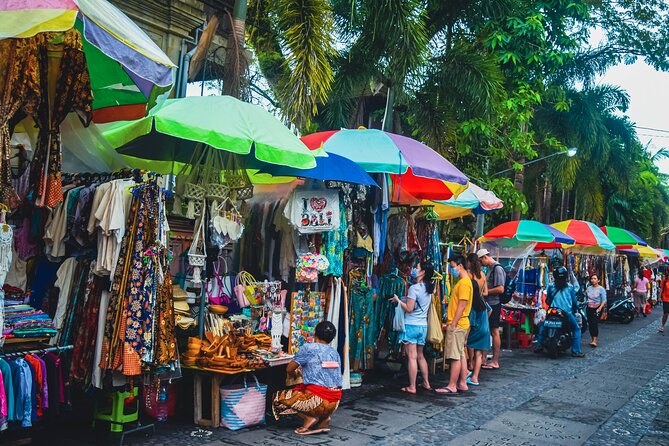
After the palace, you head across to the Ubud traditional art market, described as one of Bali’s older art markets. This is where you’ll see a mix of handmade crafts and more contemporary art offerings, including paintings and wood carvings.
This stop is also built around bargaining. Your guide is there to help you practice negotiating for a better price, and the market visit is set for about an hour with admission included.
Here’s the honest practical angle: an art market can be fun and it can be tiring. If you love shopping and you’ve got a clear budget, this part can be the highlight because you’re choosing pieces in person. If you don’t want to buy anything, you’ll still want a strategy for staying comfortable while you browse, especially if certain stalls feel more commission-driven.
A tip that keeps you in control: set a “max you’ll pay” number in your head before you walk in. Even if bargaining is part of the fun, you’ll enjoy yourself more when you’re not guessing your ceiling on the spot.
Also, consider what you’re bringing home. Paintings and carvings can be fragile and bulky, and the tour doesn’t list shipping or packing services. If you think you’ll buy something large, plan for transport back to your hotel and then onward.
Petulu Village and the white herons: the seasonal timing that matters
The countryside stop is Petulu Village, famous for white herons (kokokan). This is the “nature break” that balances the art focus of Ubud with something visual and calm.
You’ll travel from central Ubud toward the green countryside, passing rice fields along the way. Once you arrive, you’re there for the herons that nest in the trees—people say they’ve called the area home since 1965.
The big timing detail: the tour description notes that you’ll see literally thousands of herons during October through March, when their chicks hatch. That doesn’t mean you’ll see nothing outside those months, but it does mean the odds—and the wow factor—are best in that window.
This stop runs about an hour. That’s a good length for this kind of wildlife-viewing experience because you can enjoy the birds without getting stuck waiting around. Bring patience anyway—herons don’t follow a schedule just because a bus arrives.
Transport, group size, and comfort: where your day can feel great or cramped
The tour includes air-conditioned vehicle transport plus hotel pickup and drop-off. The group size is capped at 15 travelers, so it’s not a giant crowd. Still, the vehicle size can make a big difference in comfort.
Some reviews associated with this type of tour mention cramped seating in a small bus. You can’t control that, but you can improve your comfort: wear clothes that breathe in Bali heat, keep a light layer handy if the AC is strong, and choose your seat with legs and back support in mind.
Because it’s a fixed route, you also don’t get much flexibility to add side stops or swap order mid-day. If you hate “drive, stop, repeat,” this might feel like a schedule more than a journey. If you like the structure, it’s one of the strengths: you’re not hunting taxis, and you’re not guessing which entrance line to use.
Your guide is listed as an English-speaking licensed guide, and the quality of interpretation is often what shapes the final rating for these tours. When the guide gives clear cultural context, the day clicks; when commentary is thin, the stops can feel more like photo ops than learning moments.
Price and value: what $62.83 buys you (and what it doesn’t)
At $62.83 per person, you’re paying for a guided day that includes round-trip transport, an English-speaking licensed guide, and entrance fees to the main stops. That bundle is the value—especially if you don’t want to organize tickets and driving yourself.
But food and drinks are not included, so you’ll want to budget for a meal or snacks during breaks. Also, the tour is art-centered, and the market stop is designed for shopping and bargaining. If you don’t plan to buy anything, your “value per dollar” can feel lower than if you find a piece you truly love.
Compared to hiring a private driver, this tour usually costs less and saves planning time. Compared to self-guided wandering, it costs more but gives structure and interpretation—assuming your guide is active with explanations.
One more value note: because Petulu is strongest October through March, your trip timing affects how satisfying that nature stop feels. If you’re traveling in another month, the heron viewing may be less dramatic than the peak-season expectation.
Who should book this Ubud tour—and who might regret it
I’d steer you toward this tour if you want:
- a guided art-and-culture route through Ubud in one afternoon and early evening
- museum and palace visits with included admission
- the chance to practice bargaining in a traditional market with help from your guide
- a countryside break at Petulu Village, especially if you’re visiting October–March
I’d think twice if you:
- hate any hint of a sales push during art stops
- want lots of deep, uninterrupted commentary at every stop
- need very roomy seating and dislike group transport, even with air-conditioning
If you’re traveling with older adults, you’ll want to be extra mindful about vehicle comfort. If you’re the type who can handle a schedule and then enjoy the stops on your own, you’ll likely be happier even if some explanations are brief.
Should you book the Enchantment of Ubud Tour?
Book it if you want a guided, packed-but-manageable Ubud day that combines museum learning, palace architecture, a traditional art market, and the herons at Petulu. The included transport and entrance fees are the practical win, and the Puri Lukisan context for painting styles is a real reason to go with a guide rather than wandering alone.
Don’t book it if you’re mainly chasing free-roaming Ubud time, want no market pressure at all, or expect a museum-level lecturer at every stop. Your satisfaction will depend on whether your guide keeps the day informative while still letting you browse at your pace.
If you do book, go in with a simple plan: bring water money, wear comfortable walking shoes, decide your shopping budget before you reach the market, and treat Petulu as a seasonal highlight (best in October–March). Do that, and this tour can feel like a smart snapshot of what makes Ubud tick.
FAQ
What time does the tour start?
The tour starts at 1:00 pm and runs for about 7 hours (approx.).
How long are the main stops?
The tour is planned with about 1 hour at each major stop: Puri Lukisan Museum, Ubud Palace, Ubud Traditional Art Market, and Petulu White Herons.
What does the ticket price include?
It includes hotel pickup and drop-off (from major hotel areas listed), an English-speaking licensed local guide, air-conditioned transportation, and entrance fees for the main stops.
Are meals included?
No. Food and drinks are not included.
Is the tour weather dependent?
It operates in all weather conditions, so you should dress appropriately.
When is the best time to see the white herons at Petulu?
The tour notes you’ll see the biggest numbers—literally thousands of herons—during October through March, when their chicks hatch.
Is there a group size limit?
Yes, the tour has a maximum of 15 travelers.
More to See and Do in Ubud





More Ubud Tours We Rate

The Best of Ubud in a Day


Just added around Ubud
- Ubud: White Water Rafting with visit Ubud Monkey Forest
★ 5.0 · 3 reviews - Private Guided Bali Car Charter
★ 5.0 · 3 reviews - East Bali and Lempuyang Temple Tour
★ 5.0 · 3 reviews - Bali Downhill Cycling and White Water Rafting
★ 5.0 · 3 reviews - Cave Tubing Adventure in Ubud
★ 5.0 · 3 reviews
Ubud Highlights Tours, compared.
 ★ 5.0Best of Ubud Full-Day Tour with Jungle SwingFrom $568,571 reviews
 ★ 5.0Best of Ubud 1-Day Private TourFrom $544,451 reviews
 ★ 5.0Best of Ubud Attractions: Private All-Inclusive TourFrom $571,150 reviews
 ★ 5.0Private Day Tour: The Highlight of UbudFrom $681,136 reviews
 ★ 5.0Discover The Best of Ubud: All-Inclusive and Private Guided TourFrom $30909 reviews
 ★ 5.0Ubud Tour with Monkey Forest Waterfalls Temples and MoreFrom $30495 reviews
 ★ 5.0Private Tour: Ubud HighlightsFrom $56368 reviews
 ★ 5.0Highlights of Ubud & Mount Batur Volcano – Private Day TripFrom $60274 reviews
Browse the lists this tour appears in