
Reviewed · TOURS
Rural Charm of Bali Tour
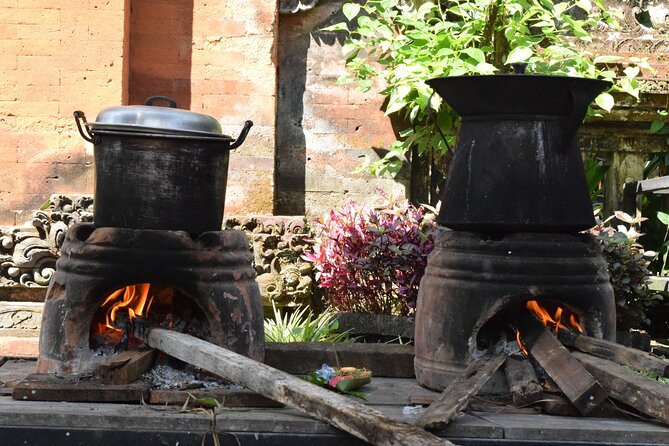
Skip the beach and head inland for real Bali. This rural Gulingan Village day focuses on everyday life, with a traditional kitchen lesson and lunch eaten in a pavilion by the fields. I especially like how the cooking demo ties directly to the ingredients you’ll see and taste, from spice grinding to classic dishes.
I also love the mix of low-key village activities and countryside walking, like bamboo music (gamelan), kite-flying, pond fishing, and wandering through coffee, vanilla, and clove plantations. One thing to plan for: there’s some walking on uneven rural paths, and the cooking portion can feel more like a demonstration than a full-on class where you do everything yourself.
In This Review
- Rural Bali in a Few Key Moments
- A Quiet Inland Day: Gulingan Village Outside Ubud
- Morning Pickup Timing and How Long You’ll Be Out
- Market-to-Kitchen Flow: Why the Spice Prep Matters
- Cooking Demonstration Reality Check: Tum Wrapping, Yellow Rice, and More
- Village Activities Between Rice Paddies: Kite, Gamelan, Fishing
- Coffee, Vanilla, and Clove Plantations: What You Should Pay Attention To
- Lunch in a Thatched Pavilion: The Part You’ll Be Glad You Waited For
- Guide Style and Group Size: How to Get the Best Version of This Day
- Price and Value at About $71.80 for 4–6 Hours
- Who This Rural Bali Tour Fits Best
- Should You Book This Gulingan Village Cooking Day?
- FAQ
- How long is the Rural Charm of Bali tour?
- What time does the tour start?
- Is hotel pickup and drop-off included?
- Do I get lunch?
- Is the cooking lesson hands-on or mostly watching?
- Is there walking involved?
- How many people are in a group?
- Is free cancellation available?
Rural Bali in a Few Key Moments
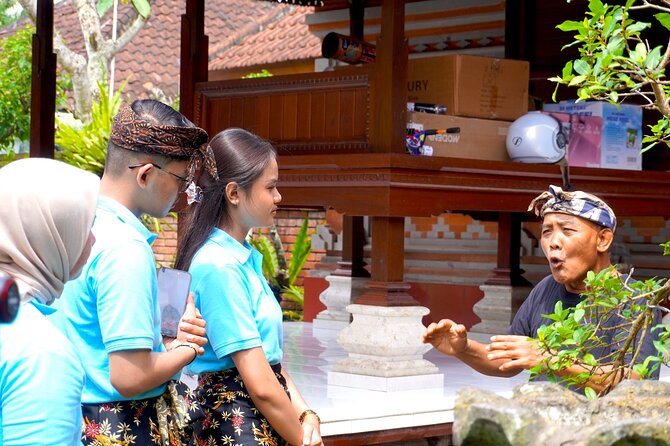
- Gulingan Village: a calm interior stop away from beaches and souvenir streets
- Traditional cooking demo with lunch: you’ll watch spice prep and taste what you learn
- Village activities: kite flying, pond fishing, and trying gamelan-style instruments
- Plantation walk: coffee, vanilla, and cloves are part of the stroll, not an add-on
- Hotel pickup and drop-off: built in for major Bali hotel areas around the south
Not quite the one? These Ubud tours book out fastest.
- All-Inclusive Ubud Private Tour★ 5.0 · 14,344 reviews
- Best of Ubud Full-Day Tour with Jungle Swing★ 5.0 · 8,571 reviews
- Ubud: Monkey Forest, Jungle Swing, Rice Terrace, and Water Temple★ 5.0 · 7,160 reviews
- Ubud: Waterfalls, Water Temple & Rice Terraces Private Tour★ 5.0 · 5,484 reviews
A Quiet Inland Day: Gulingan Village Outside Ubud
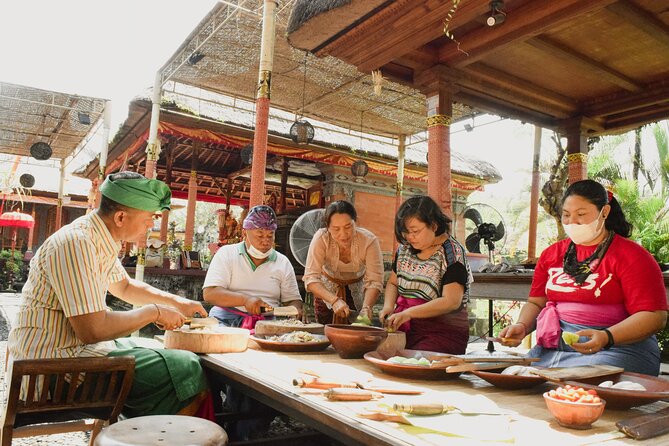
This tour is built for people who want Bali that feels lived-in. Instead of spending hours in traffic toward the next photo spot, you spend your time in the island’s interior—village lanes, terraced rice, and small farms with misty hills in the background. It’s the kind of day trip that slows you down without feeling boring.
The experience is anchored by Gulingan Village, plus rice terraces near the hamlet. You get a gentle blend of learning and doing: short cultural activities, a food lesson, and a lunch setting that’s genuinely scenic in a simple, rural way. If you’ve already done a few temple days and you’re craving something more hands-and-ears-to-the-place, this fits well.
Morning Pickup Timing and How Long You’ll Be Out
The tour starts at 9:00am, and pickup happens 30 minutes to 1 hour before that. Your exact time gets confirmed by the operator, so watch for the message once you book. If you’re staying outside the listed pickup areas, you may need to double-check what’s included for your hotel.
In total, expect about 4 to 6 hours. That time window matters because it keeps the day realistic. You won’t be wiping yourself out like on longer full-day excursions, but you still get enough hours to do the village walk, enjoy the cooking demo, and eat a proper lunch.
Also, wear shoes you’re willing to scuff. There is some walking through rural villages and rice fields, and your feet will feel it if you show up in flip-flops or thin sandals.
Market-to-Kitchen Flow: Why the Spice Prep Matters
A smart part of this day is that the food lesson starts before the cooking. You’ll visit a local traditional market where you can see fresh ingredients and local spices used in Balinese cooking. Even if you can’t remember every spice name, you’ll start recognizing the flavors when the class begins.
Then you move into the kitchen experience where you’ll get involved with spice work. You can expect grinding and mixing herbs and spices that create the base flavors for Balinese dishes. This is the difference between watching someone cook and actually learning why the food tastes the way it does.
This pacing is practical for your memory. After the market, the cooking demo doesn’t feel random. It connects to what you saw earlier—so you leave with at least a few flavor cues you can use later when you eat Balinese food in Bali or back home.


Cooking Demonstration Reality Check: Tum Wrapping, Yellow Rice, and More
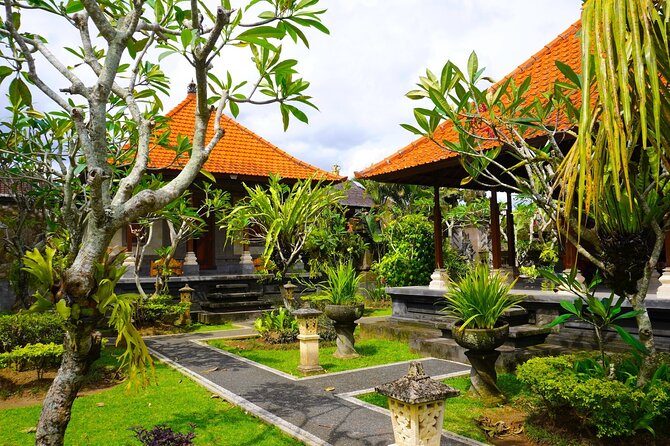
The headline is a traditional Balinese cooking demonstration, and you’ll be taught how to prepare dishes like Tum Wrapping, Yellow Rice, and fresh vegetables. You also sit down to eat what’s prepared during the lesson.
How interactive it feels can vary. One clear theme from past experiences is that it’s a demo first. Yes, you may do some hands-on tasks—especially with spice prep—but much of the actual cooking happens in front of you. If your goal is a full hands-on cooking class where you do every step yourself, set your expectations accordingly.
That said, the best part is usually the quality of the food and the setting. When the women demonstrating are confident and friendly, the whole session feels like a cultural exchange, not a performance. And since you’re learning about classic dishes rather than gimmicky fusion food, you’ll likely taste a real difference on your plate.
Village Activities Between Rice Paddies: Kite, Gamelan, Fishing
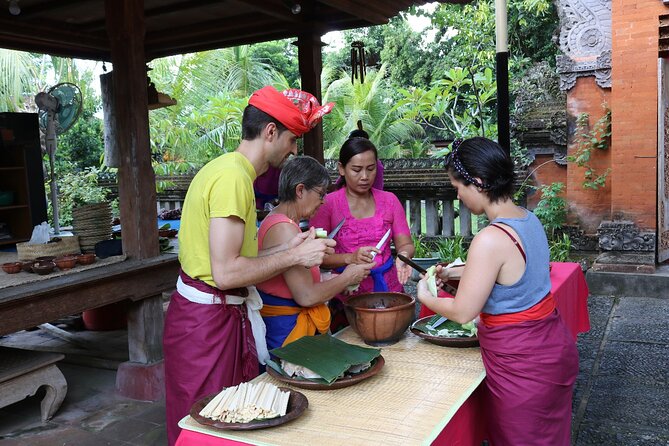
The rural charm isn’t just about food. Once you arrive, you’ll join a handful of village activities that show daily culture in small, practical doses. Depending on the group and timing, you might:
- fly a classic Balinese kite
- try playing gamelan (bamboo instruments used in ceremonies)
- go fishing in a local pond
- stroll through nearby farm fields
These aren’t “hard” activities. Think more like short cultural moments where you can participate safely and with guidance. It’s a nice pace break between the walking and the cooking lesson.
If you love hands-on cultural learning, this segment helps you feel connected to the setting. You’re not just looking at farms—you’re stepping into the rhythm of village life, even if only for a few hours.
Coffee, Vanilla, and Clove Plantations: What You Should Pay Attention To
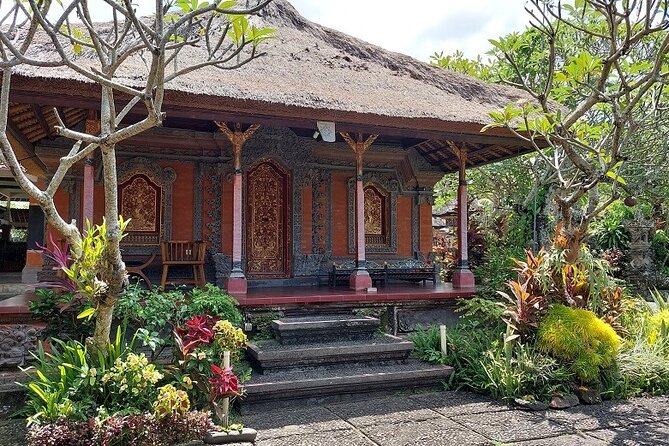
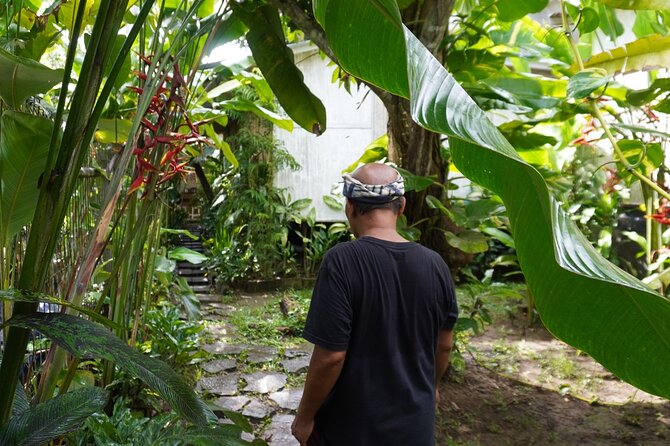
The walk through plantation areas is one of the most memorable parts for most people because it’s sensory. You’re not just hearing about spices—you’re walking where they grow. The experience is built around coffee, vanilla, cloves, and rice-related scenery.
During the walk, pay attention to how plants are described and handled. Vanilla and cloves are traded and sold widely, so seeing them growing (even if only briefly) gives you a better sense of what you’re actually eating when you order Balinese-style food. Coffee adds another layer: you can often tell the tour is trying to make the flavors feel grounded in place.
Don’t expect a long, guided botany lecture. This is more of a “see, walk, ask questions” segment. But if you’re curious, ask your guide what’s used locally and how ingredients change seasonally—those answers usually make the later lunch taste more meaningful.
Lunch in a Thatched Pavilion: The Part You’ll Be Glad You Waited For
After the demo and the market learning, you eat. Lunch is served in a customary pavilion set among the rice fields. The setting matters because it turns a meal into an event rather than a routine stop.
What you’ll likely have includes the dishes tied to the cooking lesson—especially the yellow rice, fresh vegetables, and the food prepared from the Tum Wrapping focus. The key is that it’s not just a buffet for show. The point is connection: you help with some prep, then you taste the result.
If you’re a picky eater, it helps to have a quick conversation with your guide early in the day. The food sounds simple on a menu level, but Balinese cooking can use spice blends that may feel strong if you’re sensitive. You don’t need to be adventurous to enjoy the meal—you just need to communicate what you can handle.
Also: take your time. This is one of the few moments in Bali where you’re meant to slow down and enjoy the countryside atmosphere.
Guide Style and Group Size: How to Get the Best Version of This Day
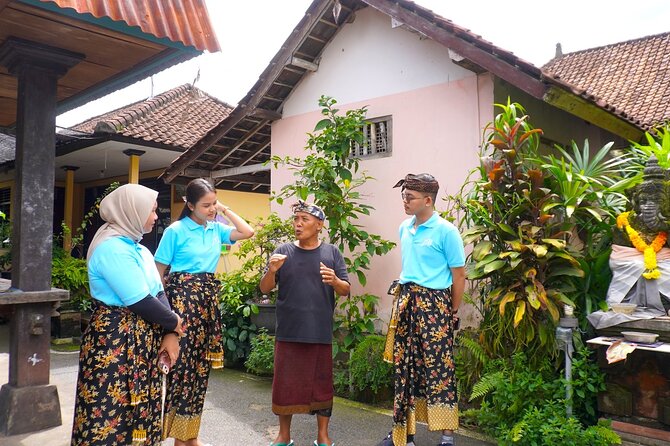
A big factor in this tour is your guide. In some experiences, guides are praised for being friendly, informative, and not pushy. In others, people have felt pressure to book additional tours from the same person. I can’t promise what you’ll get, but you can protect your day with a simple strategy: decide in advance whether you want upsells, and keep your answer short if someone starts steering you.
Guide energy also affects how fun the cultural activities feel. If your guide is strong, you’ll get clearer context about why gamelan matters, what you’re seeing in the fields, and how the spice combinations work. One guide name that shows up positively in past experiences is Gus, described as great and informative—so if you see that name on your day-of plan, you’re likely to get a helpful explanation.
Group size can also shift the vibe. Some people have reported being with only a couple of participants, which made the day feel special and more personal. If you can choose timing, try to book a departure that isn’t tied to a huge rush of buses. Smaller groups generally mean more attention and less waiting.
Finally, some departures can include extra cultural stops such as a batik factory, art gallery, or a coffee plantation. If those aren’t your priorities, communicate calmly that you’re here for the cooking and village time. A good guide will match the day to your goals.
Price and Value at About $71.80 for 4–6 Hours
At $71.80 per person, this isn’t the cheapest Bali half-day option—but it’s not overpriced for what’s included. You’re getting hotel pickup and drop-off from major Bali hotel zones around the south, an English-speaking licensed guide, lunch, and the cooking demonstration itself. Those items alone usually cost real money if you try to assemble them separately.
The best value angle is that you aren’t buying only cooking. You’re also paying for rural access: village activities, a plantation walk, and a chance to see the interior side of Bali. Many food tours focus only on the kitchen; this one keeps you moving through the countryside so your meal feels connected to place.
The main “value risk” is expectation mismatch. If you expect a strict, hands-on cooking class where you do everything end-to-end, the demo format might feel lighter than you hoped. If your goal is a flavorful cultural day with a real lunch and a gentle taste of rural life, this price makes more sense.
So I’d frame it like this: you’re paying for guided access plus lunch plus cultural moments, with the cooking as the central lesson.
Who This Rural Bali Tour Fits Best
This tour fits best if you want Bali that doesn’t revolve around beaches, shopping streets, or temple-photo marathons. It’s ideal for:
- couples and friends who want a calmer half-day with a meal included
- people who love food but also want cultural context
- travelers staying in the south who want something different from typical Ubud day trips
- anyone comfortable with light walking on rural paths
It may not be your top pick if you hate walking outdoors for even short stretches. And if you’re sensitive to salesy behavior, go in with a firm plan on what you will or won’t buy that day.
If you like authentic everyday experiences over big-ticket attractions, you’ll likely feel like the time is used well.
Should You Book This Gulingan Village Cooking Day?
I’d book it if you want a half-day that mixes countryside time with a real Balinese meal—and you don’t mind that the cooking is more demo-style than fully hands-on. The standout reasons are the combination of rural village activities, the spice-focused cooking session tied to what you saw earlier, and the lunch setting among rice fields.
Skip it (or choose carefully) if you specifically want an intense hands-on class where you cook everything yourself, or if you need a perfectly predictable route with no possibility of extra cultural stops. Also, plan for early pickup and bring good shoes.
If you’re looking for a day that feels like Bali beyond the beach, this rural Gulingan Village experience is a solid bet.
FAQ
How long is the Rural Charm of Bali tour?
It runs about 4 to 6 hours.
What time does the tour start?
The start time is 9:00am.
Is hotel pickup and drop-off included?
Yes. Pickup and drop-off are included from major hotels in Kuta, Seminyak, Sanur, Jimbaran, and the Nusa Dua area.
Do I get lunch?
Yes. Lunch is included, and it follows the cooking demonstration.
Is the cooking lesson hands-on or mostly watching?
It’s primarily a cooking demonstration, with some hands-on participation like spice grinding and mixing, but not every step may be fully hands-on.
Is there walking involved?
Yes. There is some walking through rural villages and rice fields, so good walking shoes are recommended.
How many people are in a group?
The tour has a maximum of 99 travelers.
Is free cancellation available?
Yes. You can cancel for a full refund up to 24 hours before the experience’s start time.
More to See and Do in Ubud




More Ubud Tours We Rate
Just added around Ubud
- Ubud: White Water Rafting with visit Ubud Monkey Forest
★ 5.0 · 3 reviews - Private Guided Bali Car Charter
★ 5.0 · 3 reviews - East Bali and Lempuyang Temple Tour
★ 5.0 · 3 reviews - Bali Downhill Cycling and White Water Rafting
★ 5.0 · 3 reviews - Cave Tubing Adventure in Ubud
★ 5.0 · 3 reviews
Tours, compared.
 ★ 5.0All-Inclusive Ubud Private TourFrom $10014,344 reviews
 ★ 5.0Best of Ubud Full-Day Tour with Jungle SwingFrom $568,571 reviews
 ★ 5.0Waterfalls, Water Temple & Rice Terraces Private TourFrom $295,484 reviews
 ★ 4.9All-Inclusive Tour with Optional LunchFrom $275,438 reviews
 ★ 5.0Best of Ubud 1-Day Private TourFrom $544,451 reviews
 ★ 5.0Tanah Lot and North Bali Tour: Scenic JourneyFrom $1003,620 reviews
Bali Snorkeling Tour at Blue Lagoon Beach – All-InclusiveFrom $402,928 reviews
★ 5.0Tanah Lot and North Bali Tour: Scenic JourneyFrom $1003,620 reviews
Bali Snorkeling Tour at Blue Lagoon Beach – All-InclusiveFrom $402,928 reviews
 ★ 5.0Full-Day Tour to Water Temples and UNESCO Rice Terraces in BaliFrom $392,539 reviews