
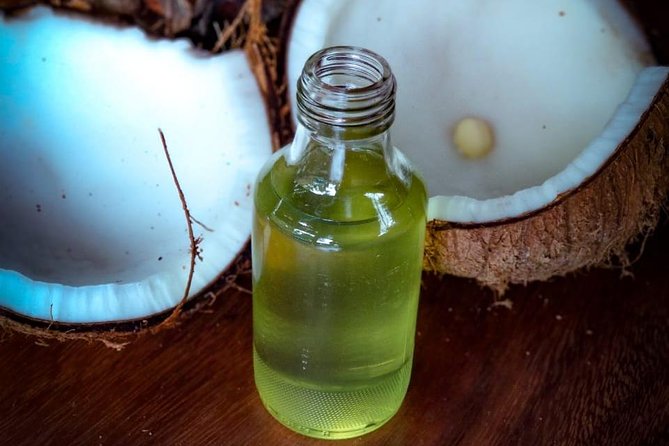
Reviewed · UBUD
Make Traditional Bali Coconut Oil with a Balinese Family
First, you do coconut work with your own hands. This private Ubud-area experience takes you to Delodsema village in Taro (north of Ubud), where you learn the traditional Balinese way to turn coconuts into oil. You’ll also get a coconut scrub massage, plus time to see how a small rural community lives day to day.
What I like most is the hands-on pace. You’re not watching from a chair; you’re doing the steps and learning why each one matters. A second big win is the warmth: you’re welcomed into a real family setting, with tea or coffee and Balinese cookies before you get started.
One thing to consider is logistics. The class is outside central Ubud, and transportation isn’t included unless you upgrade to transfers, so you’ll want to plan the ride time (and the extra cost).
In This Review
- Key things I’d plan for
- Delodsema village coconut oil class: the real reason it’s worth it
- From coconuts to oil: what happens during the class
- Coconut scrub massage: relaxation built into the process
- Village time in Taro: herbal tea, local homes, and small moments
- Price and logistics: what $27 actually buys you
- What you take home: coconut oil plus optional silversmithing
- Who this suits best (and who should think twice)
- Bottom line: should you book it?
- FAQ
- Where is the coconut oil class located?
- How long does the experience take?
- Is the experience private?
- What’s included in the price?
- Is round-trip transportation from central Ubud included?
- Do I need to bring anything?
- Can I add silversmithing to the experience?
- What happens during the waiting time while the oil is made?
- What is the cancellation policy?
Key things I’d plan for
- Delodsema village in Taro (north of Ubud): a quieter side of Bali, not the resort strip
- Hands-on coconut oil process: traditional steps take time (the oil itself runs 1 to 1.5 hours+)
- Coconut scrub massage while you wait: relaxation built into the schedule
- Tea/coffee + Balinese cookies first: you start with hospitality, not a rushed briefing
- Small, private group only: it’s just your party in the home setting
Not quite the one? These Ubud tours book out fastest.
- All-Inclusive Ubud Private Tour★ 5.0 · 14,344 reviews
- Best of Ubud Full-Day Tour with Jungle Swing★ 5.0 · 8,571 reviews
- Ubud: Monkey Forest, Jungle Swing, Rice Terrace, and Water Temple★ 5.0 · 7,160 reviews
- Ubud: Waterfalls, Water Temple & Rice Terraces Private Tour★ 5.0 · 5,484 reviews
Delodsema village coconut oil class: the real reason it’s worth it
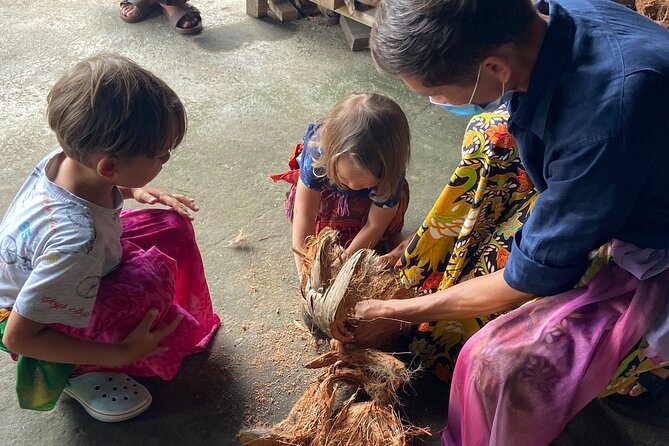
If you’ve had enough Bali that feels like a performance, this is a good reset. The setting is Delodsema Village in Taro, which sits north of Ubud in a more rural pocket of Bali. The experience is run as a private visit inside the family home environment, so it feels personal from the first minute.
I also like that the experience is built around actual process. Coconut oil making isn’t a quick demo; it’s a slow, step-by-step craft. The schedule reflects that, so you’re not stuck doing one quick step and leaving feeling like you only sampled the idea.
Finally, you’re given a few practical comforts that make it easy to enjoy: you’re provided a Balinese sarong, and you get free Wi‑Fi during the visit (useful if you want to share photos while the oil is working).
From coconuts to oil: what happens during the class
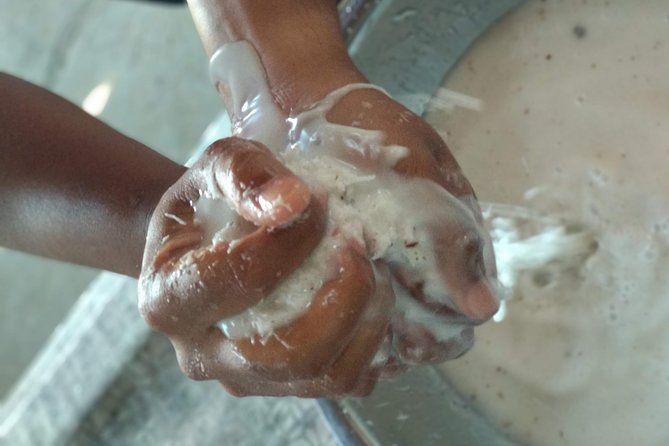
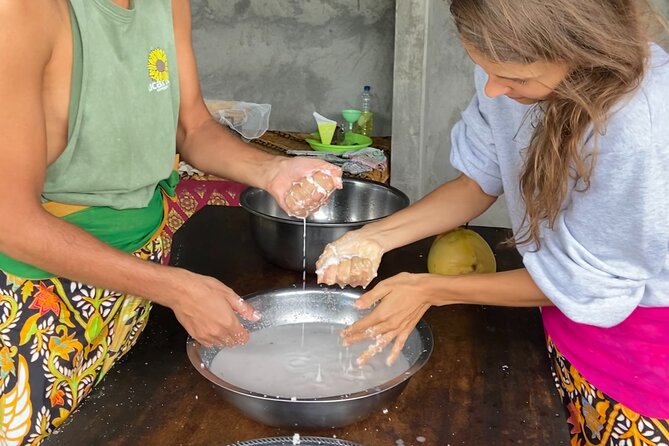
The core of the experience is making coconut oil the Balinese way, following the traditional process. The time estimate you’ll see is about 1 hour 30 minutes, but the oil itself takes longer—plan on more than 1 to 1.5 hours for the process part. That’s not a problem; it’s the point. Coconut oil doesn’t happen instantly, and that’s exactly why the class feels like learning something real.
Here’s how it tends to go:
1) Welcome and refreshments
You arrive in the family setting and start with fresh herbal tea or coffee. You’ll also have Balinese cookies as a snack. It’s a nice opener because it keeps you grounded in the moment before you start handling coconuts.
2) Getting to work with the tools
You’re given the tools and equipment needed for the class, plus you’ll be wearing a sarong. Then the instructor walks you through the coconut oil steps in a way that feels doable—even if you’re not a kitchen person.
3) The practical part: coconut prep
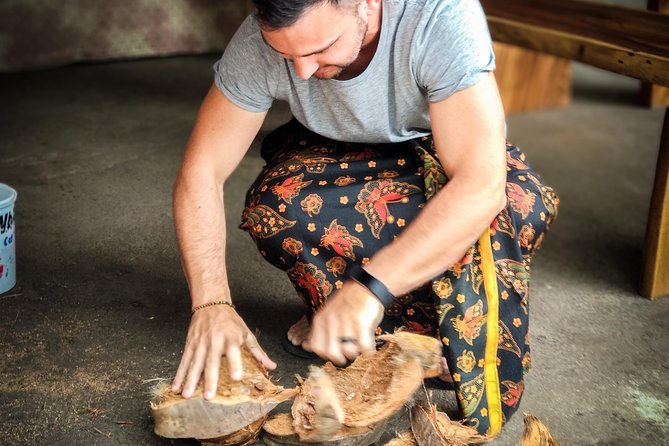
You’ll likely handle real coconut prep. One solo traveler mentioned trying to peel a coconut and laughing at their own attempt, which is a good sign: you’re expected to participate, not just observe. If you want something hands-on, this is your kind of activity.
4) Waiting while the oil is made
This is where the schedule becomes smart. While the oil is being processed, you’re not left idle. Instead, you shift to relaxation and village life (more on that next).
The big value here is learning the logic of each step. Even when you’re using muscle and making a bit of a mess, the explanations are meant to connect the process to the final result—so you don’t just walk away with a souvenir; you walk away with a story you can repeat.
Coconut scrub massage: relaxation built into the process
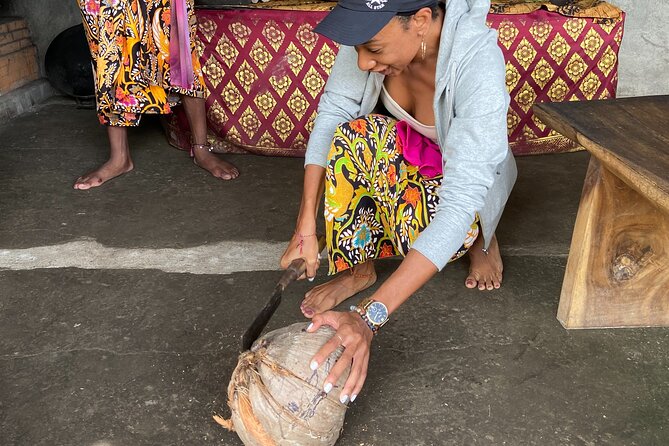
The class includes a coconut scrub massage, which is a clever use of the waiting time. Coconut scrubs are a traditional Bali-style self-care ritual, and having it during the oil-making break means you get a full-body reset while your hands are done for the moment.
The vibe is calm and rural. You’re still in the same family setting, but the energy shifts from work mode to relaxation mode. It’s also a nice way to connect the oil to how it’s used. You make the product, then you get a related sensory experience that helps the whole thing feel coherent.
If you’re traveling with kids or you want something that breaks up the manual work, the massage is a good pacing tool.





Village time in Taro: herbal tea, local homes, and small moments
One of the underrated parts of this experience is the time for village life. While the oil is finishing up, you explore the local community and see traditional Balinese houses. It’s not a checklist tour; it’s time to watch daily rhythms in a small settlement.
A couple of details I’d highlight because they make the experience feel less scripted:
- You’re invited to enjoy fresh fruit from trees during the visit.
- You may be able to feed chickens, which sounds simple but turns the whole experience into something memorable for families.
And you’re not just touring a neighborhood—you’re spending time in a home environment. That’s where the intimacy comes from.
You might also notice how personal the welcome can feel. One past participant described being greeted by Puta, the wife of Kadek, who was driving the tour pickup. That kind of personal touch is the difference between a generic cultural activity and a real home visit.
Price and logistics: what $27 actually buys you
The class costs $27 per person, and it’s typically booked around 18 days in advance on average. That tells me it’s popular enough to plan ahead without feeling booked solid months out.
Now the honest part: what you’re paying for isn’t just the coconut oil. It’s the private access to a family home setting, the hands-on instruction, the tools, the refreshments, the sarong, the coconut scrub massage, and the time spent in the village. Many paid activities in Ubud focus on a viewing experience. Here, you’re doing real work and bringing home something you made.
Transportation can change the value a bit:
- Transportation from central Ubud is listed as IDR 350k round trip if you need to handle it separately.
- There’s also an option to upgrade to include round-trip transfers from central Ubud.
If you’re staying in central Ubud and you don’t want to manage timing or rides, the upgrade is often worth it. If you’re comfortable with local transport planning, you may prefer to keep costs down and arrange the ride based on your schedule.
What you take home: coconut oil plus optional silversmithing
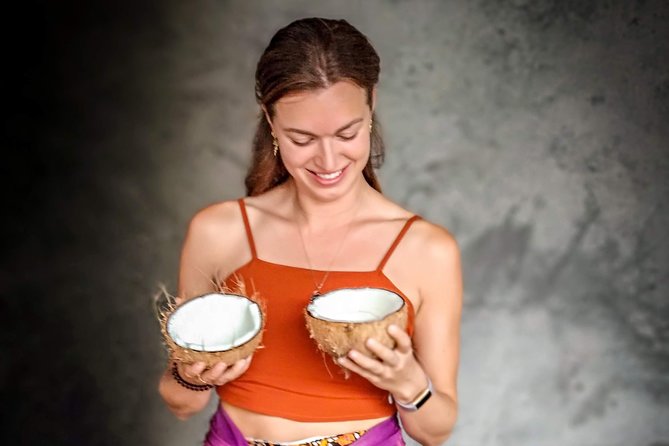
Your main take-home item is your own handmade coconut oil. That matters because it turns the class into a souvenir with real use. Coconut oil has a lot of practical appeal for everyday routines, and having a jar that you made yourself is a better souvenir than a trinket you can’t explain.
There’s also an optional add-on: you can include a silversmithing class too, with the chance to create a unique souvenir. The details of what you make aren’t spelled out here, but the intent is clear: you get an extra craft experience beyond coconut oil.
If you’re the kind of traveler who likes to leave Bali with a skill-based memory, that add-on can be a smart use of your time.
Who this suits best (and who should think twice)
This experience fits best if you want one of these things:
- a hands-on Balinese craft you can feel in your hands
- a private family setting in rural north Ubud (Taro/Delodsema)
- a combo of practical learning and relaxation (oil-making plus coconut scrub massage)
- a culture activity that works for families and kids, not just adults who want photos
It’s also a good choice for couples and solo travelers because it’s private, so you’re not sharing the home experience with strangers.
Who might want to think twice? If you’re looking for a short, purely air-conditioned, low-effort activity, this isn’t that. You’ll be participating in the process, and coconut work is tactile. Also, if you hate travel out of central Ubud, you’ll feel that distance unless you upgrade to transfers.
Bottom line: should you book it?
Yes, if you want a real home-based Balinese experience instead of a fast tourist workshop. The biggest strengths are the intimate family setting, the thorough step-by-step instruction during the coconut oil making, and the fact that the activity doesn’t end at a product—it includes relaxation and village life while the oil is working.
Before you book, do two quick checks:
- Can you handle rural transport timing outside central Ubud, especially if you don’t upgrade to transfers?
- Are you okay with a hands-on craft where you might peel coconuts and get a little messy?
If both are a yes, you’ll likely leave with both a jar of coconut oil and a story that feels genuinely Balinese.
FAQ
Where is the coconut oil class located?
It takes place in Delodsema Village, Taro (north of Ubud), at Jl. Taman Gajah, Taro, Kec. Tegallalang, Kabupaten Gianyar, Bali 80561, Indonesia.
How long does the experience take?
The duration is about 1 hour 30 minutes. The coconut oil process itself takes more than 1 to 1.5 hours.
Is the experience private?
Yes. It’s a private tour or activity, and only your group participates.
What’s included in the price?
You get coffee and/or herbal tea, Balinese cookies, tools and equipment for making coconut oil, free Wi‑Fi, a Balinese sarong, coconut scrub massage, and you take your coconut oil home as a souvenir.
Is round-trip transportation from central Ubud included?
Transportation from Ubud central area is not included by default and is listed as IDR 350k round trip. There is an option to upgrade to include round-trip transfers from central Ubud.
Do I need to bring anything?
The experience provides the tools and equipment, and you’ll receive a sarong. The details on what you should bring beyond that aren’t listed here.
Can I add silversmithing to the experience?
Yes. There’s an option to include a silversmithing class so you can create a unique souvenir in addition to your coconut oil.
What happens during the waiting time while the oil is made?
While the oil is being made, you’ll have the coconut scrub massage and explore local village life, including traditional Balinese houses. You’ll also enjoy refreshments during the welcome.
What is the cancellation policy?
You can cancel for free up to 24 hours in advance for a full refund. If you cancel less than 24 hours before the start time, the amount paid isn’t refunded.
More Ubud Tours We Rate





Just added around Ubud
- Ubud: White Water Rafting with visit Ubud Monkey Forest
★ 5.0 · 3 reviews - Private Guided Bali Car Charter
★ 5.0 · 3 reviews - East Bali and Lempuyang Temple Tour
★ 5.0 · 3 reviews - Bali Downhill Cycling and White Water Rafting
★ 5.0 · 3 reviews - Cave Tubing Adventure in Ubud
★ 5.0 · 3 reviews