
Reviewed · TEGALLALANG RICE TERRACES
Jatiluwih E-bikes Tour Cycling Group
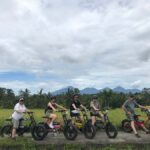
Rice paddies, minus the heavy climb. This Jatiluwih e-bike tour takes you through UNESCO-listed terraces and explains the irrigation system that keeps the fields alive, plus temple stories along the way. I love the easy electric assist for hills and the guide-led cultural stops, but a heads-up: you’re still cycling, so it’s not a sit-back-and-watch show.
You’ll join at Giri eBikes Rental and Tour (Jl. Batu Luwih Kawan Br. Gunungsari No.259, Jatiluwih, Kec. Penebel, Kabupaten Tabanan). I like that you get a mobile ticket, and one temple admission is included during the ride. The tour runs 3 to 4 hours, which is long enough to feel like an experience, but short enough that you won’t lose your whole day.
Guides can make or break a tour, and the names I’ve heard come up are Gideon and Gilan. After you cycle the rice areas and stop at the Iron Necklace Temple, you’ll ride to Gong Jatiluwih Restaurant and lounge for lunch with big views.
In This Review
- Key things to know before you go
- Why Jatiluwih Feels Different When You Roll on an e-Bike
- The Jatiluwih Green Land stop: irrigation you can actually understand
- Luhur Besikalung Temple and the story behind the gong necklace
- The ride through UNESCO terraces: what the timing feels like
- Your e-bike reality check: comfortable, not robotic
- Lunch at Gong Jatiluwih: a planned break with a view
- Timing and weather: when you’ll get the best experience
- Price and value: $49.95 for what you’re actually doing
- Practicalities you’ll care about (without the fuss)
- Should you book Giri eBikes for Jatiluwih?
- FAQ
- How long is the Jatiluwih e-bike tour?
- What does the $49.95 price cover?
- Where is the meeting point?
- What time does the tour operate?
- Do I get a ticket on my phone?
- What happens if the weather is bad?
Key things to know before you go
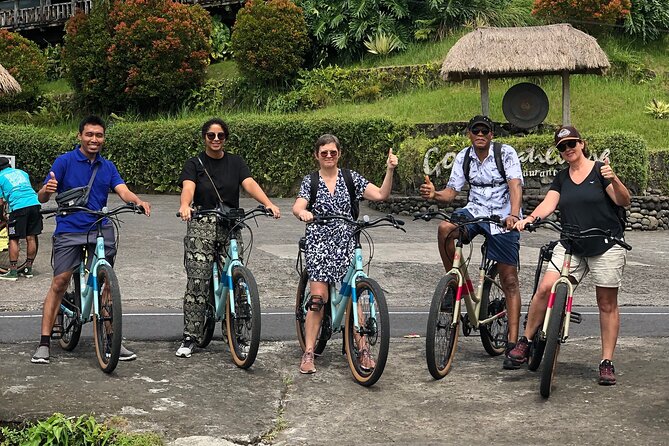
- Electric help for the rice-field hills: You’ll handle changes in elevation without turning it into a sweat-fest.
- Irrigation explanations you can picture: The guide talks about how the water system distributes water across the fields.
- Temple stop with admission included: Luhur Besikalung’s entrance is included on the way through.
- A small-group feel: Up to 30 travelers, so it’s not a cattle-car situation.
- Lunch with the scenery: After the temple portion, you’ll go to Gong Jatiluwih for lunch and relax in the views.
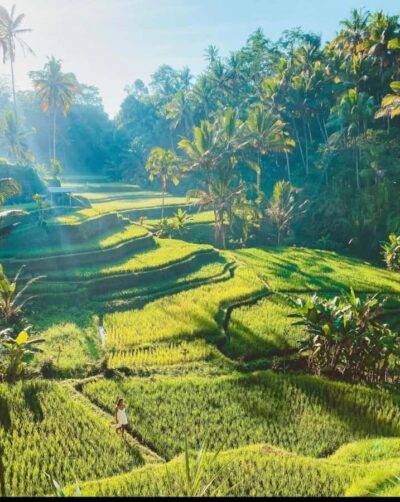
Tiered green as far as the eye runs. More Ubud rice-terrace walks.
- Ubud: Monkey Forest, Jungle Swing, Rice Terrace, and Water Temple★ 5.0 · 7,160 reviews
- Ubud: Waterfalls, Water Temple & Rice Terraces Private Tour★ 5.0 · 5,484 reviews
- Ubud: Full-Day Rice Terrace, Monkey Forest & Waterfall★ 5.0 · 2,634 reviews
- Full-Day Tour to Water Temples and UNESCO Rice Terraces in Bali★ 5.0 · 2,539 reviews
Why Jatiluwih Feels Different When You Roll on an e-Bike
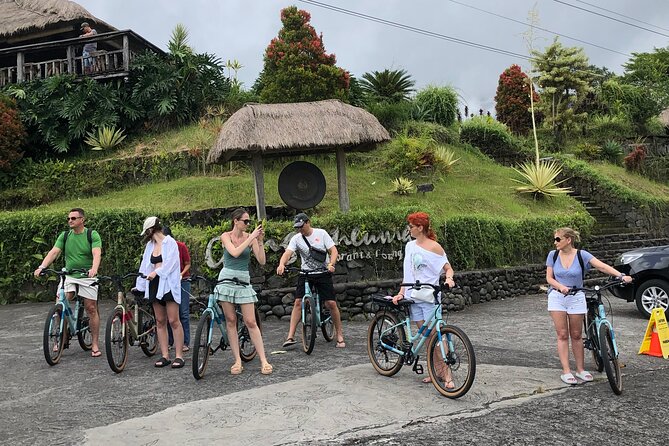
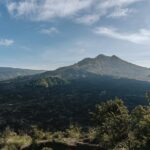
Jatiluwih is a big name in Bali, and the rice terraces are protected under UNESCO. The smart twist here is that you don’t just drive past viewpoints. You cycle through the rice-growing areas in a way that lets you slow down, look around, and still cover distance.
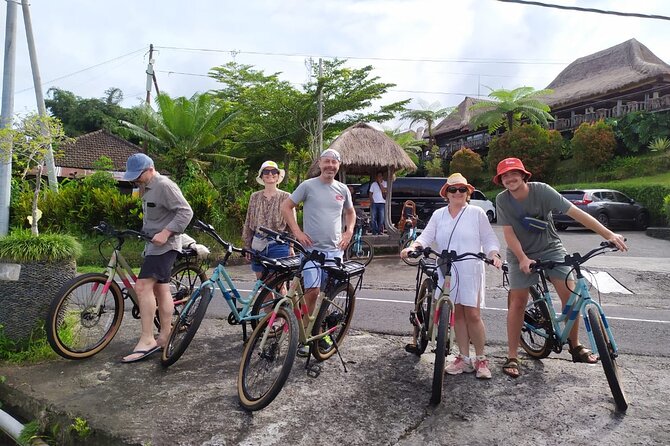
The electric bikes matter. Even if the ride isn’t technical, Jatiluwih has hills and uneven elevation, and that’s where e-bikes turn the trip from work into play. In real-world terms, it lets you explore more of the area without arriving exhausted. One great detail: people have mentioned gear shifting plus electric support, so you’re not just relying on a motor—you’re in control, and the bike helps when the terrain asks for it.
This tour is also built around learning. You’re not only getting photos. You’re getting explanations about irrigation and daily farming life, which changes how you see the terraces once you know what you’re looking at.
The Jatiluwih Green Land stop: irrigation you can actually understand
The first main part of the experience focuses on Jatiluwih Green Land and its long-running agricultural irrigation system. The key idea is simple: the irrigation is designed to distribute water well over a wide rice-field area. That’s the kind of explanation that turns the terraces from pretty pictures into a functioning system.
Here’s why that’s valuable for you: when you understand how water moves and why certain areas look the way they do, the whole site makes more sense. You also start noticing practical details—where water channels might sit, how the fields are patterned, and why the terraces hold up over time.
One practical note: admission for this first stop isn’t included. That doesn’t ruin the value, but it does mean you should budget for at least that portion. If you like tours that include every last ticket fee, this may feel slightly less all-in than you expected.
Time-wise, this is the heavy section—about 2 hours—so wear comfortable clothes and be ready to actually spend some time on the bike and in the rice-field area.
Luhur Besikalung Temple and the story behind the gong necklace
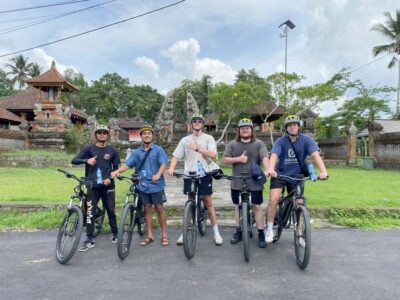
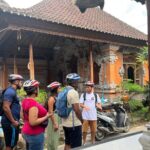
Next comes Luhur Besikalung Temple (Pura Luhur Besi Kalung), located in Utu Traditional Village, Penebel Tabanan. This stop is shorter—about 30 minutes—but it’s specific and memorable, not just a quick photo stop.
The temple’s standout detail is the hundred-year-old Linga Yoni and the chain necklace legend. The description connects the necklace to a sound like a gong, which gives you something concrete to listen for in your imagination as you look at the altar features and surroundings. You’re also in a traditional village setting, which helps shift the day from scenery into lived culture.
Good to know: temple admission is included for this stop. If you’re trying to avoid surprise entry fees, this is one of the times the tour plan is doing you a favor.
Also, since temples are sacred spaces, keep your behavior calm and respectful. If you’ve been in Bali temples before, you already know the drill. If you haven’t, treat this as a place to slow your voice down and dress in a way that fits a religious site.
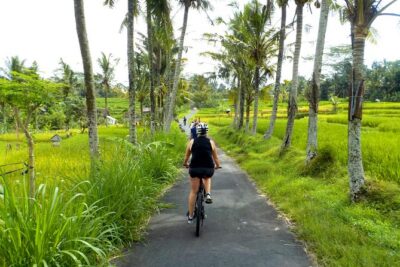
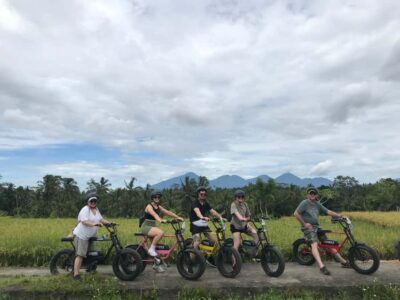
Freewheel down through the paddies on two wheels.
The ride through UNESCO terraces: what the timing feels like
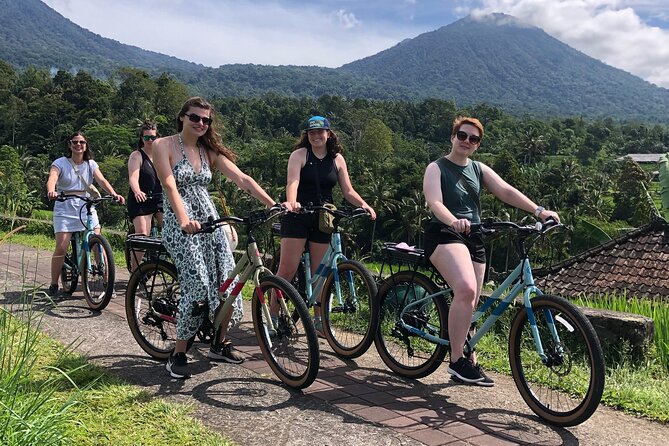
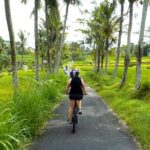
Between the temple stops, you’ll spend most of your time cycling the rice terraces area designated as a UNESCO World Heritage site. The plan is designed so you can explore without turning the trip into a long trek. That’s a meaningful difference if you want views but don’t want to grind your knees for hours.
The overall tour runs about 3 to 4 hours, and you’ll feel that structure: a longer first stretch (roughly two hours), a shorter temple stop (about 30 minutes), then the rest of the experience continues through the rice-field portion and ends after the Iron Necklace Temple.
One part to pay attention to: after you reach the Iron Necklace Temple, you’ll take a ride from the temple to Gong Jatiluwih Restaurant and lounge for lunch. This is smart pacing. It prevents the day from feeling like you’re cycling nonstop until you’re starving.
Also, the max group size of 30 travelers keeps things from feeling rushed. You’ll likely have a moment to ask questions and listen to the guide’s explanations instead of shouting over a huge crowd.
Your e-bike reality check: comfortable, not robotic
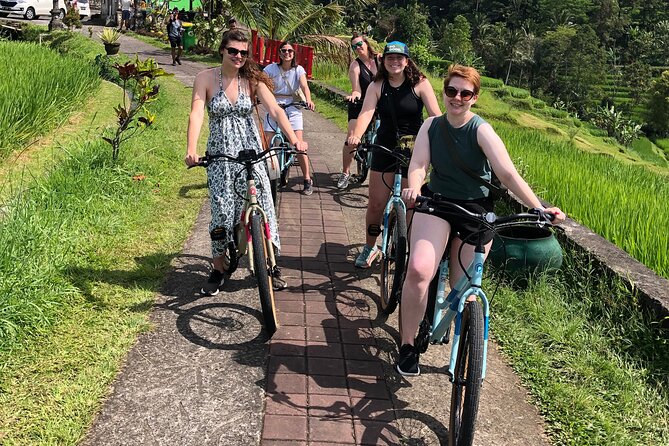
I love when an e-bike tour doesn’t oversell the effort level. Based on what people report, the bikes are comfortable and simple to ride. For many riders, the electric support makes hills feel manageable rather than intimidating.
A few practical takeaways from real comments:
- If you’re in your 60s or coming back to biking, this kind of ride can still work, especially with electric assist.
- If you’ve never ridden an e-bike, don’t panic—the support helps you get moving without the fear of getting stuck halfway up a slope.
- People have mentioned shifting gears plus electric support, which suggests you’ll be learning a basic rhythm rather than pushing a button and letting the bike do everything.
What you should consider: if you strongly dislike cycling—even easy cycling—then this isn’t the best match. You’re on a bike for a good chunk of the day. But if you’re open to a moderate, scenic ride, the e-bike helps you keep your energy for the views and the explanations.
Lunch at Gong Jatiluwih: a planned break with a view
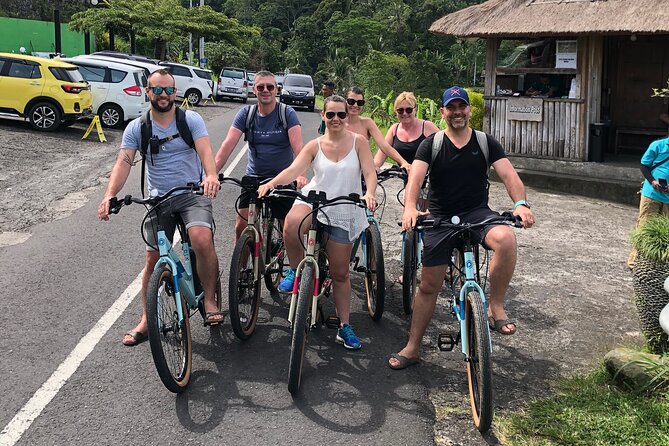
After the temple visit sequence, lunch lands at Gong Jatiluwih Restaurant and lounge. This part matters more than you might think, because it turns the tour into an actual outing rather than “ride, stop, ride, done.”
The plan also builds in downtime. Instead of having you pedal to the finish, you get transported from the Iron Necklace Temple to the restaurant area and can sit down. If you’re sensitive to heat or just want your legs to cool off, that pause is a big win.
Keep in mind: the information provided says you’ll be invited to lunch, but it doesn’t spell out whether drinks or specific menu items are included in the $49.95. I’d treat lunch as part of the experience plan, but if food is a deal-breaker for your budget, it’s smart to confirm what’s covered at checkout.
Timing and weather: when you’ll get the best experience
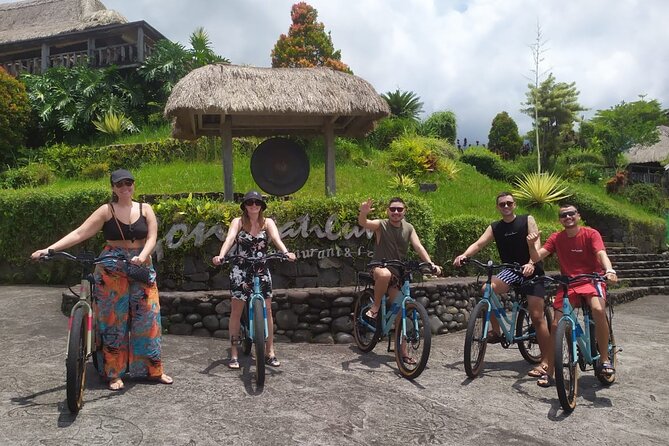
The tour runs daily from 6:00 AM to 3:00 PM. If you can, I’d choose earlier. People have suggested booking sunrise, and in practical terms that usually gives you cooler temperatures and better light for photos. One comment also mentions a visit in mid-August where the electric bikes helped people access trails without fatigue and without suffering from the heat—so the morning matters even more in warmer months.
Weather is also part of the deal. This experience requires good weather. If conditions aren’t right, you’ll be offered a different date or a full refund. That’s a solid safety net, since rice terrace cycling can be unpleasant in rain and slippery roads.
Price and value: $49.95 for what you’re actually doing
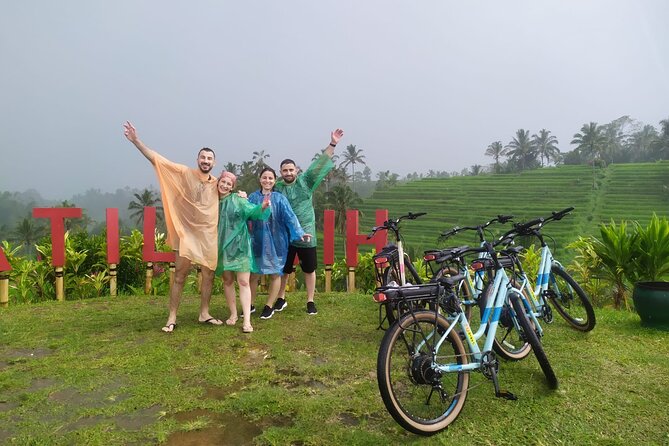
At $49.95 per person, this e-bike tour sits in the “worth it if you want the combination” category. You’re paying for:
- A guided e-bike experience through Jatiluwih’s rice areas
- Explanations of the irrigation system and the place’s cultural context
- Temple time—including admission at Luhur Besikalung
- A finish that includes lunch at Gong Jatiluwih
The one place you should factor in extra cost is that admission for the Jatiluwih Green Land stop isn’t included. That means the final spend could creep up a bit depending on what ticket you need there.
Also, consider the time value. Three to four hours is enough to feel you explored beyond the usual drive-by photos, especially since cycling gives you more access than a bus ride. For many people, that’s exactly what makes this price feel fair.
Practicalities you’ll care about (without the fuss)
- Meeting point: Giri eBikes Rental and Tour, Jatiluwih area (Jl. Batu Luwih Kawan Br. Gunungsari No.259).
- Group size: Up to 30 travelers.
- Tickets: A mobile ticket is used.
- Confirmation: You receive confirmation at booking time.
- Service animals: Allowed.
- Fitness: Most travelers can participate, and the e-bike design is meant to make exploring easier.
One more thing: bring a “tour cyclist” mindset. You’ll be cycling, even with electric help, so closed-toe shoes and comfortable clothes will make the day smoother. And because this is outdoors in a rice-field setting, pack whatever you normally bring for sun and water on Bali days—just in case.
Should you book Giri eBikes for Jatiluwih?
I’d book this if you want UNESCO-level scenery plus real context. The irrigation explanations and the temple stops give the day more meaning than a simple photo loop. You also get a strong value mix: electric biking for access, a manageable time commitment, and lunch as part of the finish.
I wouldn’t prioritize it if you’re expecting a fully low-effort experience. Even with e-bikes, this is still a ride. And if you hate any cycling, you may spend the day counting down minutes rather than enjoying it.
FAQ
How long is the Jatiluwih e-bike tour?
It runs about 3 to 4 hours in total.
What does the $49.95 price cover?
You’re buying the guided e-bike tour experience. Temple admission at Luhur Besikalung is included, while admission for Jatiluwih Green Land is not included.
Where is the meeting point?
The tour meets at Giri eBikes Rental and Tour, Jl. Batu Luwih Kawan Br. Gunungsari No.259, Jatiluwih, Kec. Penebel, Kabupaten Tabanan, Bali 82152, Indonesia.
What time does the tour operate?
Daily hours are 6:00 AM to 3:00 PM.
Do I get a ticket on my phone?
Yes. The tour uses a mobile ticket.
What happens if the weather is bad?
This experience requires good weather. If it’s canceled due to poor weather, you’ll be offered a different date or a full refund.
More Ubud Tours We Rate





Downhill & E-Bike Rides
Rice Terraces Worth the Walk
Just added around Ubud
- Ubud: White Water Rafting with visit Ubud Monkey Forest
★ 5.0 · 3 reviews - Private Guided Bali Car Charter
★ 5.0 · 3 reviews - East Bali and Lempuyang Temple Tour
★ 5.0 · 3 reviews - Bali Downhill Cycling and White Water Rafting
★ 5.0 · 3 reviews - Cave Tubing Adventure in Ubud
★ 5.0 · 3 reviews
Tegallalang Rice Terraces, compared.
 ★ 5.0Monkey Forest, Jungle Swing, Rice Terrace, and Water TempleFrom $317,160 reviews
 ★ 5.0Waterfalls, Water Temple & Rice Terraces Private TourFrom $295,484 reviews
 ★ 5.0Full-Day Rice Terrace, Monkey Forest & WaterfallFrom $232,634 reviews
 ★ 5.0Full-Day Tour to Water Temples and UNESCO Rice Terraces in BaliFrom $392,539 reviews
 ★ 4.7Monkey Forest, Ceking Rice Terraces and More– Full DayFrom $37917 reviews
 ★ 4.9Rice Terraces & Villages Half-Day Fat Tire E-Bike TourFrom $33602 reviews
 ★ 5.0Downhill Cycling with Volcano, Rice Terraces and MealFrom $36536 reviews
 ★ 5.0Ubud eBikes Tour to Tegallalang Rice TerraceFrom $30507 reviews
Browse the lists this tour appears in