
Reviewed · TEGALLALANG RICE TERRACES
Jatiluwih Batukaru Mountain Nature’s Best Tour
Bali’s interior beats the beach circuit. This 8-hour Jatiluwih Batukaru Mountain Nature’s Best Tour is interesting because it gets you out of the surf crowd and into working rice terraces and a remote temple setting with a real feel for island life. I love the small-group format, because you can actually ask questions and take breaks without feeling herded.
I also like how the day centers on two places that feel spiritually and practically important: Jatiluwih’s rice farming and Pura Luhur Batukaru Temple in the foothills. Guides I’ve seen named in feedback, like Darta, Arya, and Mandara, are often praised for bringing the temple story to life. The one drawback to plan for: the schedule can include extra cultural stops that tilt toward shopping, so don’t expect every hour to feel like pure sightseeing.
In This Review
- Quick Take: What You’ll Care About on This Tour
- Why Jatiluwih and Batukaru Feel Like Real Bali
- Price and What You Actually Get for $61.54
- Getting There: Pickup Windows and Road Reality from Ubud Area
- Stop 1: Mount Batukaru Foothills and the Farming Way of Life
- Stop 2: Jatiluwih Rice Terraces Walk and How Water Becomes Art
- Stop 3: Pura Luhur Batukaru Temple in the Jungle Quiet
- The Stops That Can Feel Like Side Quests (Crafts, Coffee, and Sales Pacing)
- Food, Timing, and How to Keep Your Energy Up
- Who This Tour Suits Best (and Who Might Feel Frustrated)
- Should You Book This Jatiluwih Batukaru Day Trip?
- FAQ
- What is the duration of the Jatiluwih Batukaru Mountain Nature’s Best Tour?
- What time does the tour start?
- Is hotel pickup and drop-off included?
- How big is the group?
- What are the main stops during the tour?
- Are entrance fees included?
- What isn’t included in the price?
- How much does it cost per person?
- What is the cancellation policy?
Quick Take: What You’ll Care About on This Tour
- Small-group day trip: capped at 15 people, with a more personal pace than big buses.
- Hotel pickup and drop-off: included from major beach areas, so you can skip the hassle of getting around on your own.
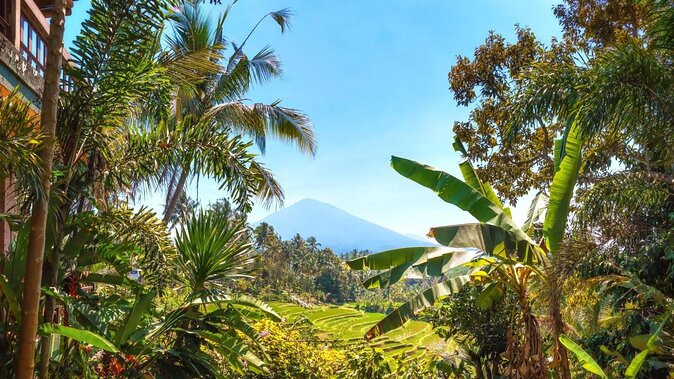
- Jatiluwih rice terraces time: you get dedicated time in a farming community famous for intricate terracing.
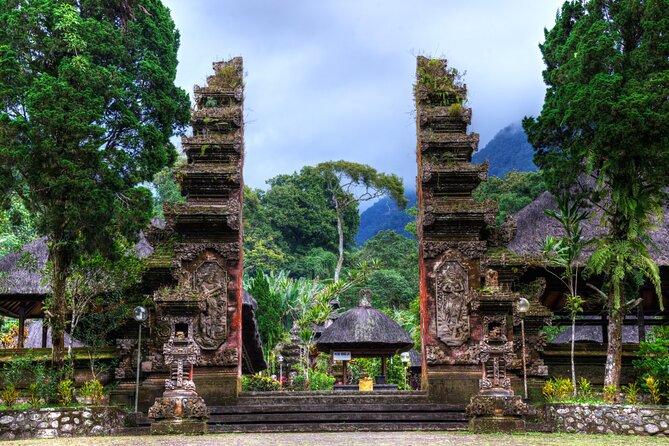
- Pura Luhur Batukaru Temple: a quieter, forest-situated Hindu temple complex with major significance on Bali.
- A long day with driving: expect real road time and winding routes, especially if you’re picked up from multiple hotels.
- Potential shopping stops: some stops may feel more sales-forward than hands-on, depending on the guide’s choices.
Tiered green as far as the eye runs. More Ubud rice-terrace walks.
- Ubud: Monkey Forest, Jungle Swing, Rice Terrace, and Water Temple★ 5.0 · 7,160 reviews
- Ubud: Waterfalls, Water Temple & Rice Terraces Private Tour★ 5.0 · 5,484 reviews
- Ubud: Full-Day Rice Terrace, Monkey Forest & Waterfall★ 5.0 · 2,634 reviews
- Full-Day Tour to Water Temples and UNESCO Rice Terraces in Bali★ 5.0 · 2,539 reviews
Why Jatiluwih and Batukaru Feel Like Real Bali
If you only see Bali from the roadside of a scooter or from a resort pool, you miss the engine of the island. This tour aims right at that engine: how people farm the land, how they worship, and how those two things shape the daily rhythm of Bali.
The best part for me is the contrast. You start in more built-up areas, then the drive turns greener and slower, with mountains looming and fields taking over the view. Once you arrive around Batukaru’s foothills, the day feels less like a checklist and more like a guided walk through how locals live and believe.
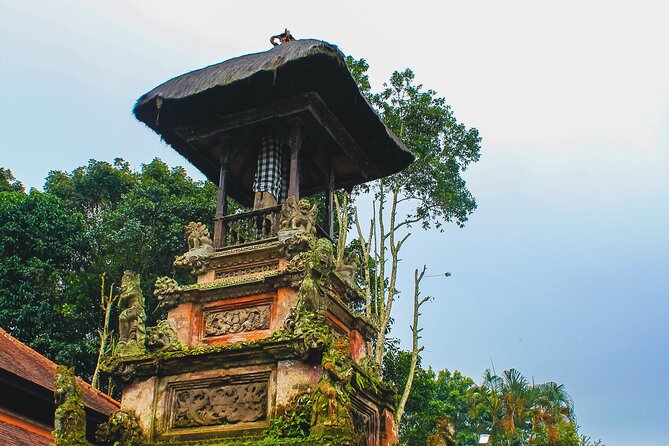
This tour also does something simple but rare: it puts real time into two key stops. Jatiluwih isn’t just a photo stop from a viewpoint, and Pura Luhur Batukaru Temple isn’t a rushed “see-it-quick” moment. You’ll be in place long enough to notice details: how water and work shape the rice terraces, and how temple design fits the landscape around Mount Batukaru.
Price and What You Actually Get for $61.54
At $61.54 per person, the value is in what’s included. You’re paying for a full day with an air-conditioned vehicle, hotel pickup and drop-off, an English-speaking licensed guide, and entrance fees for the core stops. For a route this far into Bali’s interior, that bundle usually beats cobbling together taxis and separate tickets.
The “not included” part is straightforward: food and drinks (and any spa-related entrance, if you choose that kind of add-on). That means you’ll want to budget for at least one meal or snack stop during the day, especially since you’re out for most of the day.
Where you can make or break value is your attitude toward the extra stops. Some days include more craft and plantation-style stops than you might expect from a pure temples-and-rice itinerary. If you enjoy that kind of cultural shopping and sampling, you’ll feel like you got a lot out of the day. If you don’t, the ticket still covers the main pillars, but you may feel like portions of the schedule could have been more efficient.
Getting There: Pickup Windows and Road Reality from Ubud Area
The tour starts around 8:30am, and pickup is typically 30 to 60 minutes before that, depending on where your hotel is. You’re usually picked up from major beach-zone hotels (Kuta, Seminyak, Sanur, Jimbaran, and Nusa Dua areas), and that can mean a bit of waiting while the group is collected.
Then comes the part that catches some people off guard: this is a full-day outing, and Bali roads can be winding. A few comments I’ve seen emphasize how much time can go into driving, and how road motion can be strong on bumpy routes. If you’re prone to motion sickness, I’d take it seriously. Bring your usual prevention plan and keep water handy.
The upside of that drive time is scenery. As you head away from the busier Denpasar area, city life shrinks behind you and green farming fills the windshield. If you can settle into the ride, the long transit stops feeling like wasted time and starts feeling like the lead-in to the countryside day you booked.


Stop 1: Mount Batukaru Foothills and the Farming Way of Life
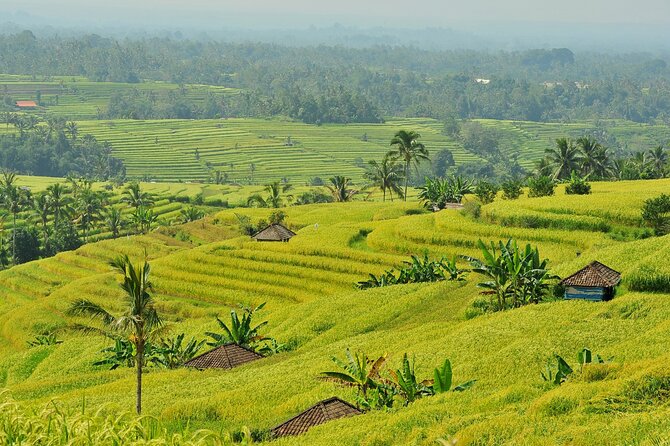
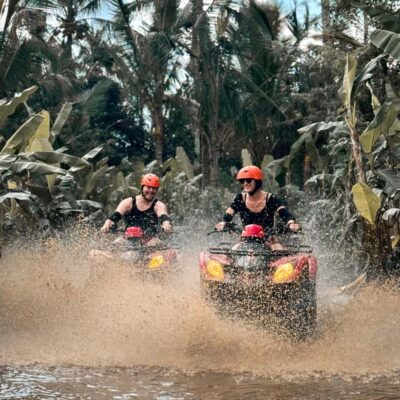
Your first major stop is in the fertile volcanic foothills near Mount Batukaru. This is where the tour begins teaching the island’s practical story: volcanic soil supports crops, and local farming knowledge is a whole community project.
Expect to see the variety that Bali farmers produce—tropical fruits, spices, vegetables, and flowers. The idea here isn’t just to admire plants. It’s to connect the dots between soil, water, and the choices people make to earn a living.
This stop lasts around 2 hours, and entrance is listed as free. In practice, you’ll likely get guided explanation plus time on-site for photos and a slow look around. Since the tour day can also include optional tastings and sales-oriented stops later, treat this first segment like the educational warm-up. Ask questions. Get your bearings on what farming looks like in this region, before you move into the famous rice terraces.
Stop 2: Jatiluwih Rice Terraces Walk and How Water Becomes Art
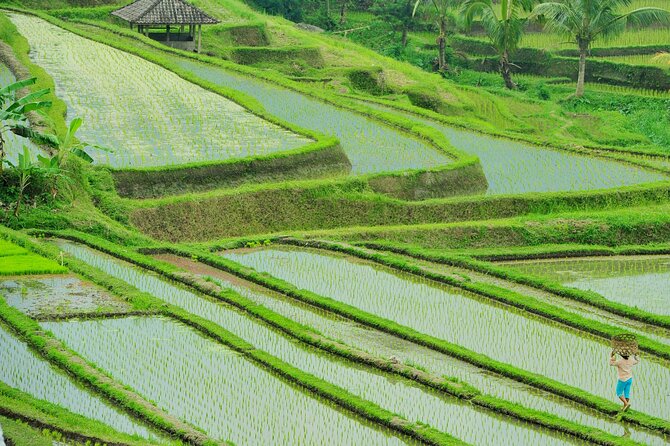
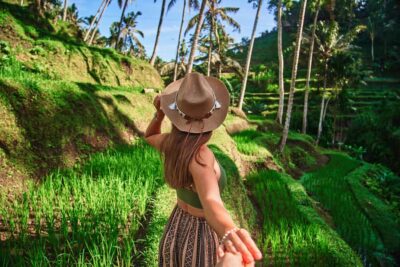
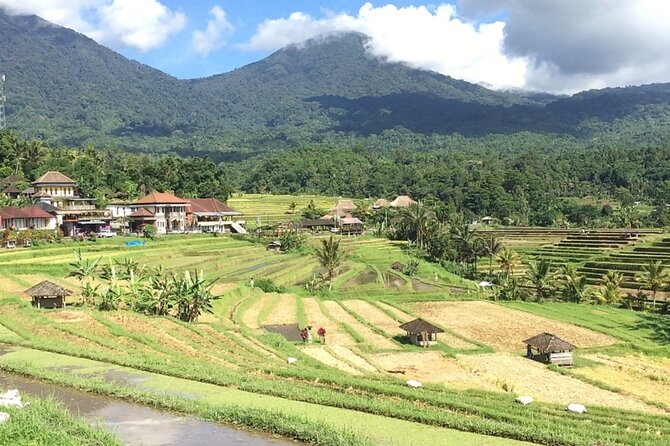
Jatiluwih Rice Terraces are the heart of the day for a reason. For Balinese farmers, cultivation isn’t only labor—it’s creative work done by a community. That communal effort shows up in the terraces themselves: intricate, carefully shaped steps that use hillside gravity and irrigation systems to keep rice growing.
You get about 2 hours here, and entrance is also listed as free. What I like about this timing is that it’s long enough to walk beyond the first view and notice how terraces stack and curve across the hills. If you enjoy photography, you’ll keep returning to the same angles because each turn shows a new pattern of green.
Keep expectations grounded. Some days, you may spend additional moments looking from the car or moving between viewpoints, because the area is large. But the goal is still the same: to experience the terracing as more than a single postcard.
One practical tip: wear shoes you’re comfortable with on damp paths. Even if it’s not raining hard, Bali’s greenery can make surfaces slick. The rice terraces are beautiful, but they’re also working areas, and you’ll move around on uneven ground.
Stop 3: Pura Luhur Batukaru Temple in the Jungle Quiet
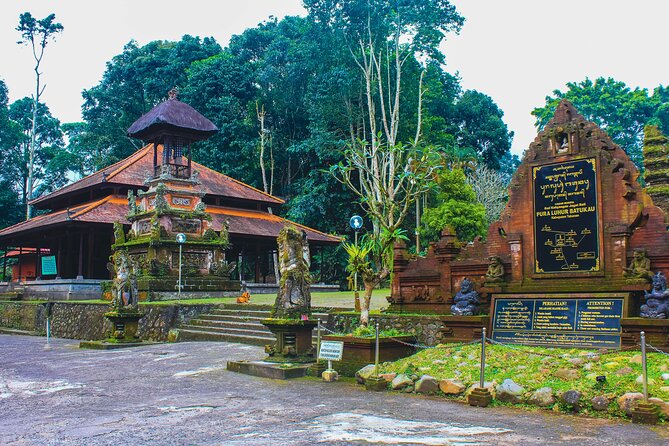
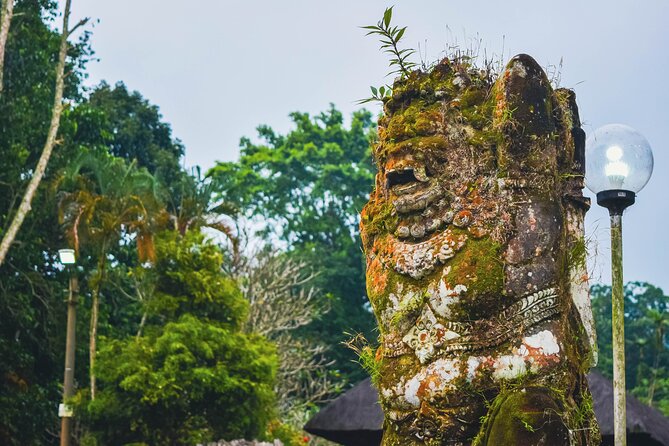
Then you head into the forest toward Pura Luhur Batukaru Temple, a remote temple complex that’s considered one of Bali’s holiest for Hindu worshippers, with only Besakih listed as more sacred in this tour’s framing. You’ll get a guided walk through the temple setting, including time to notice architecture and absorb the quieter mood that comes from being away from crowds.
This segment is about 2 hours, with no entrance fee listed for the experience. What matters most is the atmosphere. You’re in a temple that sits beneath Mount Batukaru, and it feels set back from everyday traffic. More than once, you’ll have a moment where the sound drops—birds, leaves, and the steady presence of worship at a living site.
One thing to take seriously: temple paths can be slippery. Feedback in the info you provided specifically calls out slick, mossy steps and walkways due to moisture. So bring footwear with grip and take your time on stairs. It’s not the dramatic kind of slippery, but it’s enough that a cautious step is the smart step.
Some guides are also known for letting you pause for still time—one account mentions time to meditate during the visit. Even if meditation isn’t your thing, that kind of permission to slow down is exactly what makes temple visits worth it.
The Stops That Can Feel Like Side Quests (Crafts, Coffee, and Sales Pacing)
Here’s the honest part: the tour can include extra cultural and production stops beyond the three headline items. Examples in the provided details include craft-focused places and plantation-style experiences (like spice gardens and coffee/tea stops). These stops can be educational, but they can also feel shopping-heavy depending on how long the group stays and how much time is spent inside sales displays.
Some feedback highlights that the day can spend noticeable time at places like batik or silver-selling workshops, and that this portion doesn’t always match what people expected from the name and description. Another note mentions being steered toward buying at arts and craft stops, with limited hands-on demonstration.
So how do you handle this without ruining your day? Decide your shopping energy before you arrive:
- If you love browsing, treat these stops like bonus culture and enjoy the process.
- If you don’t, set a simple rule: look quickly, ask questions politely, and keep your budget tight.
- If you feel pressure, it’s okay to say no and keep moving with the group.
On the plus side, these stops can sometimes add texture. You might get tastings and explanations about how certain crops become products. One mention includes sampling teas and coffees, including Luwak-style coffee. If you do try something, know you’re buying a souvenir experience as much as a drink.
Food, Timing, and How to Keep Your Energy Up
You’ll have a rest stop at a local restaurant where food and drinks are extra. The tour description frames it as a chance to purchase what you want, and the day’s structure suggests you should plan on eating here instead of carrying a full lunch from home.
Quality can vary. The info you provided includes comments about meals being cold or not looking clean at one restaurant, while other accounts describe the day’s food stop as fine. That tells me you should go in with flexibility.
Practical approach: treat the restaurant stop as fuel, not a culinary highlight. If you’re sensitive about temperature or food safety visuals, pick items that look freshly prepared and ask what’s served hot. Bring a small snack from your hotel too, so you’re not stuck feeling grumpy at noon if the meal timing runs late.
Who This Tour Suits Best (and Who Might Feel Frustrated)
This tour is a strong fit if you want a Bali day that’s mostly countryside, with rice terraces and a real temple visit that feels quiet and far from the beach strip.
It’s also a good choice if you like conversation. A smaller group (capped at 15, and sometimes running with only a few people on certain dates) makes it easier to ask about agriculture, Balinese Hindu practices, and how locals see the land and the temples.
Where you might struggle:
- If you hate long car rides and rough roads, a full-day drive can feel like too much.
- If you really want a strict “no shopping, all sights” itinerary, you may feel annoyed by craft/plantation stops.
- If you’re prone to motion sickness, take precautions before the winding roads start.
Should You Book This Jatiluwih Batukaru Day Trip?
I’d book this if your top priorities are Jatiluwih rice terraces, the Pura Luhur Batukaru Temple experience, and a guided day that gets you off the main coastal route.
Skip it (or at least consider alternatives) if you know you’ll resent extra production stops and want a tighter schedule that stays focused only on temples and hiking.
My final advice is simple: go with the right expectations. This isn’t only a photo safari. It’s a working-agriculture and worship day, with some business stops along the way. If that matches your travel style, you’ll leave with greener photos and better stories than you’d get from another beach loop.
FAQ
What is the duration of the Jatiluwih Batukaru Mountain Nature’s Best Tour?
The tour is listed as about 8 hours.
What time does the tour start?
The start time is 8:30am.
Is hotel pickup and drop-off included?
Yes. Pickup and drop-off are included from major hotels in the Kuta, Seminyak, Sanur, Jimbaran, and Nusa Dua areas.
How big is the group?
The experience is a small-group tour with a maximum of 15 travelers.
What are the main stops during the tour?
The tour includes stops at Mount Batukaru, Jatiluwih Rice Terraces, and Pura Luhur Batukaru Temple.
Are entrance fees included?
Yes. The tour includes entrance fees for the included sites.
What isn’t included in the price?
Food and drinks are not included, and spa entrance is also listed as not included.
How much does it cost per person?
The price is $61.54 per person.
What is the cancellation policy?
You can cancel for a full refund up to 24 hours before the experience starts.
More to See and Do in Ubud





More Ubud Tours We Rate
Rice Terraces Worth the Walk
Just added around Ubud
- Ubud: White Water Rafting with visit Ubud Monkey Forest
★ 5.0 · 3 reviews - Private Guided Bali Car Charter
★ 5.0 · 3 reviews - East Bali and Lempuyang Temple Tour
★ 5.0 · 3 reviews - Bali Downhill Cycling and White Water Rafting
★ 5.0 · 3 reviews - Cave Tubing Adventure in Ubud
★ 5.0 · 3 reviews
Tegallalang Rice Terraces, compared.
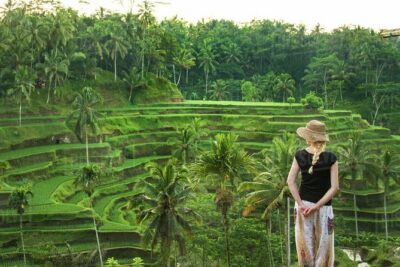 ★ 5.0Monkey Forest, Jungle Swing, Rice Terrace, and Water TempleFrom $317,160 reviews
 ★ 5.0Waterfalls, Water Temple & Rice Terraces Private TourFrom $295,484 reviews
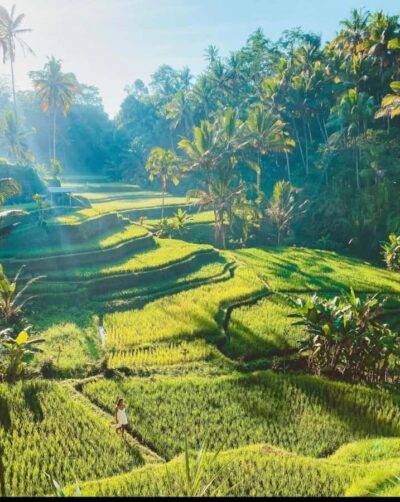 ★ 5.0Full-Day Rice Terrace, Monkey Forest & WaterfallFrom $232,634 reviews
 ★ 5.0Full-Day Tour to Water Temples and UNESCO Rice Terraces in BaliFrom $392,539 reviews
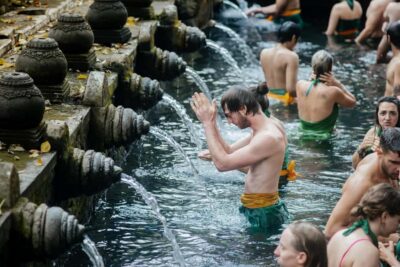 ★ 4.7Monkey Forest, Ceking Rice Terraces and More– Full DayFrom $37917 reviews
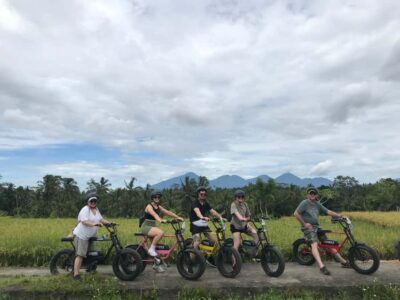 ★ 4.9Rice Terraces & Villages Half-Day Fat Tire E-Bike TourFrom $33602 reviews
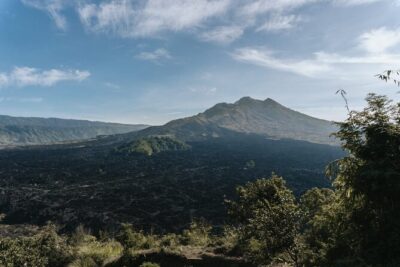 ★ 5.0Downhill Cycling with Volcano, Rice Terraces and MealFrom $36536 reviews
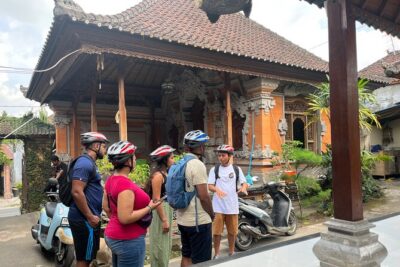 ★ 5.0Ubud eBikes Tour to Tegallalang Rice TerraceFrom $30507 reviews
Browse the lists this tour appears in