
Reviewed · BALI CANYONING ADVENTURES
Canyoning Bali, Blue Gorge Canyon (Adventure, discovery, nature)
Blue Gorge Canyon turns Bali rivers into a hands-on adventure. You’re guided into a hidden gorge with blue-green water and real variety: 5 rappels plus optional jumps that can reach up to 7m, all with natural waterfalls and jungle scenery. It’s the kind of trip where the scenery matters, but your body is also part of the story.
I especially like the ICOpro approach: you get initiation training before you’re anywhere near the rope, plus close supervision with instructor and assistants. One thing to consider: it starts at 6:00am and it depends on good weather, so you’ll want to be flexible if conditions aren’t right.
In This Review
- Key Things You’ll Remember About Blue Gorge Canyon
- Blue Gorge Canyon Near Ubud: Why This One Feels Different
- Hotel Pickup and the Basecamp Routine: Getting Ready the Right Way
- ICOpro Training and Equipment: Safety That Doesn’t Kill the Fun
- The 6:00am Start: Timing, Morning Vibes, and Why It Works
- From River Entry to First Moves: What the Descent Feels Like
- Rappels and Waterfalls: 5 Abseils Up to 12m High
- Optional Jumps Up to 7m: How to Decide Without Overthinking
- Trekking Sections in the Jungle: More Than Just Water Action
- After the Canyon: Shower, Lunch, and Free Photos/Video
- Price and Value: Is $100 a Fair Deal for This Much Included?
- Who This Canyoning Tour Suits Best
- What to Bring (So the Day Feels Easy)
- Should You Book Blue Gorge Canyon?
- FAQ
- What time does Blue Gorge Canyon start?
- How long is the canyoning experience?
- Is hotel pickup included?
- Are the jumps required?
- What’s included for safety and gear?
- What happens if weather is poor?
Key Things You’ll Remember About Blue Gorge Canyon
- ICOpro initiation training before the first rappel, so you’re not guessing with your feet dangling over water.
- 5 rappels and waterfalls up to 12m, giving you multiple vertical moments, not just a slide-and-splash day.
- Optional jumps up to 7m high, including natural deep pools when you’re ready.
- Jungle time plus a short hike, so you get the outdoors feel, not only the canyon action.
- Small group size (max 12), which usually means more hands-on guidance and smoother pacing.
- Included shower, lunch, and free photo/video, so you leave refreshed and with memories stored.
Ropes, gorges and cold clean water near Ubud.
- Exploring Beji Guwang hidden canyon★ 4.5 · 52 reviews
- Ubud: Gorilla Cave Tunnel ATV & Beji Guwang Hidden Canyon★ 4.7 · 41 reviews
- Beginner canyoning trip in Bali “Egar canyon “★ 5.0 · 36 reviews
- Intermediate canyoning tour in Bali ” Maboya Canyon “★ 5.0 · 31 reviews
Blue Gorge Canyon Near Ubud: Why This One Feels Different
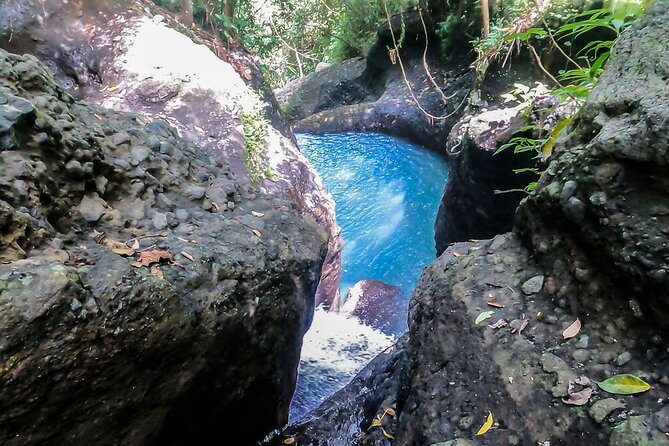
This canyoning trip is built around a hidden gorge with water that can look blue or green depending on the sun position. That color shift matters because it changes the mood the whole time—water goes from calm-looking to electric-looking as light moves through the rock.
The other big difference is variety. You’re not doing the same movement over and over. Expect swimming in natural pools, sliding, and repeated abseils down waterfalls. On top of that, there are 7 optional jumps, with the height going up to 7m, so the day can match your comfort level.
There’s also a “discovery” element that I think you’ll feel right away. You start with a basecamp setup, get trained, then head out via a short ride and a downhill approach. That sequence keeps it from feeling like a rushed theme-park ride and makes the gorge feel like a place you found, not something you were just delivered to.
Hotel Pickup and the Basecamp Routine: Getting Ready the Right Way
Most canyon days fail at the start: unclear instructions, chaotic gear, and nervous energy. Blue Gorge Canyon runs the opposite way. Your day begins with pickup from your accommodation in the specified area, then you drive to the basecamp.
At basecamp, you’ll handle the practical stuff first. There’s registration, coffee or tea, and a light breakfast. Then you get kitted out with canyoning equipment that’s listed as ICOpro and CE-standard, plus branded technical gear. You’ll also go through initiation training (ICOpro Canyoneer Initiation / CAI), with basics explained so you understand what’s coming next.
This matters because canyoning is part skill, part nerves, and part timing. When you know what to do with your hands and feet on rope, you can actually enjoy the moments instead of using all your energy on panic control.
Also, the group size is kept to a maximum of 12 travelers, which helps the instructors manage the pace and check that everyone is settled before you head toward the river.
ICOpro Training and Equipment: Safety That Doesn’t Kill the Fun
Before you go into the gorge, you get canyon initiation training with an ICOpro standard. That’s not a minor detail. It’s the difference between “watching instructions from afar” and learning how to move on rope and in wet terrain.
You’ll have supervision from an ICOpro Instructor plus an assistant team. The kit is described as international technical equipment, including high-performance canyoning rope from Korda’s with international standard. Translation: they’re using proper gear designed for this work, not random climbing leftovers.
From a comfort point of view, equipment quality is a big deal in Bali’s humidity. Wet suits and proper shoes help your footing and reduce the feeling that you’re slipping into every decision. One of the most consistently praised points is that the guides stay supportive and safety-first, especially for first-timers.
And yes, this is still an active day. Even with good training, you’ll be dealing with cold-to-warm water, slick rock, and movement in a canyon. But the training goal is to make those things feel manageable.

The 6:00am Start: Timing, Morning Vibes, and Why It Works
The meeting time is 6:00am. Early starts are annoying on paper. In practice, they help keep the day safer and more comfortable—less heat, less crowded feeling at the water points, and better chances that the canyon conditions are right when you arrive.
After basecamp, you drive to the start point for about 10 minutes in a local small truck. Then you do a short downhill hike to reach the river. That walk isn’t the main event, but it sets your body for what’s next: you’ll be on uneven ground before you start swimming and sliding.
This structure is one of the reasons canyoning days can feel smooth when they’re run well. You’re given time to wake up, eat lightly, get gear sorted, then shift into the water world with your head in the right place.
From River Entry to First Moves: What the Descent Feels Like
Once you arrive at the river, you start “for the real fun and adventurous exploration.” That includes swimming in natural pools and moving through sections with slides, jumps (optional), and rappelling.
The canyon descent duration is described as about 2.5 hours, with additional walking time of 15 to 20 minutes for approach and return. So plan for a total outing time around 3 hours (approx.), from pickup flow to basecamp return.
What you’ll likely notice first is that canyoning isn’t only vertical. Yes, rappels are a highlight. But your day also includes horizontal movement: swimming, stepping from rock to rock, and adjusting to currents in shallow-to-deeper pools.
If you’re a confident swimmer, it can feel playful and quick. If you’re not, it can still be enjoyable because the guidance and supervision are built into the experience. The key is to communicate your comfort level early, especially if you’re unsure about the optional jumps.
Rappels and Waterfalls: 5 Abseils Up to 12m High
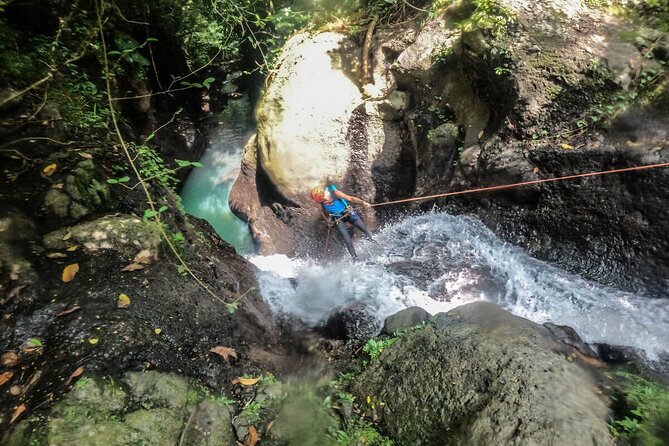
Rappelling is the backbone of this canyon. You’ll do 5 rappels during the experience. Waterfall heights up to 12m are listed, which means you get true vertical drops, not tiny training lines.
This is where the pre-trip training earns its keep. You learn basics and get comfortable with the idea of controlled descent before you’re actually on the rope. The goal is that your body knows what to do when you’re tethered and the water is roaring around you.
Guides like Rama and Jess/Jessi show up in the feedback for being careful, supportive, and patient. That style matters on rope, because calm instructions and a steady pace reduce stress fast.
One practical note: waterfalls can be loud and misty. If you’re sensitive to noise or you don’t like surprise splashes, tell your guide when you start. You may not be able to avoid getting wet, but you can often plan your posture and attention better.
Optional Jumps Up to 7m: How to Decide Without Overthinking
The experience includes 7 jumps (optional). Jump height can be up to 7m, but the “optional” part is key. You can choose what fits your comfort level on the day you’re actually standing at the edge.
This is one of those decisions you shouldn’t make at the last second. If you want to jump, it helps to watch the guides’ setup, listen for instructions, and confirm how the landing works in that specific pool. If you don’t want to jump, you can still enjoy the canyon through rappels, slides, swimming, and waterfall sections.
My advice: treat the jumps as a choose-your-own-adventure. You don’t need to prove anything. If the first jump seems too much, you can skip later ones and still get the full canyon experience.
Trekking Sections in the Jungle: More Than Just Water Action
Between water moments, you’ll do trekking and walking. The canyon description includes a green jungle feel during the trekking sections, and the overall day includes approach and return walks totaling 15 to 20 minutes.
That time is valuable because it breaks up the repeated wet-and-slick rhythm. It also makes the day feel grounded in the place, not only in the rope work.
You’ll also be traveling in a region associated with Balinese waterfalls and gorges in the Tabanan area. Even if you only see fragments, the setting is part of what makes this more than “a canyon activity.” It’s a walk through nature that happens to lead you into waterfalls.
After the Canyon: Shower, Lunch, and Free Photos/Video
Most adventure tours stop when the action stops. This one keeps going in a helpful way. You return to basecamp for a shower with shampoo/soap/towel included. Then you get lunch plus fruits, tea or coffee, and snacks during the day.
There’s also free photos and video. You’ll want this, because canyoning is hard to film well while also staying safe. Having someone capture the moments means you can focus on the experience and not on balancing a camera on your towel like a circus performer.
Meals are described as tasty, with vegetarian or vegan options available. That’s a real comfort for people who don’t want to guess what’s safe to eat after a sweaty morning.
Price and Value: Is $100 a Fair Deal for This Much Included?
At $100 for about 3 hours, the value depends on what’s included—and this trip includes a lot.
You’re getting:
- pickup and drop-off from your accommodation in the specified area
- all canyoning equipment (ICOpro and CE-standard) and technical gear
- supervision by an ICOpro instructor and assistant team
- ICOpro Canyoneer Initiation training
- breakfast, lunch, fruits, tea/coffee/water, and snacks
- shower supplies after the trip
- accident insurance up to USD 10,000 per person
- free photos and video
When a tour includes gear, training, meals, and insurance, the price stops looking like just “an activity fee.” It becomes closer to a full morning package with safety built in. If you’ve ever had to pay extra for a guide, equipment rental, and transport separately, you’ll feel the difference immediately.
What’s not included is also clearly stated: alcohol, personal expenses, bathing suits, sunscreen, and extra camera storage devices. So the smart move is packing a basic water-and-sun kit (see the FAQ and packing notes below).
Who This Canyoning Tour Suits Best
This trip says it’s accessible to everyone, and most of the practical details support that idea: initiation training, supervision, and equipment designed for canyoning.
It’s especially a good fit if you:
- want a first canyoning experience with instruction before rope work
- like variety: rappels plus slides plus swimming
- want optional thrills (jumping) without pressure
- prefer small groups (max 12) for more personal support
- care about getting photos and not dealing with waterlogged camera issues
You might think twice if you:
- hate early mornings and can’t manage a 6:00am start
- have health concerns that make wet, slick surfaces harder
- need strict control over getting completely dry (because you’ll get wet by design)
What to Bring (So the Day Feels Easy)
The tour info is clear about what you should cover yourself. Plan for:
- a bathing suit and a change of clothes for afterward
- sunscreen
- your own camera if you want to film, plus any memory card or storage device
- a small personal item for comfort (phone in a waterproof pouch can help if you bring one)
Also bring a mindset for wet movement. That means comfortable footwear if allowed (the tour provides canyoning shoes, but your general comfort matters), and a willingness to follow instructions fast.
Should You Book Blue Gorge Canyon?
Book it if you want a guided canyoning day that mixes vertical rappels, optional up-to-7m jumps, and plenty of water time inside a gorge with blue-green color and waterfall energy. The included training and supervision are a big part of why it’s a smart pick, especially if you’re new to canyoning.
Skip it if your schedule can’t handle the 6:00am start or if you know weather-dependent outdoor trips don’t work for you. Also, be honest about your comfort with slick rock and water. The trip can be supportive, but it’s still a real natural canyon.
If you’re the type who likes action and appreciates nature, this is a strong match.
FAQ
What time does Blue Gorge Canyon start?
The start time is 6:00am.
How long is the canyoning experience?
Plan for about 3 hours (approx.) total, including time for setup, the canyon descent (about 2.5 hours), and the short approach/return walk (15 to 20 minutes).
Is hotel pickup included?
Yes. Pickup and drop-off from/to accommodation in the specified area is included.
Are the jumps required?
No. The experience includes 7 jumps (optional), and jump height can be up to 7m. If you choose not to jump, you can still do the rappels and slides.
What’s included for safety and gear?
You’ll get all canyoning equipment (listed as ICOpro and CE-standard), technical gear, and supervision by an ICOpro Instructor & assistant team. You also get ICOpro Canyoneer Initiation (CAI) training before entering the canyon.
What happens if weather is poor?
The activity requires good weather. If it’s canceled due to poor weather, you’ll be offered a different date or a full refund.
More Ubud Tours We Rate


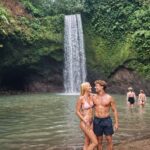

Canyoning the Gorges Near Ubud
Just added around Ubud
- Ubud: White Water Rafting with visit Ubud Monkey Forest
★ 5.0 · 3 reviews - Private Guided Bali Car Charter
★ 5.0 · 3 reviews - East Bali and Lempuyang Temple Tour
★ 5.0 · 3 reviews - Bali Downhill Cycling and White Water Rafting
★ 5.0 · 3 reviews - Cave Tubing Adventure in Ubud
★ 5.0 · 3 reviews
Bali Canyoning Adventures, compared.
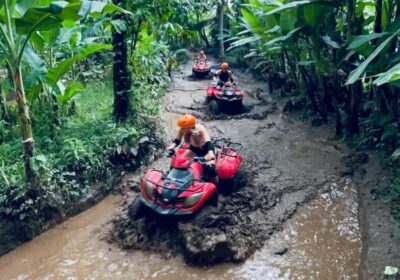 ★ 4.7Gorilla Cave Tunnel ATV & Beji Guwang Hidden CanyonFrom $2741 reviews
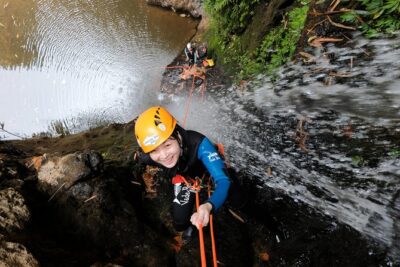 ★ 5.0Beginner canyoning trip in Bali “Egar canyon “From $23036 reviews
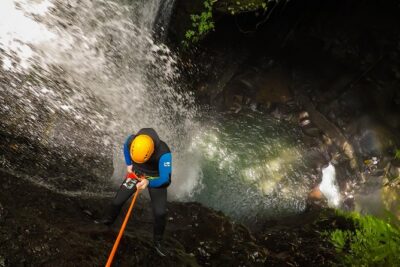 ★ 5.0Intermediate canyoning tour in Bali ” Maboya Canyon “From $031 reviews
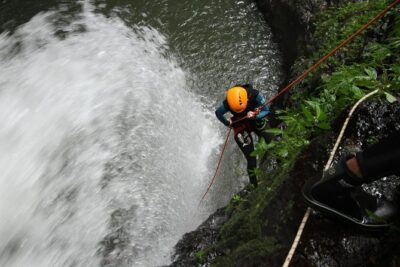 ★ 5.0Intermediate canyoning trip in Bali ” Samba canyon “From $14023 reviews
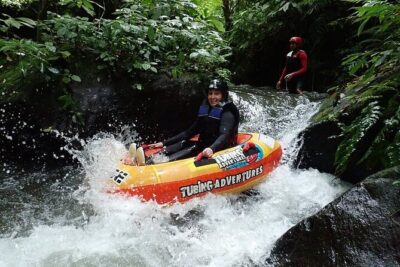 ★ 4.5Bali Canyon Tubing AdventureFrom $23018 reviews
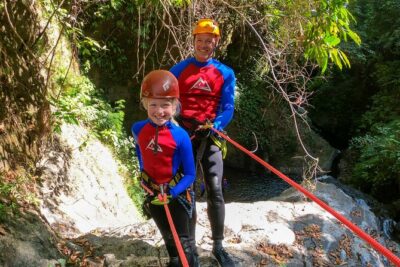 ★ 5.0Canyoning Adventure in Sambangan CanyonFrom $10911 reviews
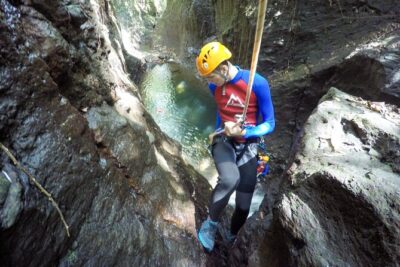 ★ 5.0The Hidden Gorgeous Canyoning | Aling CanyonFrom $15011 reviews
Browse the lists this tour appears in