
Reviewed · UBUD
Bali Traditional Village Experience
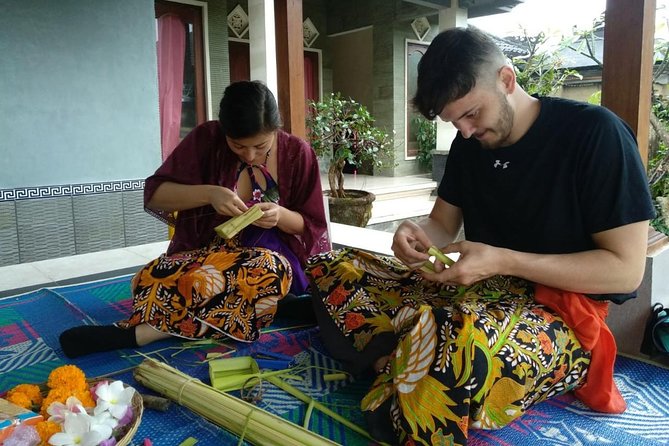
Taro is one of those places where religion and daily life share the same courtyard, and this private experience is built around that. I love how the visit feels rooted in a family compound (not staged in a showroom), and you also get hands-on practice with making Canang Sari offerings and using them in a holy-water blessing. One thing to plan for: you’ll likely need cash for the holy-water temple entrance/donation, and the cleansing portion can get wet.
This is a short, focused outing too. You’ll tour the home temple area, have a traditional morning tea, learn how offerings work in Balinese Hinduism, then dress for the holy-water site (sarong required, sash also mentioned) before you receive the blessing. The drawback is simple: it’s only about 2 hours, so if you’re hoping for a long, slow village wander, this won’t feel that.
Still, for the price and time, it’s an efficient way to see Bali that isn’t just rice fields and photo stops. You’re paying for a guided, private cultural moment—plus included snacks, coffee/tea, and a sarong—rather than paying for big-ticket “attractions.”
In This Review
- Key things I’d mark on your must-do list
- Why Taro village feels more local than the usual Ubud circuit
- The 2-hour flow: tea, offerings, then a holy-water blessing
- Inside the family compound: where the story becomes real
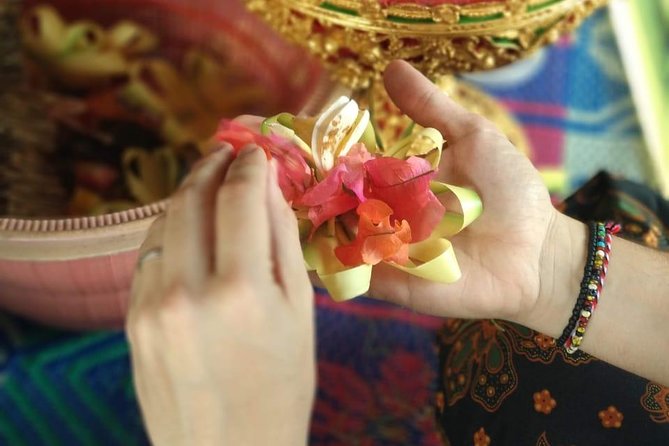
- Making Canang Sari offerings: small items, big meaning
- The holy water site: what to wear and when you might get wet
- Transport from Ubud: private transfers that actually save your time
- Price and value: why $35 can feel fair for this format
- How to get the most out of a short, private cultural visit
- Who this Taro village experience is best for
- Should you book? My quick call
- FAQ
- How long is the Taro Traditional Village Experience?
- Is this tour private?
- What’s included in the price?
- What costs extra at the holy water temple?
- Do I need to bring swimwear?
- Can I cancel and get a full refund?
Key things I’d mark on your must-do list
- Canang Sari offerings, made with guidance and used later in the blessing ceremony
- Morning tea inside the family compound, with an explanation of how the household and family temple work
- Holy water ritual with a required sarong and sash for entering the sacred site
- Two-way private transfers from your Ubud-area address, which saves time and hassle
- Included basics: Bali cookies, coffee and/or tea, and a sarong provided
- Cash needed for the holy water temple entrance/donation (not included)
Not quite the one? These Ubud tours book out fastest.
- All-Inclusive Ubud Private Tour★ 5.0 · 14,344 reviews
- Best of Ubud Full-Day Tour with Jungle Swing★ 5.0 · 8,571 reviews
- Ubud: Monkey Forest, Jungle Swing, Rice Terrace, and Water Temple★ 5.0 · 7,160 reviews
- Ubud: Waterfalls, Water Temple & Rice Terraces Private Tour★ 5.0 · 5,484 reviews
Why Taro village feels more local than the usual Ubud circuit
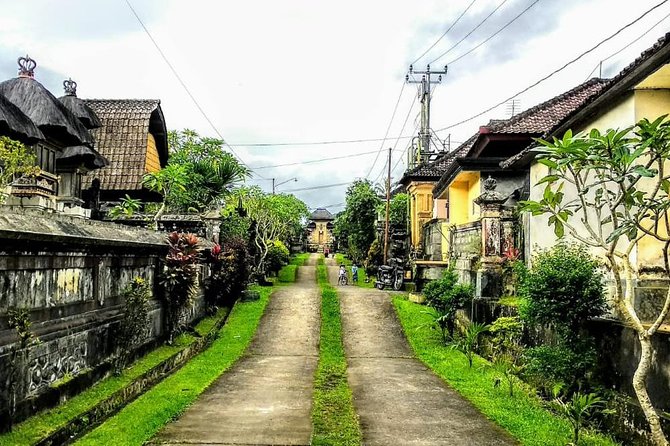
Ubud is packed with culture experiences, but many of them skim the surface. Taro (about 12 miles / 18 km north of Ubud) is different in pace and feel. It’s a traditional Balinese village where daily life is organized around family compounds and household temples, so you’re not just “watching culture”—you’re seeing how it’s practiced.
What makes this experience work is that it’s anchored to a real home base. You’re brought into the compound, shown where families live, and walked through the family temple setting. That kind of context matters. It turns the ritual from a performance into a lived system: you learn what offerings are for, who uses them, and why the holy water blessing is meaningful.
Also, the setting is practical. This isn’t a daylong trek that eats your energy. It’s designed for a half-day window, with everything planned around your time in Taro and your return.
The 2-hour flow: tea, offerings, then a holy-water blessing
This tour runs about 2 hours (approx.), so it’s meant to be efficient. The rhythm is simple: start with pickup, visit the family compound, make offerings, then go to the sacred holy water site.
Here’s the order you can expect:
- Pickup and transfer from your Ubud area
A driver brings you to the village area in/near Taro. You’ll also get two-way private transfers, so you’re not stuck figuring out transport.
- Family compound introduction and morning tea
You’re guided through the compound, including where the families live and how the family temple fits into the day.
- Balinese Hinduism in practice: Canang Sari offerings
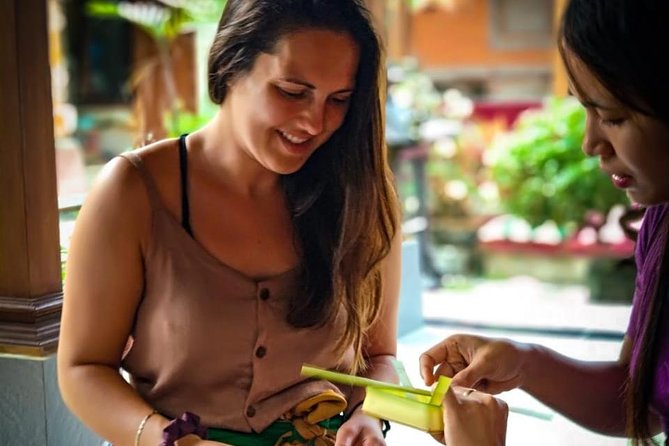
You’ll be taught how to make Canang Sari (Balinese Hindu offerings). Then your earlier-made offerings get used in the blessing ceremony later.
- Holy water temple visit and blessing ritual
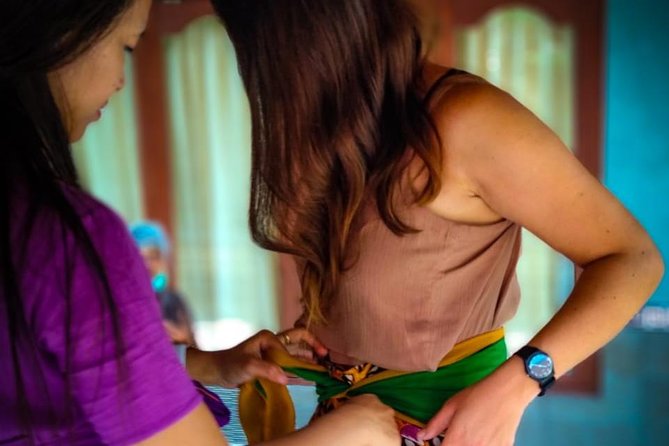
You can change into swimwear or clothing that can get wet if you choose to do the cleansing ritual. You’ll be dressed in a sarong and asked to wear a sash for entering the site. After that, you receive the Hindu blessing using holy water.
- Return back to the meeting point
The activity ends where it started for your transfer flow.
That’s it. No long detours. No “and then we’ll see a thing that isn’t related.” The whole schedule is built to connect your offering-making to the blessing you’ll receive.
Inside the family compound: where the story becomes real
The heart of this experience is the family compound visit. In many Bali cultural tours, the guide gives commentary while you stand at a distance. Here, the tour is structured around moving through a home-space and learning the layout.
You’ll learn where each of the families live, how the family temple area is organized, and what role it plays in daily Hindu practice. The compound isn’t described as a “tour attraction.” It’s explained as a working environment where devotion and household routines overlap.
The morning tea moment is also more than a snack break. It gives you a slower, human pace before hands get involved with crafting offerings. This is one of those details that makes the difference between a quick culture stop and an experience that feels respectful.
If you’re the type who enjoys understanding how people live—how spaces are used, how traditions show up at home—this part is the main reason the tour works.




Making Canang Sari offerings: small items, big meaning
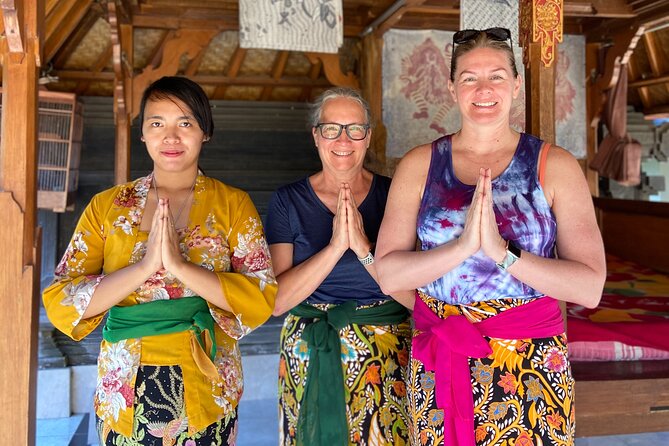
Canang Sari are common in Bali, but most visitors only ever see them as decorations or background. In this tour, you’ll learn the practical “how,” then you’ll see the “why” through the next stage of the ceremony.
You’ll be taught how to make the offerings during your time in the compound. Even if you’re not an arts-and-crafts person, the process is straightforward because you’re guided step-by-step by your host. The goal isn’t perfection. It’s participation—making something that has a place in a real spiritual routine.
Then, later at the holy water site, your offerings are used in your blessing ceremony. That link is what makes the practice feel coherent. You’re not just carrying a souvenir craft. You’re seeing how offerings function inside a Balinese Hindu flow.
One practical note: offerings take focus. If you’re rushing, distracted, or trying to multitask with photos, it’s harder to follow the instructions. Go steady. This is the moment to put your phone away for a bit and actually make something.
The holy water site: what to wear and when you might get wet
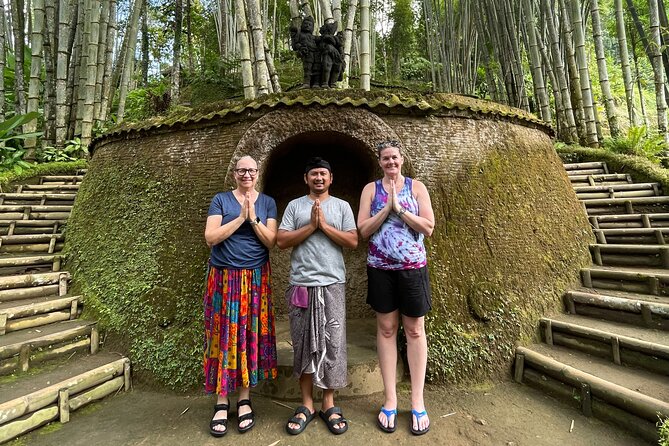
The sacred holy water stop is where the ritual becomes physical. You’ll travel to a holy water site, and then you’ll have a chance to change into swimwear or clothing that may get wet if you choose the cleansing ritual.
That “if you choose” part matters. You can decide based on comfort and your schedule. But either way, you should be ready for a devotional setting where modest clothing and correct attire are taken seriously.
Plan for these elements:
- Sarong requirement for entering the site
- Sash requirement is specifically mentioned as mandatory
- Wet option if you do the cleansing ritual—bring or be ready for appropriate swimwear and a change of clothes
Your earlier offerings carry forward into the blessing ceremony. You’ll receive a Hindu blessing with the holy water. This is not framed as a staged “look at me” moment. It’s presented as a real blessing tied to the offering you made earlier.
If you’re prone to discomfort with humidity, add an extra layer of practical thinking: wear sandals or slip-on shoes you can manage easily around a temple area, and keep a small towel accessible.
Transport from Ubud: private transfers that actually save your time
For a culture visit like this, transportation is the hidden cost in many itineraries. This one removes that stress with 2-way private transfers from your Ubud area address.
That’s a big deal because it keeps your day tight and predictable. You don’t have to navigate local ride-share apps, haggle over prices, or worry about whether you’re cutting it close to the end time.
Also, you’re not crammed into a shared van with multiple stops. This is a private tour/activity, meaning only your group participates. If you like your guide’s attention focused on your questions—why something is done, what an offering is used for—private format helps a lot.
One thing to keep in mind: the tour starts at a listed meeting point near Taro (Delodsema Traditional Village, Tegallalang / Delodsema Road, Taro, Tegallalang, Gianyar Regency). Your transfer pickup from your Ubud address is included, and the tour ends back at the meeting point used for that flow. So when you plan your day, think “pickup in Ubud, return shortly after,” not “you’re wandering back on your own.”
Price and value: why $35 can feel fair for this format
At $35.00 per person, this tour is priced like an approachable cultural experience rather than a luxury ritual. The value comes from what’s included and what you’re gaining.
What you get included:
- Snacks (Bali cookies)
- Coffee and/or tea
- Sarong
- A guided family compound experience focused on offerings and a holy-water blessing
- Two-way private transfers from your Ubud area address
- A mobile ticket
What you don’t get included:
- Cash for entrance ticket/donation at the holy water temple
- Lunch
So you’re not paying $35 just for “someone to talk while you walk.” You’re paying for:
- Private transport
- A guided explanation inside a family compound
- Hands-on offering-making
- A linked ceremony where your offering is used
For couples, friends, or solo travelers who want a short, meaningful cultural touch without building a whole day around driving, it’s a solid deal—especially compared with tours where the main cost goes to long travel time and big group schedules.
Just budget a little extra for the temple donation/entrance fee in cash.
How to get the most out of a short, private cultural visit
When a tour is about 2 hours, there’s no time for “I’ll just watch and figure it out later.” Your best strategy is to show up with a good attitude toward participation.
Here’s how I’d set yourself up:
- Ask one or two questions during the compound visit. The more context you get, the more the ritual clicks later.
- Take your time with the Canang Sari making. This is the skill you carry through to the blessing.
- Decide in advance whether you want the cleansing ritual. If you do, wear or bring swimwear and clothing that can handle getting wet.
- Plan for the attire rules. Sarong is included, but the sash is described as mandatory for entering the holy water site—so follow what your host tells you.
If you’re respectful with pace and clothing, this kind of tour becomes one of those “I understand what I just did” moments, not just a checkbox.
Who this Taro village experience is best for
This tour fits best if you want:
- A private cultural experience rather than a group schedule
- A short outing that still includes real participation (offerings + blessing)
- A deeper look at Balinese Hindu practice through daily family life
- Less time traveling, thanks to two-way private transfers from Ubud
It’s also a good match if you like learning through doing. Making offerings is tactile and memorable. The holy-water segment is practical (and optional for wet participation) but meaningful for anyone curious about how rituals connect people to faith.
If what you want is a long hike, a big scenic route, or a full-day village crawl, you may find the time limit frustrating. This is intentionally compact.
Should you book? My quick call
I’d book this if your goal is a respectful, hands-on Balinese Hindu cultural experience near Ubud—one that uses your offering-making earlier in the morning and carries it into a holy-water blessing.
Book it especially if:
- You value private guidance and want your questions answered
- You don’t want to plan transport on your own
- You’re okay with a short 2-hour schedule and a cash temple donation
Skip it if:
- You need a full meal included (lunch isn’t provided)
- You dislike ritual spaces where proper attire is required
- You want a long, wandering village experience rather than a focused sequence
FAQ
How long is the Taro Traditional Village Experience?
It runs about 2 hours (approx.).
Is this tour private?
Yes. It’s a private tour/activity, so only your group participates.
What’s included in the price?
You get snacks (Bali cookies), coffee and/or tea, a Balinese sarong, and the guided experience. Two-way private transfers from your Ubud area address are also included.
What costs extra at the holy water temple?
The entrance ticket/donation at the holy water temple is not included and needs to be paid in cash.
Do I need to bring swimwear?
You can change into swimwear or clothes that may get wet if you choose to do the cleansing ritual, so having appropriate options is a good idea.
Can I cancel and get a full refund?
Yes, you can cancel up to 24 hours in advance for a full refund.
More Ubud Tours We Rate





Just added around Ubud
- Ubud: White Water Rafting with visit Ubud Monkey Forest
★ 5.0 · 3 reviews - Private Guided Bali Car Charter
★ 5.0 · 3 reviews - East Bali and Lempuyang Temple Tour
★ 5.0 · 3 reviews - Bali Downhill Cycling and White Water Rafting
★ 5.0 · 3 reviews - Cave Tubing Adventure in Ubud
★ 5.0 · 3 reviews