
Reviewed · UBUD WATERFALL TOURS
Bali: Tibumana, Tukad Cepung, Kanto Lampo, & Tegenungan Tour
A waterfall day in Bali is never boring. This one is built around four different waterfall styles—easy jungle access, a cave setting, terraced rocks, and a wide photo-friendly finale. I especially liked how the day feels guided but not rushed, and how the stops each have a totally different vibe. One thing to plan for: there are stairs and some shallow-water walking, and swimming is listed as not allowed.
What really made the experience feel worth it for me is the human touch from the guide. Names I saw firsthand in the guides’ work include Putu and Bintang, and both descriptions match a common theme: helpful pacing, temple and culture context as you travel, and photo help that actually saves time. The trade-off is physical—if your back is touchy (or you’re pregnant), this route may not suit you.
In This Review
- Key Highlights at a Glance
- East Bali Waterfalls: Why This Route Feels Like More Than a Checklist
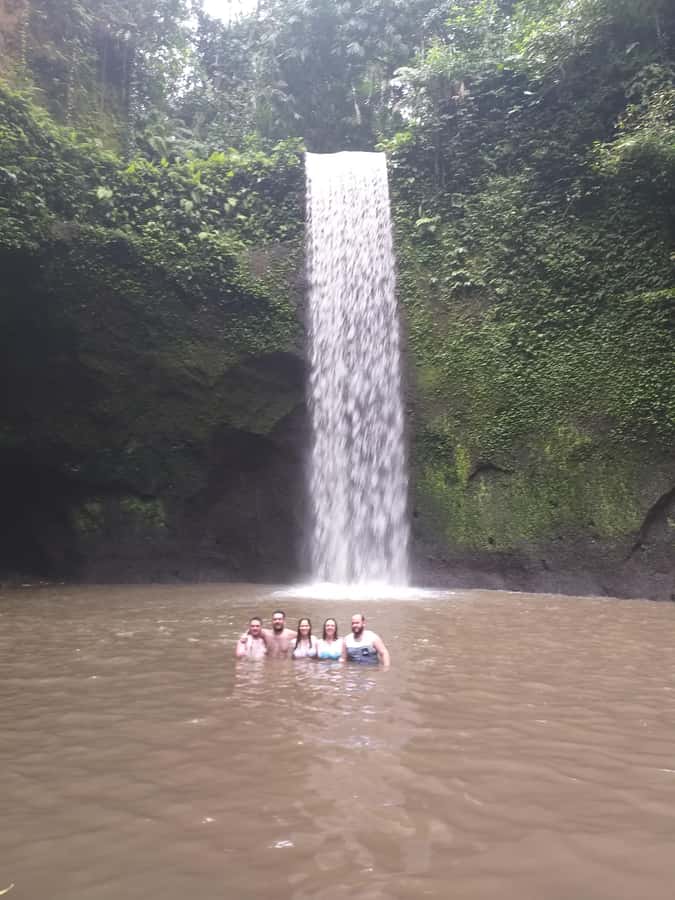
- Tibumana Waterfall: A Calm Start With a Real Nature Walk
- Tukad Cepung Cave Waterfall: The Part That Feels Like a Secret Mission
- Kanto Lampo: Terraced Rock Drops and Photos That Actually Look Like the Real Thing
- Tegenungan Waterfall: A Big View Finale With Time to Linger
- Price and Value: What $30 Covers and Where You Might Feel the Cost
- Pickup and Drop-Off: How the Timing Gets Easier (or Not)
- What You Can and Can’t Do: Sunscreen and Swimming Rules to Know
- Packing Checklist: Shoes, Water, and a Practical Camera Plan
- Lunch Break at a Local Spot: How to Use the Hour Wisely
- Guides: The Difference Between Seeing Waterfalls and Enjoying the Day
- Who Should Choose This Waterfall Tour (and Who Should Skip It)
- Should You Book This Bali Waterfall Tour?
- FAQ
- How long is the Bali waterfall tour?
- How much does it cost?
- Is this tour private?
- What language is the guide?
- Where can you get picked up and dropped off?
- Is entrance to the waterfalls included?
- Are meals included?
- Is swimming allowed at the waterfalls?
- Are there restrictions on sunscreen?
- Can I cancel and get a refund?
Key Highlights at a Glance
- Four waterfall environments in one day, from a cave river walk to terraced rock drops
- Tibumana starts the day with an easy approach and rewarding views
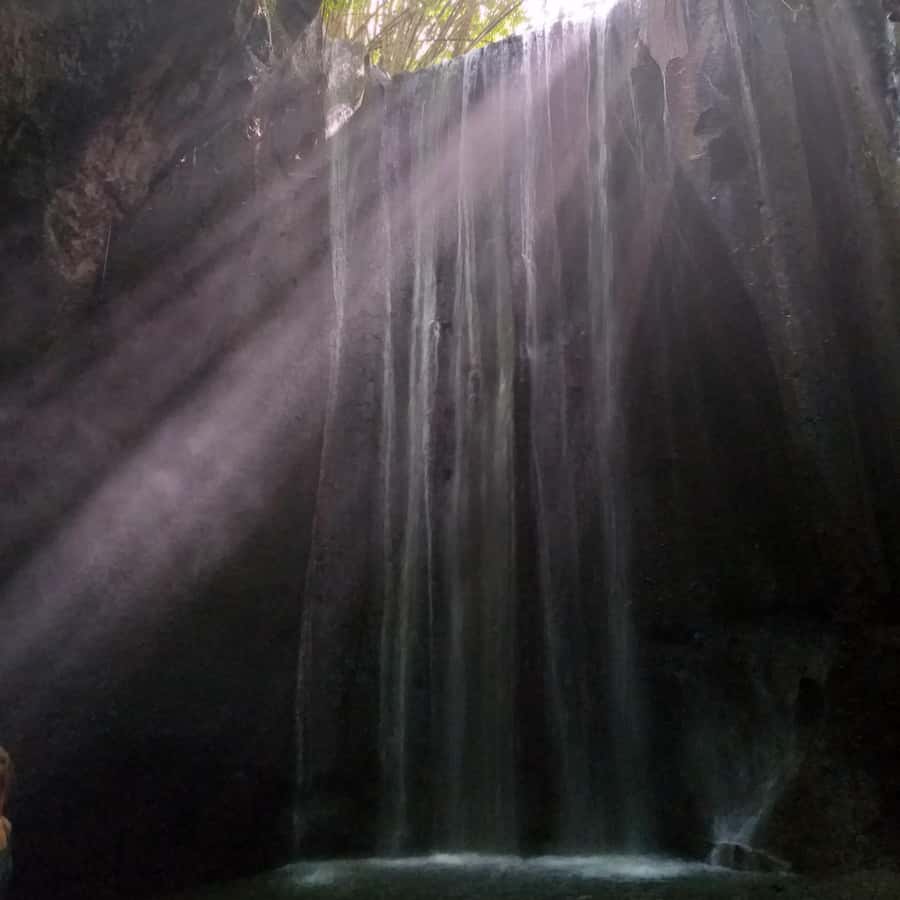
- Tukad Cepung puts you inside a cave where the waterfall frames the scene
- Kanto Lampo delivers dramatic tiers that are great for photos
- Tegenungan is a strong visual finale with space to linger and shoot
East Bali Waterfalls: Why This Route Feels Like More Than a Checklist
This tour works because you’re not just hopping from one pretty spot to another. You’re moving through different ways water behaves in Bali—how it disappears into stone, how it drops over layered rock, and how it spills into places where you can stop, look, and take photos without feeling trapped.
The private format (your group, your timing) matters here. Waterfall crowds change fast, and a good guide can help you pick better angles and move when spots are less crowded. In guides’ comments, I also saw mention of help with getting photos quickly and knowing where to stand for the best shots.
For most people, this is a full day of nature. Expect moderate walking, steps, and being okay getting wet from spray and river-edge water.
Tibumana Waterfall: A Calm Start With a Real Nature Walk
Tibumana is a strong opening stop because it doesn’t throw you into the hardest terrain first. You start with an easy walk down, then you get to the waterfall area where the cooling mist and constant sound of water take over.
If you’re coming from Ubud or the Denpasar/Gianyar areas, this first stop helps you shake off travel energy. It’s also a good place to set your day’s pace. Guides often help with positioning and photos, and in one account, the guide assisted getting visitors down toward the waterfall for better views.
A practical note: even at “easy” waterfalls, Bali’s ground isn’t gym-floor clean. Wear shoes you can trust on damp paths, and be ready for a bit of slick footing near the water.
Tukad Cepung Cave Waterfall: The Part That Feels Like a Secret Mission
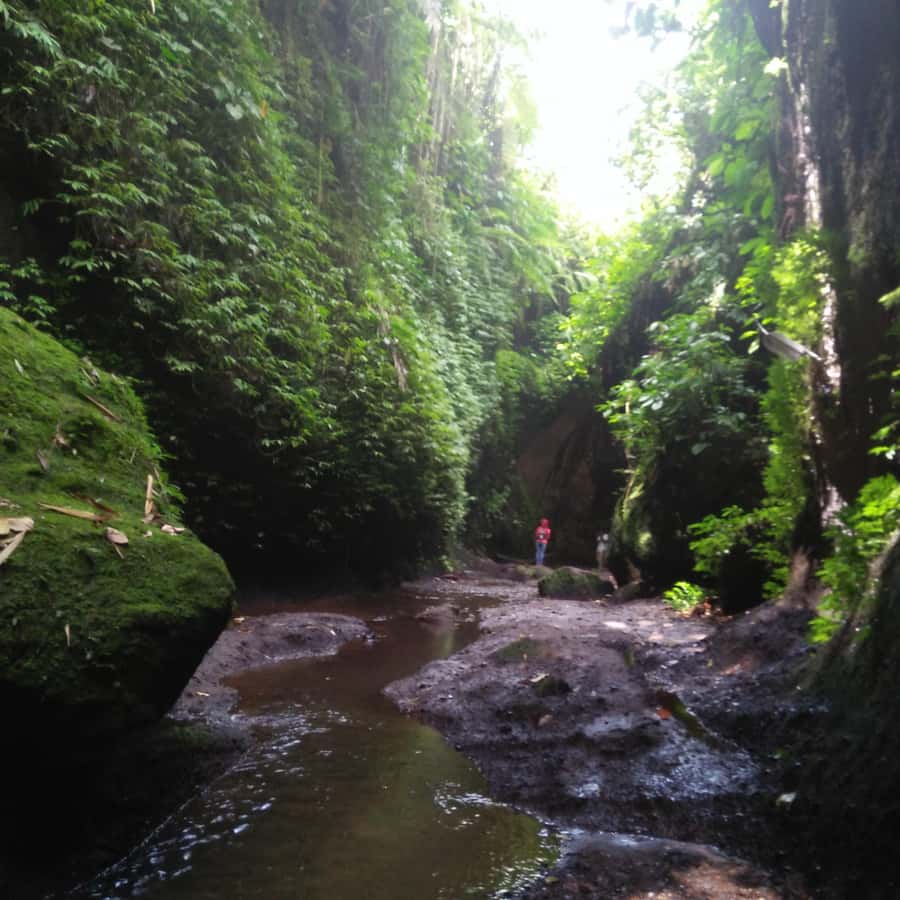
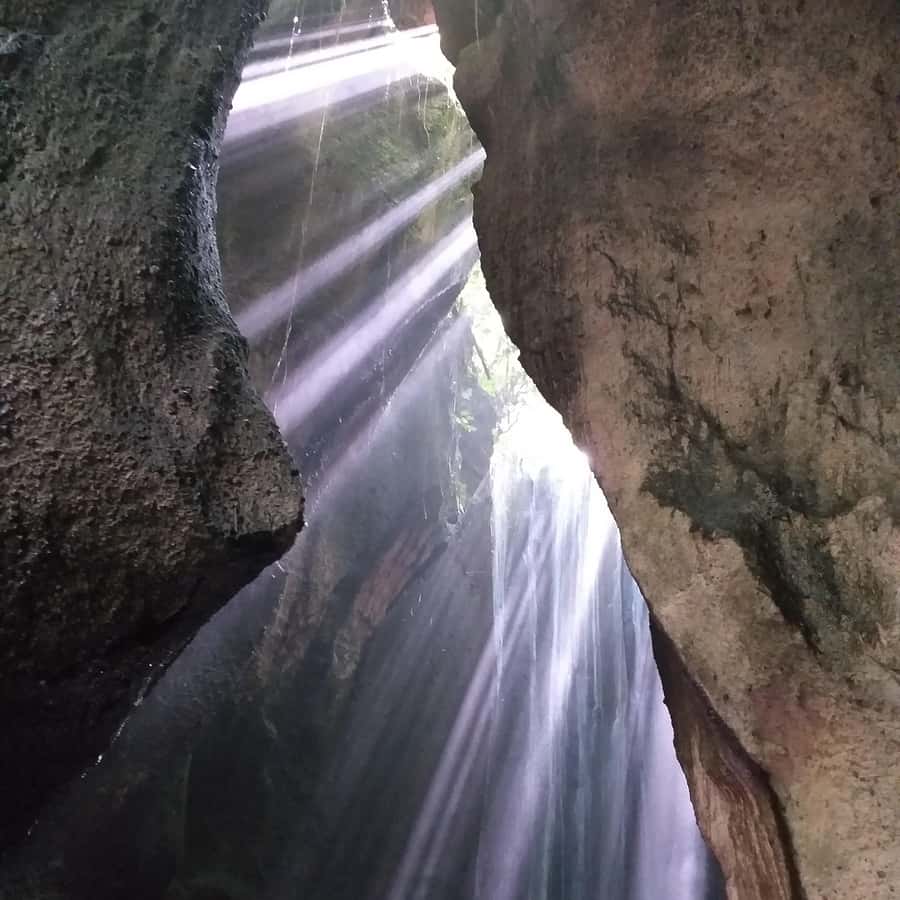
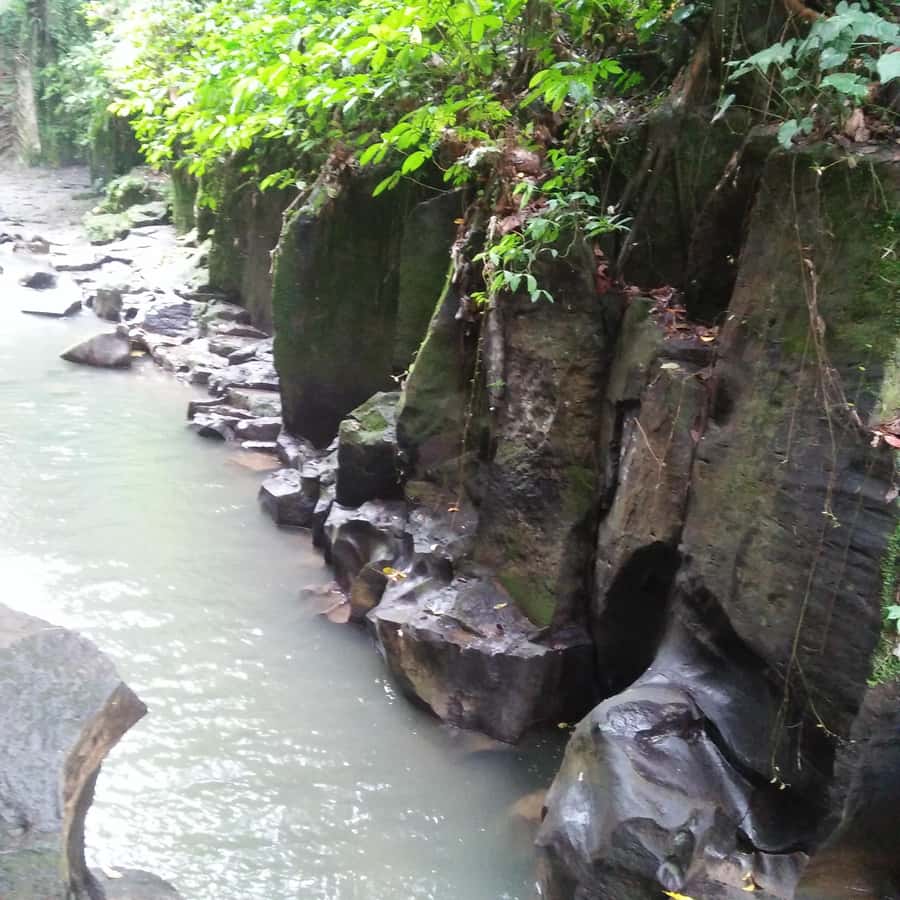
Tukad Cepung is the reason this tour has a wow-factor. The waterfall is located inside a cave, and getting there is half the experience: jungle paths plus stairs lead you toward the river, then you walk along the water with higher rocks on both sides.
Inside the cave, the waterfall has that framed look—water falling where your eyes naturally focus. It turns a standard waterfall visit into more of a scene. And because you’re moving through a cave setting, the light feels different than at open-air falls.
One thing to know before you go: this stop is more about footing and careful steps than quick sightseeing. If you’re not comfortable with stairs, uneven ground, and water-adjacent paths, this can be the most tiring stop.
Also, the tour description emphasizes a shallow-water experience here, so you’ll likely get wet even if you don’t plan to swim.
Kanto Lampo: Terraced Rock Drops and Photos That Actually Look Like the Real Thing
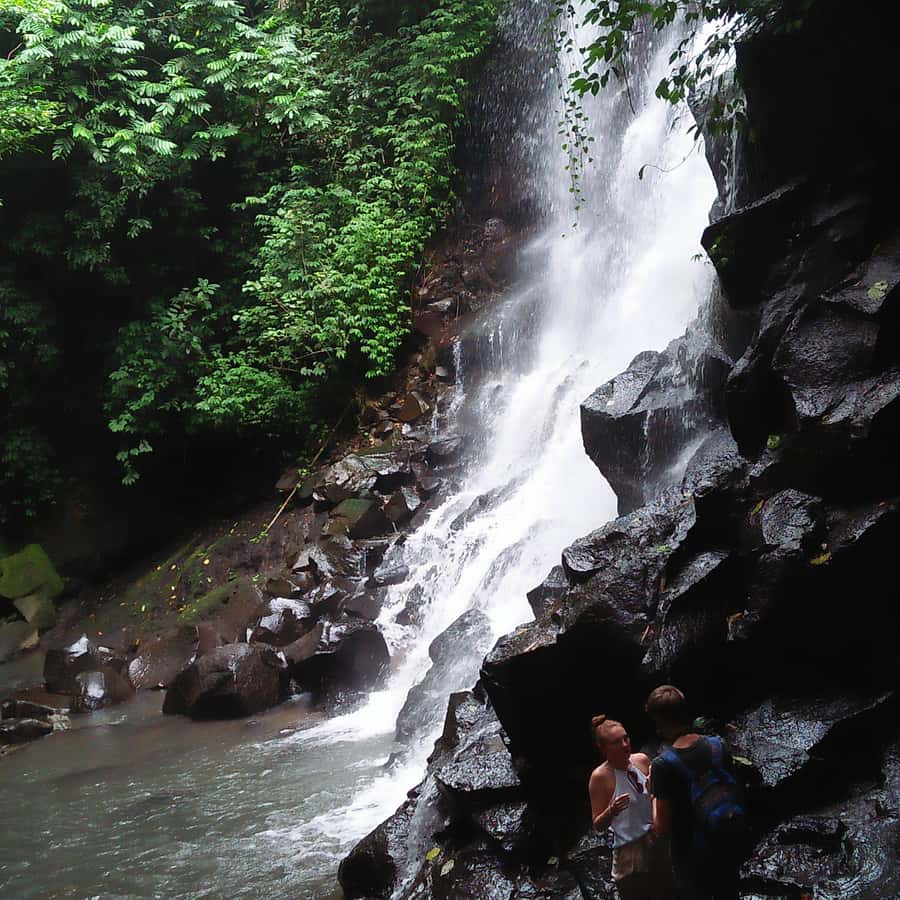
Kanto Lampo is the waterfall stop for people who want dramatic shapes. Here the water cascades over terraced rock formations, creating a layered look that photographs well from multiple angles.
This waterfall also has a “work of art” feel, but it’s not just about aesthetics. The terraced rock structure gives you different viewpoints as you move around. A guide who knows the angles can help you reduce guesswork, especially if you want pictures without standing around too long.
Plan for the physical part too. Accounts mention there can be a lot of steps and shallow-water walking at some of these falls. That’s not a deal-breaker, but it is a reminder that you’re going to earn the view.
Tegenungan Waterfall: A Big View Finale With Time to Linger
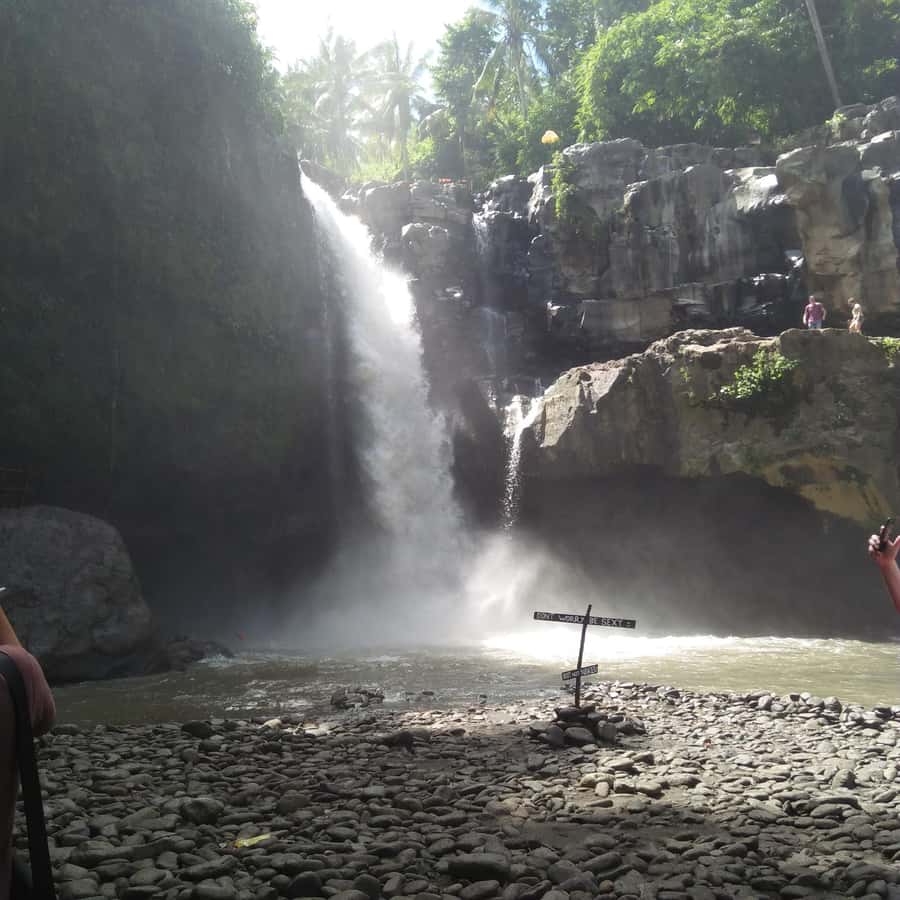
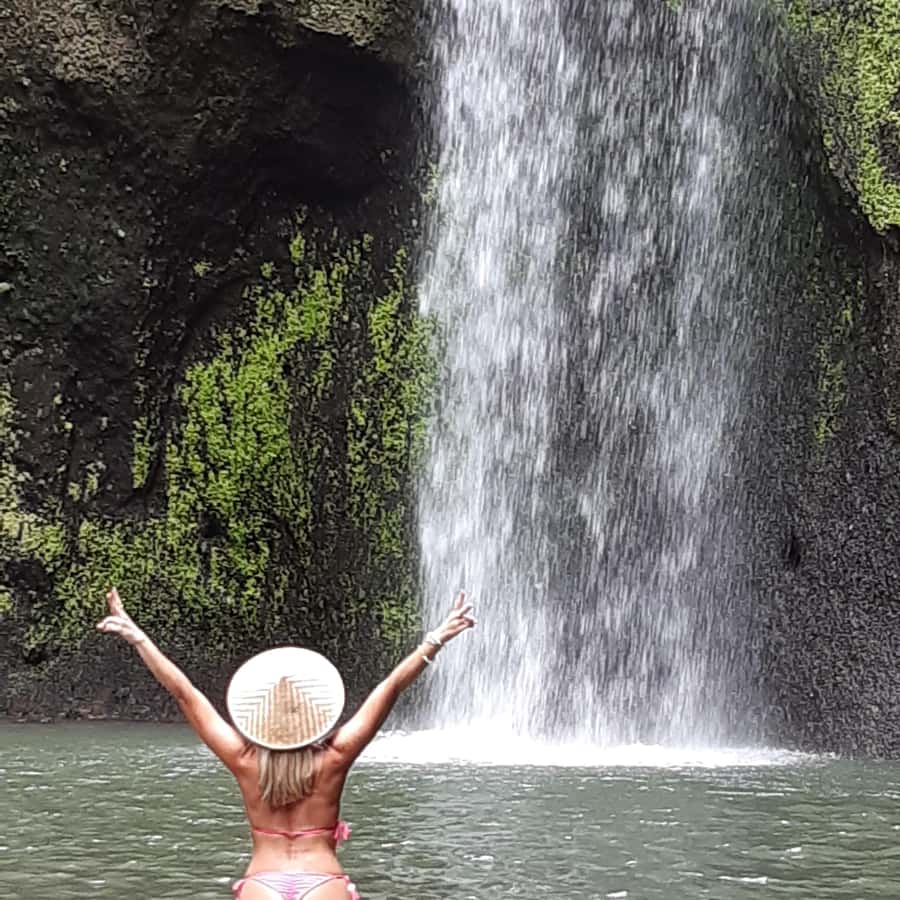
If the earlier stops are about reaching and framing the water, Tegenungan is about enjoying a classic waterfall backdrop. You get a refreshing place to stop, take photos, and soak in the scenery.
Tegenungan is also a good closing stop because it tends to feel more open and straightforward after the cave and terraced rock challenges. That makes it easier to keep the day enjoyable rather than exhausting.
In at least one detailed account, people noted the presence of practical facilities at the waterfalls, including toilets and changing areas. That matters on a long day—especially when the terrain gets wet and you want to reset without stress.
Price and Value: What $30 Covers and Where You Might Feel the Cost
At about $30 per person for an 8-hour private waterfall day, the value is strongest when you count what you’re saving: time, navigation, and guide expertise.
Here’s what’s typically included:
- Hotel pickup and drop-off
- Private tour
- Entrance fees only if you select that option
- Parking
Not included:
- Meals
- Personal expenses
So your true cost depends on two things. First, whether entrance fees are selected for your booking. Second, what you choose to do for meals during the scheduled break. There’s a local restaurant stop built in for about an hour, but meals aren’t covered.
Is it worth it? If you want four separate waterfall environments in one day without dealing with transport logistics on your own, it’s a fair price. If you’re a solo traveler who’s fine driving and routing yourself (and you don’t need guide support for steps and angles), you might compare against DIY options. But for most visitors, the guide help and smooth pickup/drop-off are what make this price feel like a win.
Pickup and Drop-Off: How the Timing Gets Easier (or Not)
Your tour includes pickup and drop-off, with flexible options depending on where you’re staying.
You can often start from these primary areas:
- Ubud
- Denpasar
- Gianyar
And included pickup can extend to places like:
Seminyak, Legian, Kuta, Nusa Dua, Jimbaran, Pecatu, Sanur, Canggu, Denpasar, Benoa Harbour, and the Airport area.
If you’re staying in other regencies (like Tabanan, Negara, Buleleng, Bangli, Klungkung, or Karangasem), an additional fee may apply.
Why this matters: Bali traffic can scramble a day’s rhythm. A pickup that’s close to your hotel helps the whole route feel smoother. And in at least one account, the guide arrived early and communication via WhatsApp was easy—those small things reduce stress.
What You Can and Can’t Do: Sunscreen and Swimming Rules to Know
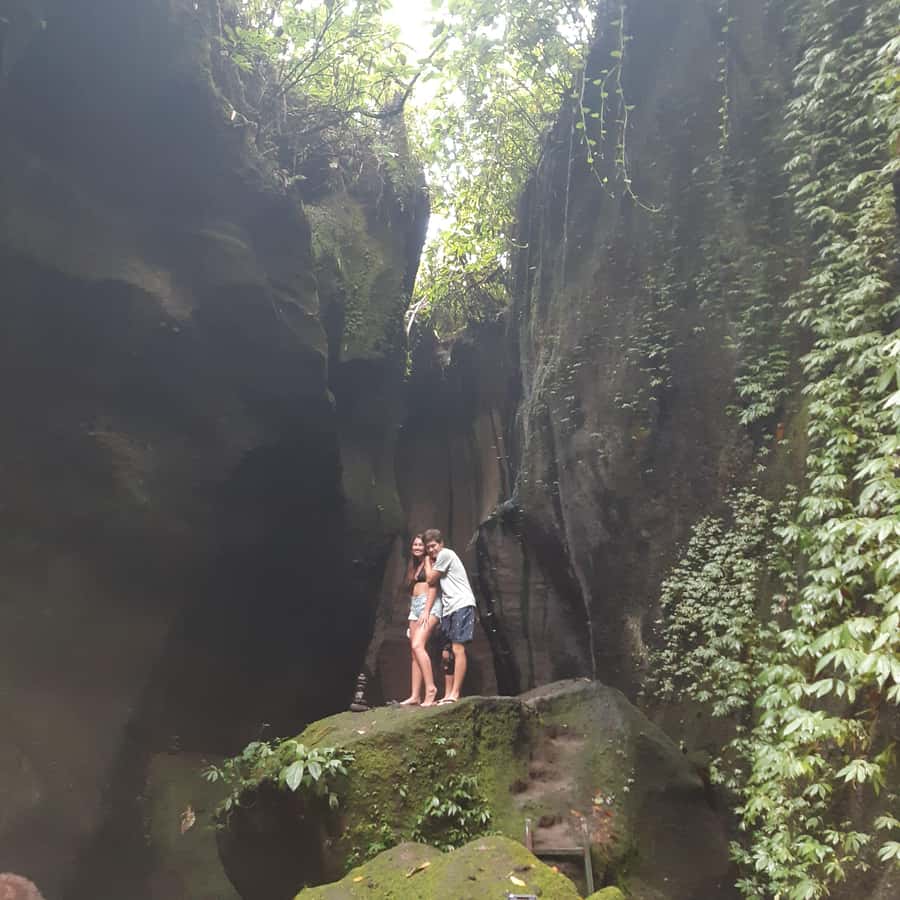
The tour information lists two key restrictions:
- No sunscreen
- Swimming not allowed
This is important to take seriously, even if you hear about water activity at waterfalls. The tour description talks about refreshing water experiences at the stops, and some accounts mention swim moments—but you should follow the operator rules and the guide’s directions on the day.
If your main goal is to cool off, plan to do it through mist, shallow standing, and photos rather than a full swim. Bring a waterproof phone case or waterproof camera setup because you’ll want to capture the water scenes without ruining your gear.
Packing Checklist: Shoes, Water, and a Practical Camera Plan
You’ll have a “wet feet and photo stop” day, not a dry museum day.
Here’s what the tour advice points to:
- Wear comfortable shoes and clothes
- Bring a waterproof camera or phone case
- Bring snacks and water (recommended)
- Expect a moderate amount of walking
My practical take: choose shoes that can handle damp stone and uneven paths. If you pack flip-flops only, you’ll regret it when you hit stairs and slick edges.
Also, since sunscreen isn’t allowed, consider sun protection that isn’t lotion. Long sleeves, a cap/hat, and lightweight layers can help you stay comfortable without breaking the rule.
Lunch Break at a Local Spot: How to Use the Hour Wisely
There’s a local restaurant break of about 1 hour. Meals aren’t included, so you’re choosing what fits your appetite and energy.
One account mentions lunch at D Carik Tibuman, described as a nice sit-over view with rice field surroundings. Whether or not you choose the same place, this kind of pause is valuable because it gives you a chance to recharge your legs and reset your plan for the final waterfall.
Tip: eat something you can digest easily. Your day still includes walking, steps, and lots of time near water, so heavy food can make the last stretch feel harder.
Guides: The Difference Between Seeing Waterfalls and Enjoying the Day
A big reason this tour scores high is the guiding style. I saw multiple mentions of guides being attentive and informative, including cultural context about temples, religion, and Bali traditions.
Two guide names came up repeatedly in accounts:
- Putu
- Bintang
What you should expect in a good day like this:
- The guide helps with pacing so you don’t burn out early
- They assist with getting down toward good viewing spots
- They take or help with photos and suggest good angles
- They can adjust if a waterfall is not accessible for the day (one account notes the guide swapped in another lovely option when a cascade was closed)
Even if you’re mostly there for the waterfalls, this kind of context turns a walk into something you remember.
Who Should Choose This Waterfall Tour (and Who Should Skip It)
This is a great fit if you:
- Want a one-day circuit of four distinct waterfall settings
- Are comfortable with moderate walking and steps
- Like being guided through viewpoints and photo spots
- Enjoy nature plus a bit of cultural explanation during transfers
It’s not the best fit if you:
- Are pregnant
- Have back problems
Also, if you hate stairs or you’re not steady on wet, uneven ground, Tukad Cepung and the other stepped stops may feel like too much.
Should You Book This Bali Waterfall Tour?
Book it if you want an easy, organized way to see east Bali’s waterfalls in one day, without juggling routes. The value is strongest with private pickup, an English-speaking live guide, and the chance to experience different waterfall styles rather than repeating the same type of scenery.
Don’t book it if you’re looking for a totally chill day with no stairs or water-adjacent walking. This tour is built around getting to the good spots, and that means steps, uneven paths, and getting wet.
If you do book, come ready: good shoes, waterproof phone/camera, snacks and water, and a plan to skip sunscreen. Follow the guide on the day for what’s possible around the water.
FAQ
How long is the Bali waterfall tour?
The duration is listed as 8 hours.
How much does it cost?
It’s listed at $30 per person.
Is this tour private?
Yes, a private group is available.
What language is the guide?
The live tour guide is listed as English.
Where can you get picked up and dropped off?
Pickup options include Ubud, Denpasar, and Gianyar. Hotel pickup is also included for areas such as Seminyak, Legian, Kuta, Nusa Dua, Jimbaran, Pecatu, Sanur, Canggu, Denpasar, Benoa Harbour, and the Airport area. Drop-off is available at Ubud, Gianyar, and Denpasar.
Is entrance to the waterfalls included?
Entrance fees are included only if the option is selected.
Are meals included?
No. Meals are not included, though there is a local restaurant break of about 1 hour.
Is swimming allowed at the waterfalls?
Swimming is listed as not allowed. You should follow the guide’s directions on the day.
Are there restrictions on sunscreen?
Yes. Sunscreen is listed as not allowed.
Can I cancel and get a refund?
Yes. Free cancellation is available up to 24 hours in advance for a full refund.
Ubud Waterfall Tours, compared.
 ★ 5.0Waterfalls, Water Temple & Rice Terraces Private TourFrom $295,484 reviews
 ★ 5.0Best of Bali Waterfalls: Tibumana, Tukad Cepung and TegenunganFrom $533,047 reviews
 ★ 5.0Full-Day Rice Terrace, Monkey Forest & WaterfallFrom $232,634 reviews
 ★ 5.0ATV Quad Bike Through Tunnel and Waterfall in BaliFrom $332,098 reviews
 ★ 5.0ATV Quad Bike Bali with Waterfall Gorilla Cave and LunchFrom $321,925 reviews
 ★ 4.7Quad ATV Waterfalls & Barong CavesFrom $49891 reviews
 ★ 4.8Taman Beji Griya Waterfall: Holy Bathing/Soul Retreat RitualFrom $29634 reviews
 ★ 5.0Bali ATV Quad Bike Through Tunnel, Waterfall, White Water RaftingFrom $26610 reviews
Browse the lists this tour appears in