
Reviewed · PRIVATE
Bali Private Mystic Death Tour In Trunyan
Death rituals in Bali are surprisingly thoughtful. On this private mystic death tour out of Ubud, you’ll see how Balinese spirituality treats death as part of an ongoing cycle—more like a transition than an ending. The day ties together temples, a very unusual cemetery, and a meaningful nature-based view of the afterlife.
I love the way the route builds from one sacred idea to the next. Kehen Temple sets the spiritual tone with its fire symbolism, then Trunyan Village changes the perspective completely with open-air decomposition instead of burial. I also like that you’re not just driving past sights; you get a live guide who helps you understand the logic and the respect behind what you’re seeing.
One consideration: this tour centers on death ceremonies and cemetery customs. If you’re easily unsettled by morbid themes—or you prefer purely upbeat sightseeing—this might feel heavy. Also, it’s a full day with a fair amount of road time, so plan for fatigue, especially if you’re not based near Ubud.
In This Review
- Key things to know before you go
- A mystic death tour where spirituality meets nature
- Kehen Temple and the fire-of-God details you’ll spot right away
- Trunyan Village Skull Island cemetery: how the ritual changes your perspective
- Bayung Gede placenta rites: sacred tradition you won’t see on typical Bali days
- Lake Batur views with a boat ticket and volcano energy
- Price and value: what $79 gets you in a private full-day format
- Transportation, timing, and the driving reality from Ubud
- The guides: why Tagu, Ade, and Gede matter to the whole day
- Who this tour suits best (and who should think twice)
- Should you book the Bali Private Mystic Death Tour in Trunyan?
- FAQ
- Where is the meeting point for the Bali Private Mystic Death Tour in Trunyan?
- Is pickup from my hotel included?
- How long does the tour take?
- Is this tour private or shared?
- What are the main stops on the itinerary?
- Are entrance tickets included in the price?
- What about lunch?
- Is a sarong required, and is it provided?
- What’s included besides entrance tickets?
- Is free cancellation available?
Key things to know before you go
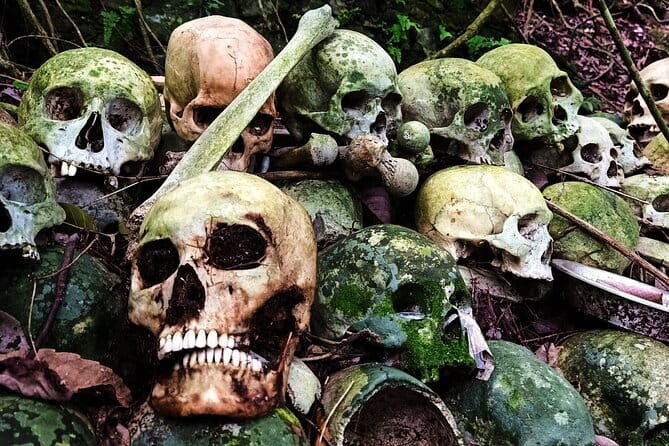
- Trunyan Village is the main event: bodies are left to decompose on land, which is why locals often call it Skull Island.
- Kehen Temple brings the fire-of-God symbolism first: you’ll get context before you face the cemetery side of the ritual.
- Bayung Gede focuses on placenta rites: you’ll see how another life-stage is handled with the same nature-first mindset.
- Lake Batur includes a boat ticket: part of the payoff is the water-and-volcano sightlines.
- The guide can make or break the day: past guides like Tagu, Ade, and Gede were praised for making complex meaning feel clear and respectful.
Other Ubud tours and experiences to line up next
- All-Inclusive Ubud Private Tour★ 5.0 · 14,344 reviews
- Ubud: Waterfalls, Water Temple & Rice Terraces Private Tour★ 5.0 · 5,484 reviews
- Best of Ubud 1-Day Private Tour★ 5.0 · 4,451 reviews
- Bali Private Car Hire with Driver★ 5.0 · 2,061 reviews
A mystic death tour where spirituality meets nature
This is not a tour about shock value. The tone is spiritual, and the big idea is simple: Bali treats death as something that still matters within a sacred rhythm. You’ll hear how families and communities balance—or give back—to nature through ceremony, rather than treating death as a sealed-off event.
What I like about this format is the flow. You start with a major temple (Kehen), move to the cemetery (Trunyan), then shift to Bayung Gede and its placenta custom. By the time you reach Lake Batur, you’re seeing the day as one theme: life, death, and what comes after are connected.
You’re also likely to notice that the tour uses practical pacing. The stops are long enough to look carefully and ask questions, but not so long that you feel trapped. You’ll still have time to take in the views around Mount Batur and the lake without the day turning into a blur.
Kehen Temple and the fire-of-God details you’ll spot right away
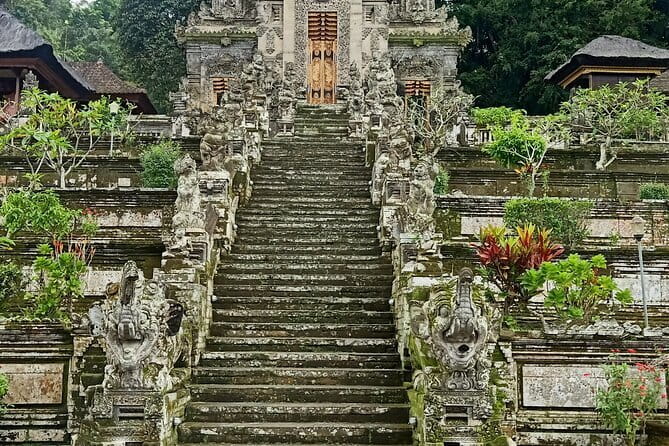
Kehen Temple is your first serious stop, and it’s a strong opener. It’s described as one of the older temples in Bangli Regency, and it’s tied to the fire of God symbolism. That matters, because it frames the rest of the day with a spiritual lens instead of just a checklist of locations.
Plan for about 1 hour 30 minutes here, with the admission ticket included. This isn’t just about walking in and out. Look up around the main structures and banyan tree setting—there’s a specific detail you may notice: a wooden bell located on the banyan trees. It’s the kind of thing that feels small until your guide points out why it’s there and what it represents.
If you’re concerned about what to wear at temples, don’t overthink it. A sarong at temple is included, which is helpful for visitors who don’t want to scramble for the right clothing. You’ll also have the buffer of a live guide, who can tell you what’s expected in each sacred area.
Potential drawback: temples are often best enjoyed with slower attention, and that requires patience. If you’re the type who wants rapid photos and quick exits, Kehen may feel a bit more reflective than you planned.
Trunyan Village Skull Island cemetery: how the ritual changes your perspective
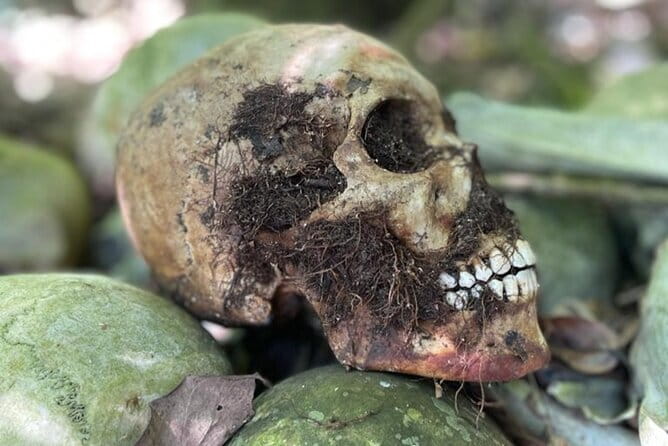
Next comes the part most people are curious about: Trunyan Cemetery in Trunyan Village. This area is often called Skull Island because of its open cemeteries. Instead of burying bodies, the practice leaves them to decompose on land in a way that’s part of local spiritual belief.
You’ll spend about 2 hours here, and the admission ticket is included. The tour’s framing is what makes the difference. Rather than treating the cemetery like an attraction, you’ll be guided to understand it as an isolation village approach to death, where nature and ceremony are linked.
Here’s what to expect in practical terms. You’ll likely spend time looking at the area and absorbing how the community handles burial customs visually. It can feel unfamiliar, especially if you’re used to sealed graves or cremation-only practices. Having a guide matters a lot here, because it’s easy to misread what you’re seeing when you don’t have the spiritual context.
Also, this is one of those moments where your behavior matters. Keep your tone respectful. Be mindful with photography—if there are moments where the guide asks for space or quiet, follow their lead. The tour is built around respect, not spectacle.
Potential drawback: if you’re very squeamish about death-related sites, you might find this stop the hardest. Even though the ceremony focus is spiritual, you’re still visiting a cemetery setting, and your comfort level is your only real warning sign.



Bayung Gede placenta rites: sacred tradition you won’t see on typical Bali days
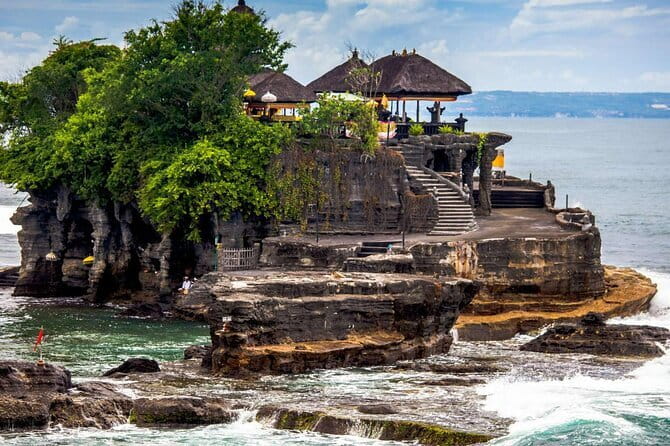
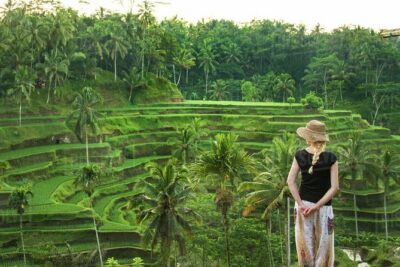
After Trunyan, the tour pivots to Bayung Gede Village, which shifts the theme from death to another life-stage: placenta handling. The key point here is cultural practice. Bayung Gede has its own unique culture related to treating the placenta by hanging it at trees.
You’ll have about 1 hour at this stop. Admission is free, which is a nice touch for value. The reason this stop works in the middle of the day is that it reminds you the tour is about a worldview, not just one ceremony.
I find this kind of stop unusually educational because it expands what the term ritual means. It’s not only about major ceremonies after death. It’s about how the community understands what nature is doing throughout life. The placenta tradition also underlines that the tour’s theme is about giving back and balancing, not about fear or avoidance.
Potential drawback: if you’re only interested in the headline cemetery moment, Bayung Gede can feel quieter. But that’s the point. It helps the day feel coherent.
Lake Batur views with a boat ticket and volcano energy
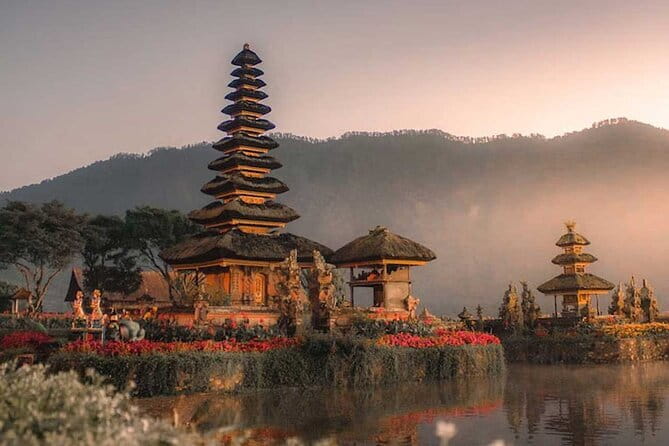
Then you head to the payoff landscape moment—Lake Batur (Danau Batur). This stop is about scenery, breathing space, and letting the spiritual day settle into something calmer. You’ll spend about 2 hours here, and the admission ticket is included.
The view element is specific: you’ll see Mount Batur and Lake Batur around 1,717 meters. Even if you’ve seen volcanic lakes elsewhere, Bali’s scale and the way the day’s humidity sits in the air can make this feel different. The tour also includes a boat ticket, so you’re not stuck looking only from the shoreline.
One practical tip: if you’re given time options while you’re at the lake, consider asking your guide about hot springs near the area. In guide-led experiences, that’s often treated as a perfect add-on way to round out the day, especially after a cemetery-focused morning.
Potential drawback: Lake stops are weather-sensitive. If clouds or rain roll in, the volcano view may be less dramatic. Still, the lake setting can remain pleasant, and the boat portion keeps the time moving.
Price and value: what $79 gets you in a private full-day format
At $79 per person, the math looks better than it first seems—especially because this is a private tour with a live guide and a full set of included costs.
Here’s what’s covered in the price:
- Air-conditioned vehicle
- Parking fees
- Bottled water
- Entrance tickets
- Live tour guide
- Boat ticket
- Sarong at temple
What’s not included is lunch, so budget for food on your own.
Why this feels like good value: many Ubud day trips stack costs that you only discover later—admissions, transport, sometimes even boat or temple requirements. This one packages those basics so you can focus on the experience. And because you’re not sharing with strangers, you can ask questions more easily, especially at stops like Trunyan where context really changes how you interpret what you’re seeing.
One more value clue: the tour is typically booked about 31 days in advance on average. That suggests people find it meaningful enough to plan ahead, not just a last-minute impulse.
If you’re traveling as a couple or a small group who wants a custom-paced day, this price can be a solid deal. If you’re going solo on a tight budget and don’t want private guiding, you might find cheaper group options elsewhere—but you’ll likely lose some of the respect-and-context benefits that make this day work.
Transportation, timing, and the driving reality from Ubud
The day starts at Ubud Palace and ends back at the same meeting point. Pickup is offered, and the tour runs about 6 to 8 hours.
The driving is a real factor. One review highlight called out that coming from the south can mean a lot of time on the road—so if your hotel is far outside Ubud, treat this as a long-day commitment. Even from Ubud, you’ll still feel the “day trip” rhythm: temple, cemetery, village, lake, repeat. Bring the mindset that you’re doing a story in chapters, not a theme-park sprint.
Also, keep in mind the itinerary includes a mix of sacred sites and nature viewpoints. That’s good for variety, but it means you’ll want to stay hydrated and keep your energy up. Bottled water is included, but you’ll still benefit from sunscreen, a hat, and comfortable shoes.
The guides: why Tagu, Ade, and Gede matter to the whole day

The strongest praise from past experiences isn’t just about the destinations. It’s about the guiding style. Named guides like Tagu, Ade, and Gede came up for a reason: they help you interpret what you’re seeing without making it feel like a lecture.
- Tagu was described as chill, supportive, and intelligent—exactly the vibe that helps when a topic is intense.
- Ade stood out for being friendly and knowledgeable, and his approach was treated as a highlight of the trip.
- Gede earned praise for being an amazing story teller and for carrying the kind of explanations that help ancient Bali feel real, not distant.
What you should take from that, even if you don’t get one of those guides: pick a tour like this specifically because you want interpretation. A mystic death theme can become awkward fast if the guide can’t connect it to everyday understanding. Here, the guiding focus seems to be the difference between seeing sites and understanding meaning.
Who this tour suits best (and who should think twice)
This experience is ideal if you:
- Want a deeper cultural and spiritual day instead of another beach-and-temple loop
- Feel curious about how Balinese communities relate to nature, ceremony, and life stages
- Prefer private guiding so you can ask questions at the cemetery stop without rushing
You might think twice if you:
- Are strongly uncomfortable with death-related settings, cemetery customs, or anything emotionally heavy
- Want a purely light, casual itinerary with no serious ceremony focus
- Don’t have the energy for a long day with multiple travel segments
Should you book the Bali Private Mystic Death Tour in Trunyan?
If your Bali trip includes even one day where you want meaning over selfies, I’d book it. Kehen Temple, Trunyan Cemetery, Bayung Gede, and Lake Batur create a full theme arc, and the included guide time is what makes it work.
I’d also book if you value practical value—because entrance fees, the boat ticket, temple sarong, transport, and bottled water are already in the package. The only obvious gap is lunch, so you’ll want to plan your meal either before or after.
Choose it with care if you’re sensitive to death ceremonies. But if you can handle that theme with a respectful mindset, this tour offers one of the more distinctive windows into Balinese spirituality—and it’s the kind of day that stays with you long after the photos fade.
FAQ
Where is the meeting point for the Bali Private Mystic Death Tour in Trunyan?
The tour starts at Ubud Palace (Ubud, Kecamatan Ubud, Kabupaten Gianyar, Bali 80571, Indonesia) and ends back at the same meeting point.
Is pickup from my hotel included?
Pickup is offered. You’ll start from the Ubud Palace meeting point, and pickup details are handled as part of the tour.
How long does the tour take?
The duration is approximately 6 to 8 hours.
Is this tour private or shared?
This is a private tour/activity, meaning only your group participates.
What are the main stops on the itinerary?
The tour includes Kehen Temple, Trunyan Cemetery in Trunyan Village, Bayung Gede Village, and Lake Batur.
Are entrance tickets included in the price?
Yes. Ticket entrances are included for the listed stops.
What about lunch?
Lunch is not included.
Is a sarong required, and is it provided?
Sarong at temple is included.
What’s included besides entrance tickets?
The tour includes bottled water, an air-conditioned vehicle, parking fees, a live tour guide, and a boat ticket.
Is free cancellation available?
Yes. Free cancellation is available up to 24 hours in advance for a full refund.
Private Days Out in Ubud




More to See and Do in Ubud


More Ubud Tours We Rate

Just added around Ubud
- Ubud: White Water Rafting with visit Ubud Monkey Forest
★ 5.0 · 3 reviews - Private Guided Bali Car Charter
★ 5.0 · 3 reviews - East Bali and Lempuyang Temple Tour
★ 5.0 · 3 reviews - Bali Downhill Cycling and White Water Rafting
★ 5.0 · 3 reviews - Cave Tubing Adventure in Ubud
★ 5.0 · 3 reviews
Private, compared.
 ★ 5.0All-Inclusive Ubud Private TourFrom $10014,344 reviews
 ★ 5.0Waterfalls, Water Temple & Rice Terraces Private TourFrom $295,484 reviews
 ★ 5.0Best of Ubud 1-Day Private TourFrom $544,451 reviews
 ★ 5.0Bali Private Car Hire with DriverFrom $252,061 reviews
 ★ 5.0Best of Ubud Attractions: Private All-Inclusive TourFrom $571,150 reviews
 ★ 5.0Private Day Tour: The Highlight of UbudFrom $681,136 reviews
 ★ 5.0Discover The Best of Ubud: All-Inclusive and Private Guided TourFrom $30909 reviews
 ★ 5.0Mount Batur Sunrise Trekking Private All InclusiveFrom $21906 reviews